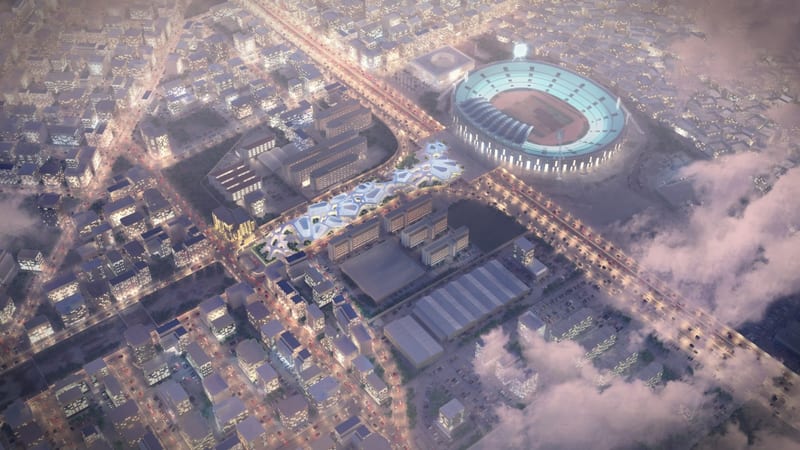

Post by Ali Morad
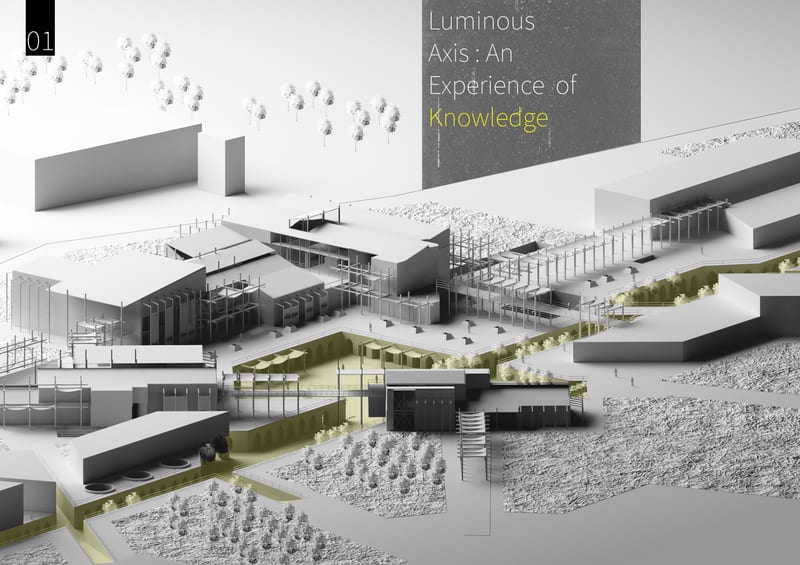
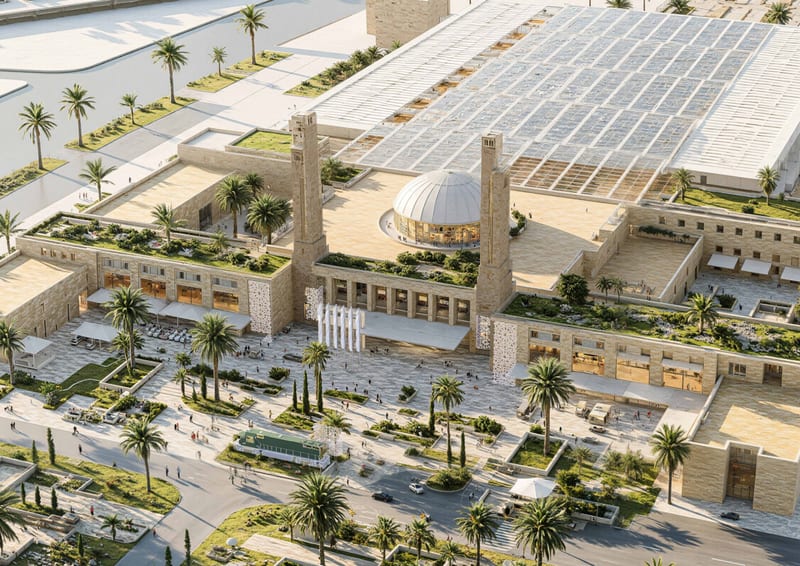
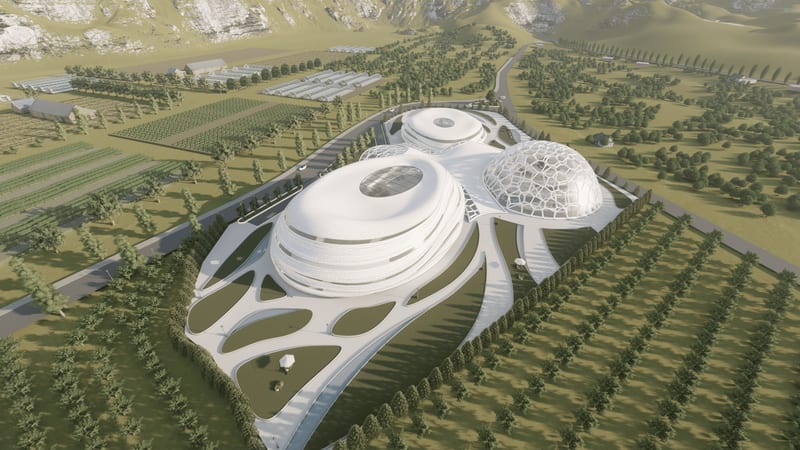
Luminous Axis: An Experience of Knowledge proposes a sustainable and experiential campus for Beirut Arab University in the Beqaa region of Lebanon. The main goal of the project is to create an educational environment where architecture actively enhances learning through light, movement, and spatial clarity. The project stands out by transforming a simple planning element—the axis—into both a functional and symbolic feature that represents the journey of knowledge. Located in the Beqaa Valley, the site benefits from open landscapes, strong sunlight, and a relatively calm environment compared to the dense urban fabric of Beirut, allowing the design to respond to climate and nature while establishing a distinct academic identity.
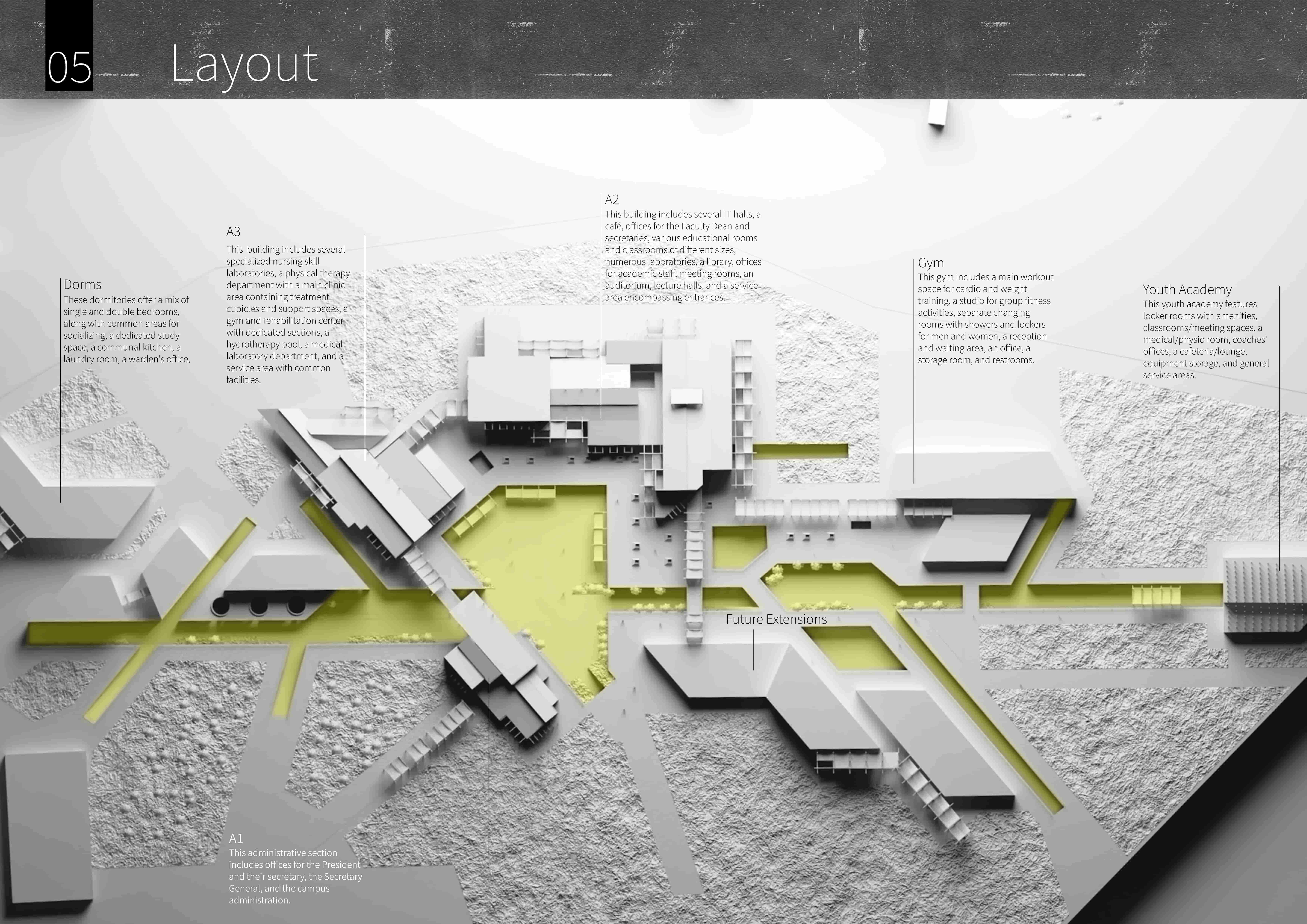
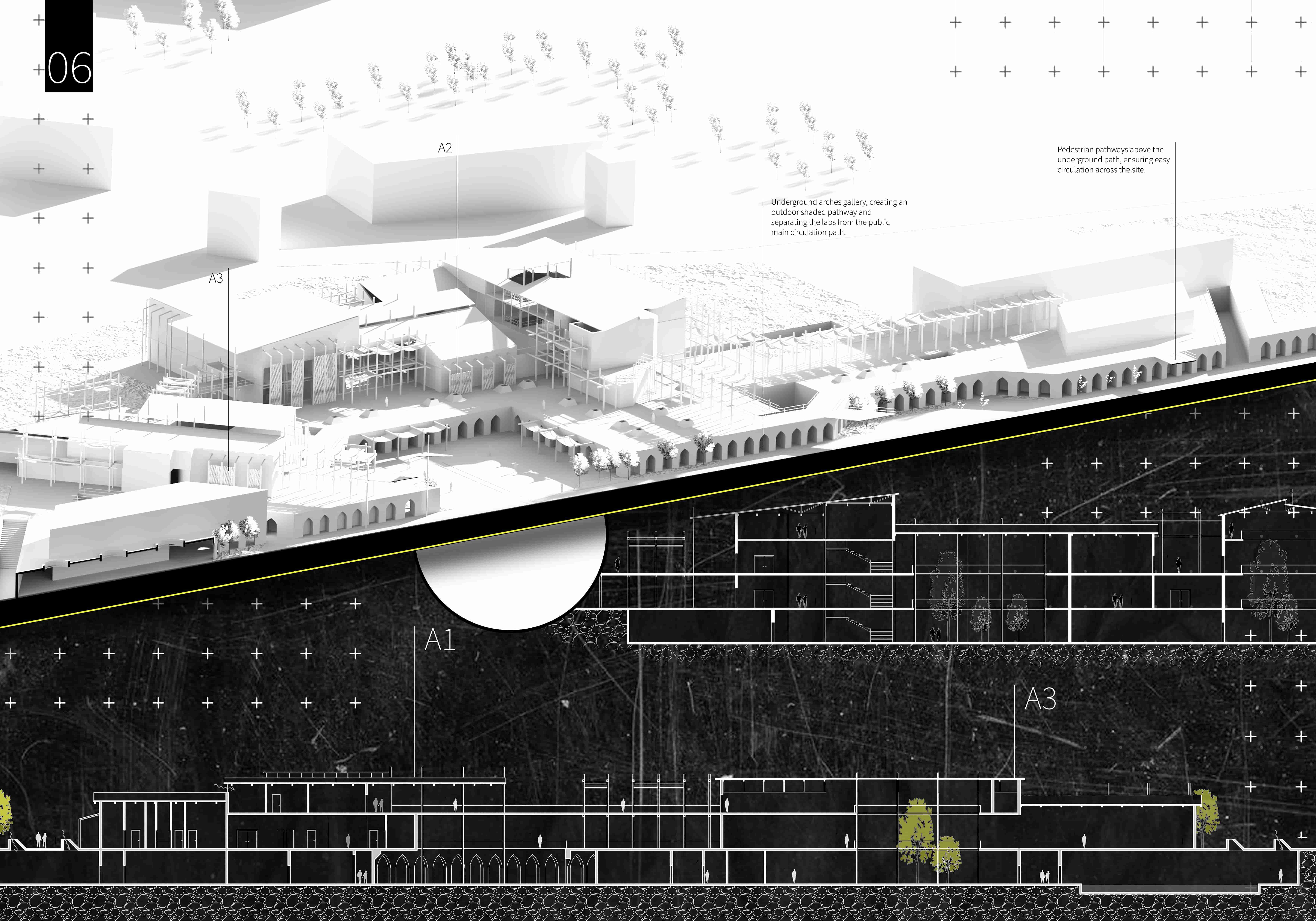
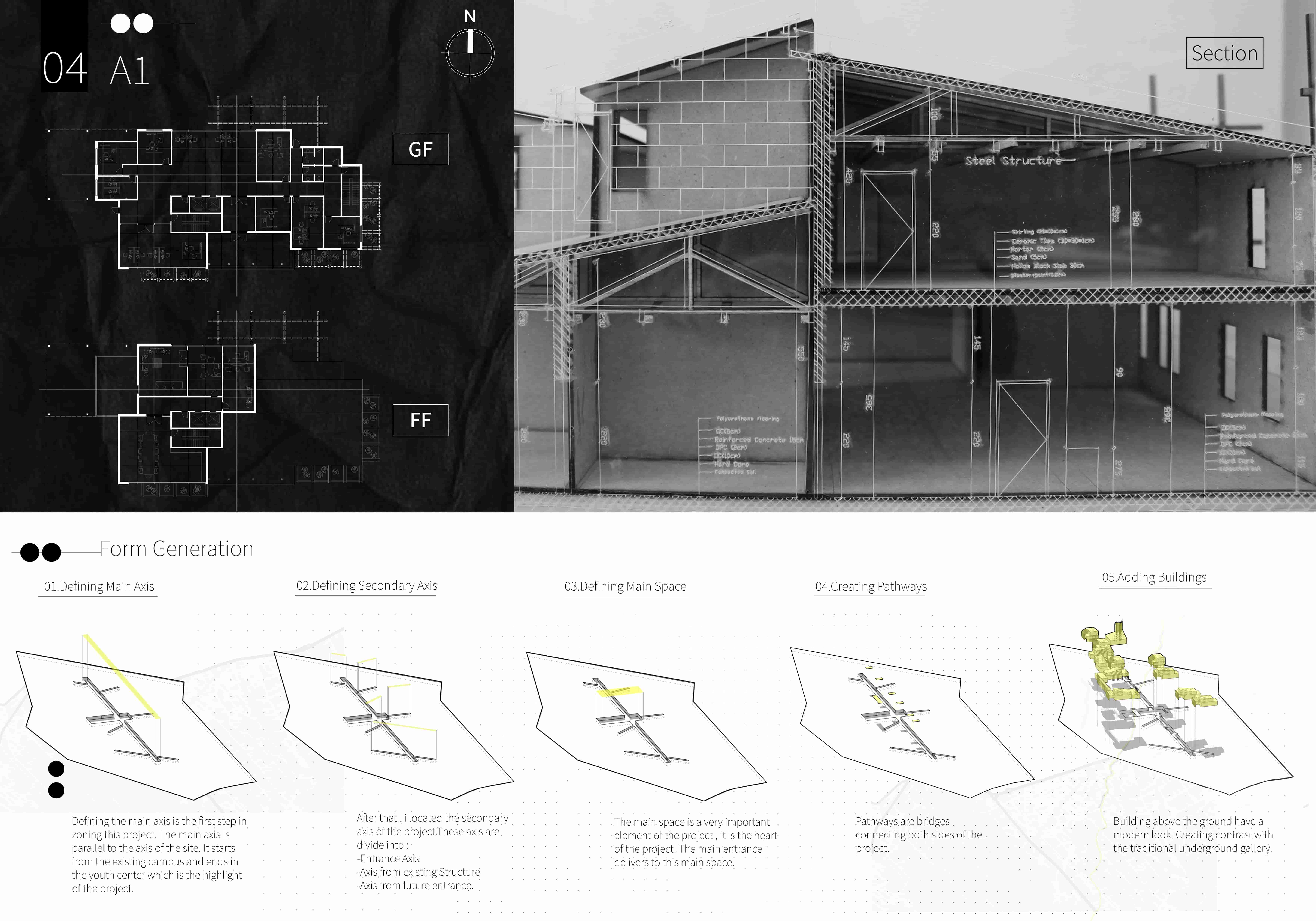
The design is inspired by the idea of light as a metaphor for knowledge and discovery. This concept is translated into a central “luminous axis” that acts as the heart of the project, guiding movement, structuring the campus, and channeling natural light deep into the built spaces. Around this axis, the campus is organized into three main academic buildings (A1, A2, A3), which form a cohesive academic cluster. At the center lies a shared urban space that acts as a social and event hub, reinforcing interaction and community. The buildings are connected through shaded bridges, while internal courtyards within each faculty block enhance daylight and natural ventilation. The project balances public and academic zones, creating a clear yet fluid spatial hierarchy.
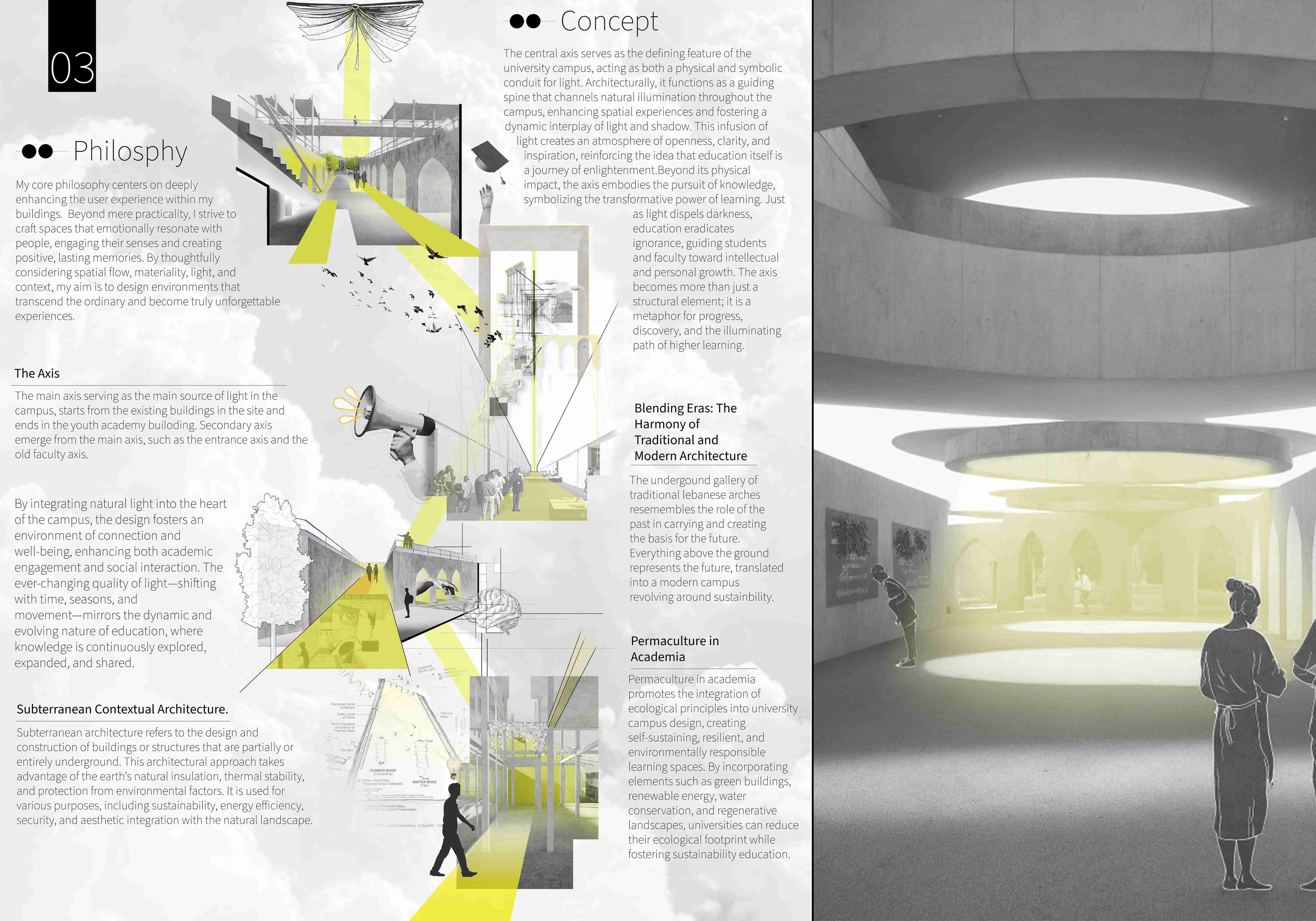
Movement through the campus is defined by the linear progression along the axis, combined with horizontal connections عبر bridges and vertical transitions within the buildings. As users navigate the space, they experience a sequence of light-filled corridors, shaded walkways, and open courtyards that create moments of contrast between light and shadow. Special elements such as mirror ducts bring daylight into underground areas, enriching the spatial experience even below ground level. Overall, the project reflects its vision by turning architecture into an active participant in education. The luminous axis becomes more than a physical element—it acts as a symbolic path of growth, guiding students through an environment that supports learning, interaction, and inspiration.