
Post by Wael Haidar

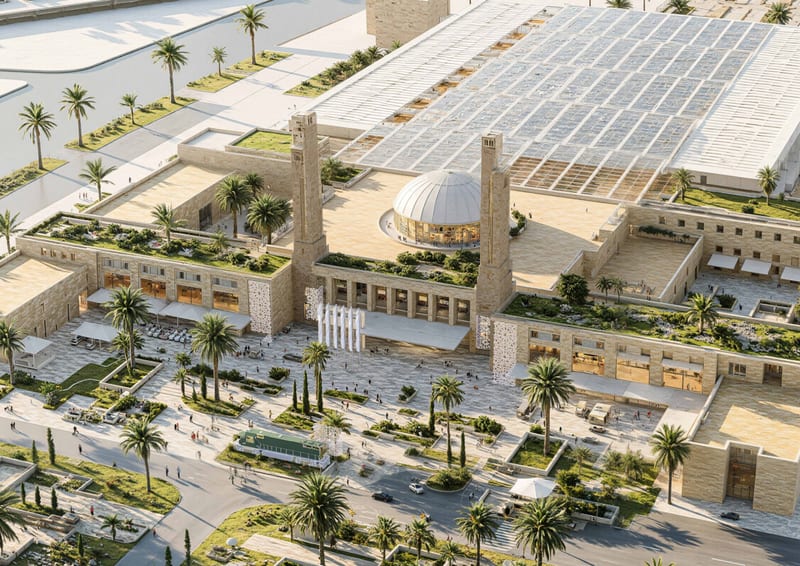
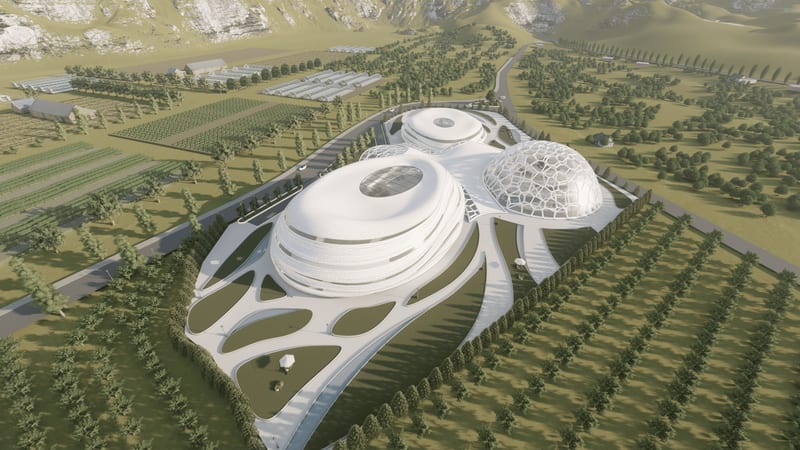
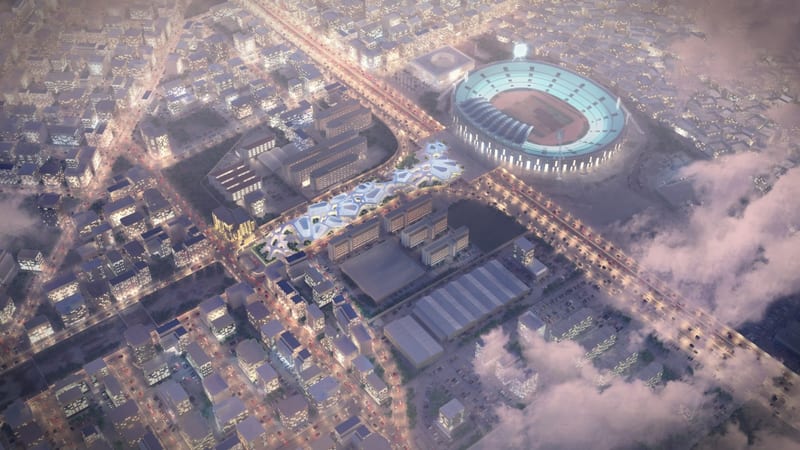
The Jannah Dam Regeneration Project emerges as a response to the growing imbalance between human lifestyles and the natural environments they occupy. As contemporary needs increasingly favor immediate utility, the intrinsic sanctity of nature has often been overlooked. Positioned at Jannah Dam, a site of ecological and social significance, the project seeks to redefine the relationship between people and landscape. Its vision is to transform the dam from a purely utilitarian infrastructure into a meaningful public and environmental asset, restoring reverence for the natural world while enhancing its role within the regional and cultural context.
.jpg)
The architectural concept is inspired by nature as a living system, emphasizing coexistence rather than domination. At the core of the project lies the principle of integration between humans and the natural environment, serving as the symbolic and functional heart of the design. The project adopts a layered and multifunctional strategy, combining ecological restoration zones with public and tourism-oriented spaces. These include areas dedicated to biodiversity regeneration based on local knowledge and scientific research, alongside curated public zones that encourage learning, observation, and interaction with the landscape.
.jpg)
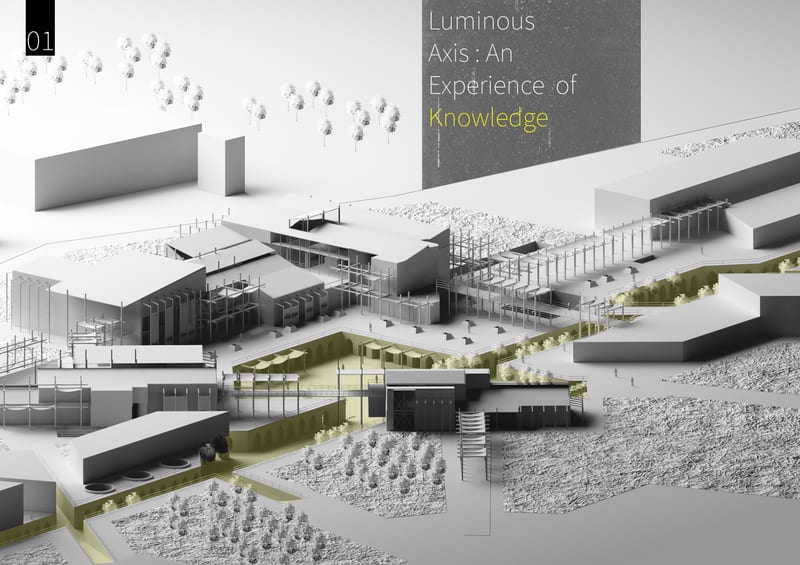
The spatial experience is defined by a sequence of fluid horizontal pathways and gentle vertical transitions that guide users through natural and built environments without disrupting the site’s ecological balance. Transitional spaces mediate between public access areas and sensitive ecological zones, allowing visitors to gradually reconnect with the landscape. Ultimately, the project functions as a social condenser, fostering interaction, environmental awareness, and collective responsibility. Through its integrated approach, the Jannah Dam Regeneration Project establishes a renewed spatial identity—one that balances ecological preservation, social engagement, and architectural intent.
.jpg)
.jpg)
.jpg)
.jpg)
.jpg)
.jpg)
.jpg)
.jpg)
.jpg)
.jpg)
.jpg)
.jpg)
.jpg)