
Post by mira khalifeh
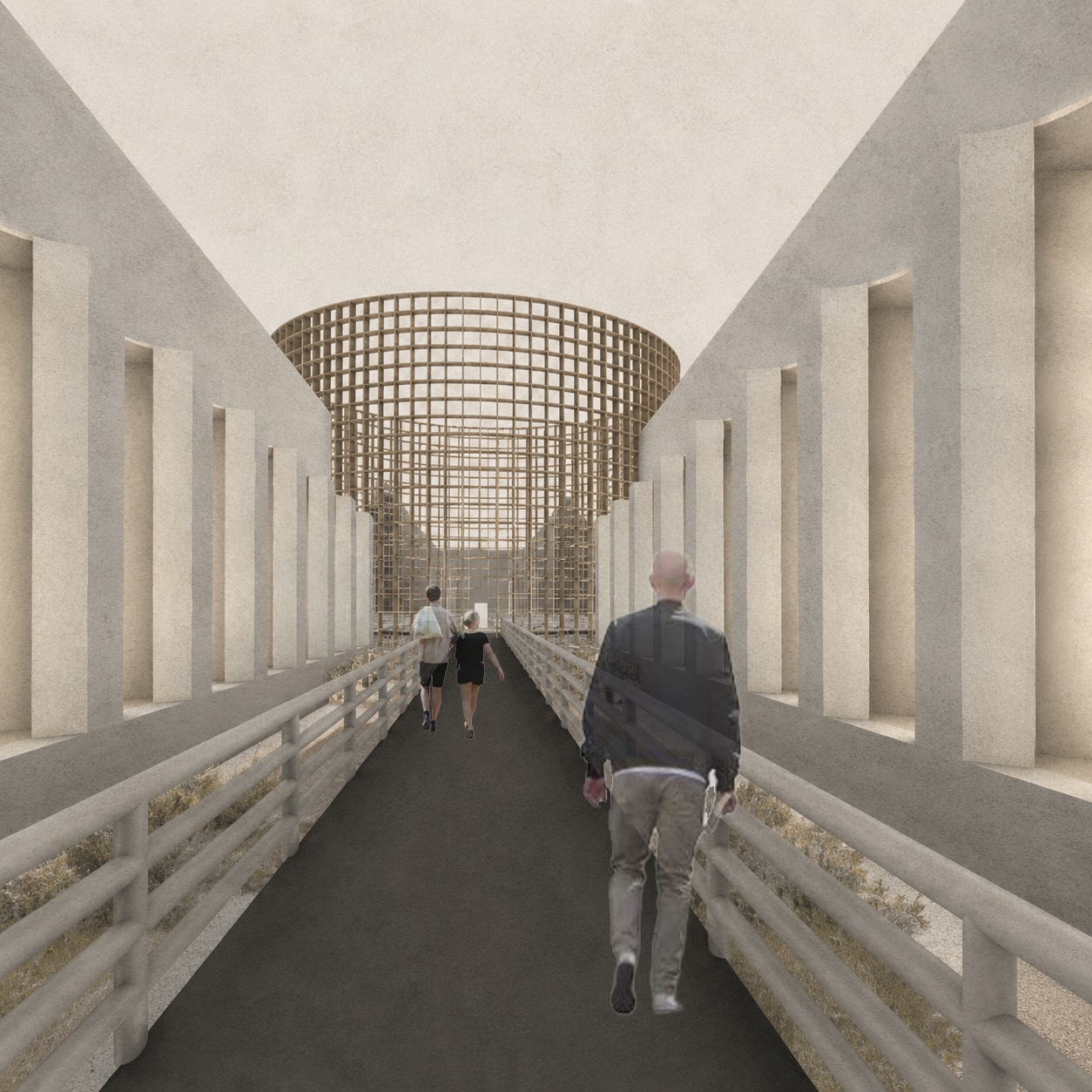
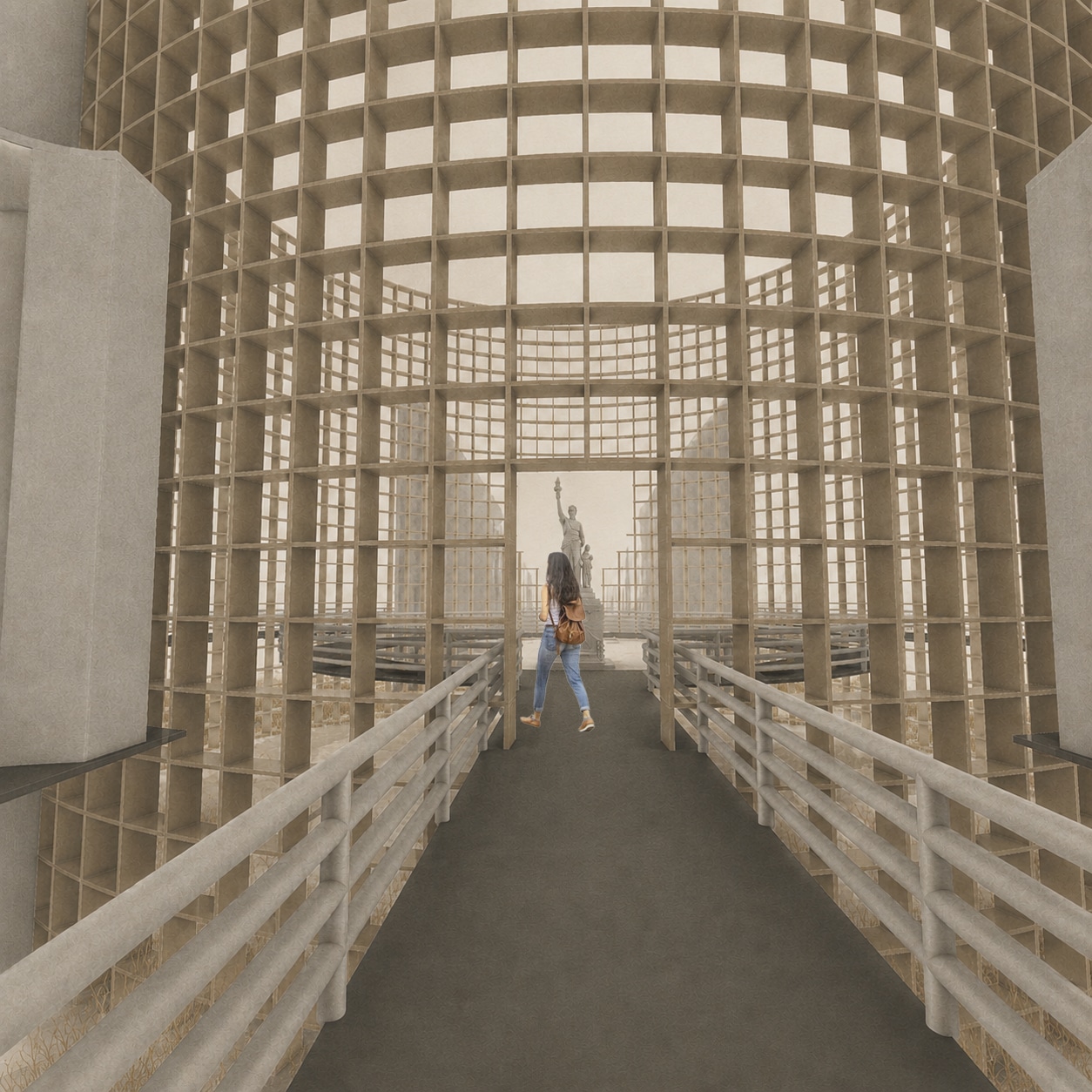
In Beirut, power no longer operates through visible institutions or centralized authority. Instead, it manifests through absence, delay, withdrawal, and unresolved urban conditions that have gradually solidified into a hidden system of governance. This thesis conceptualizes this condition as the Monster: an invisible political structure embedded within the city's civic fabric. Concealed within familiar institutions, spatial routines, and everyday urban life, the Monster normalizes systems of surveillance, judgment, confinement, fragmentation, and controlled visibility while remaining largely unseen. The thesis asks how architecture can reveal and confront political systems that no longer occupy singular institutions, but instead operate as dispersed conditions embedded throughout the city. Rather than representing this hidden system, the project constructs an architectural counterpart capable of exposing it.
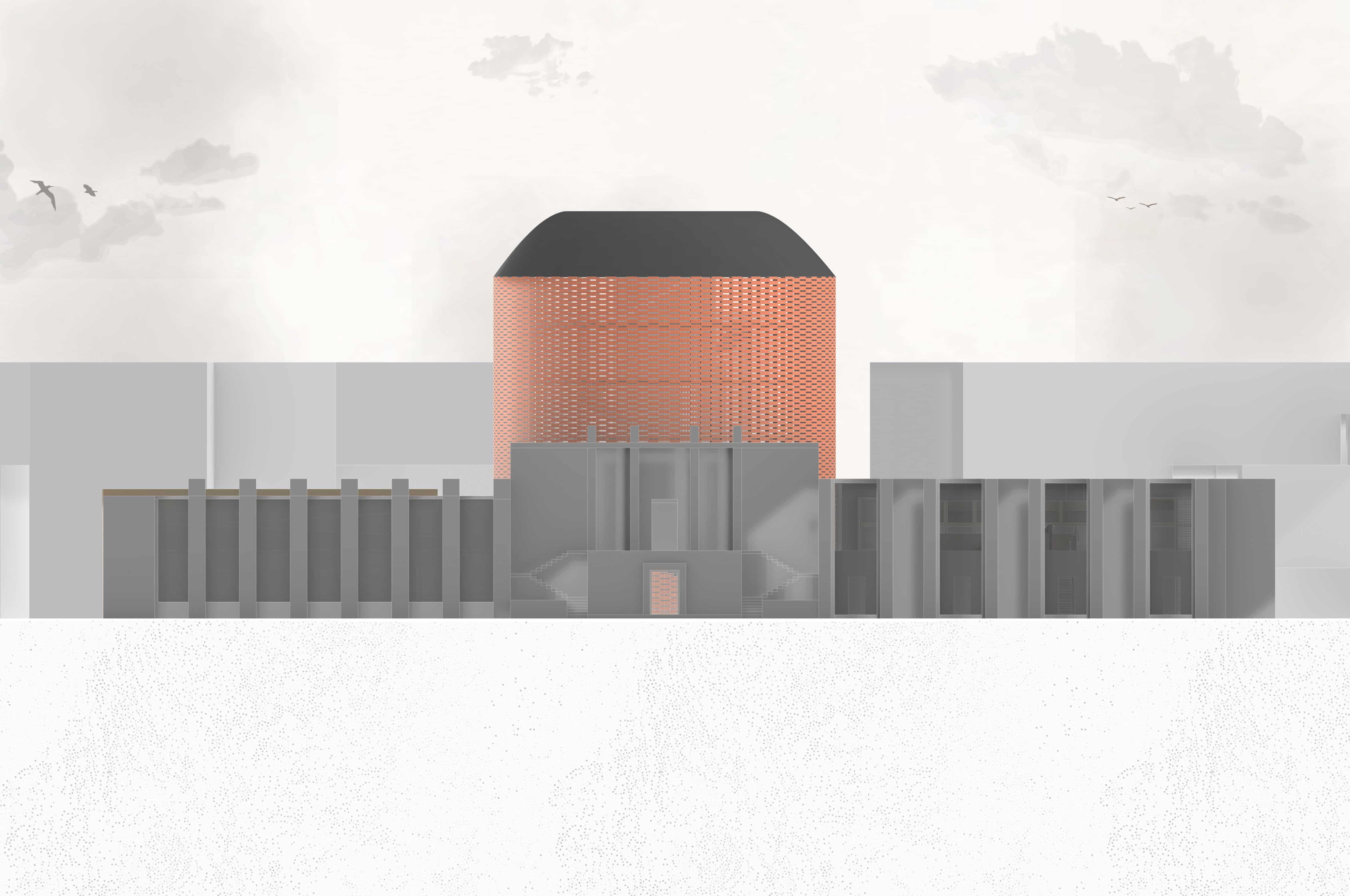
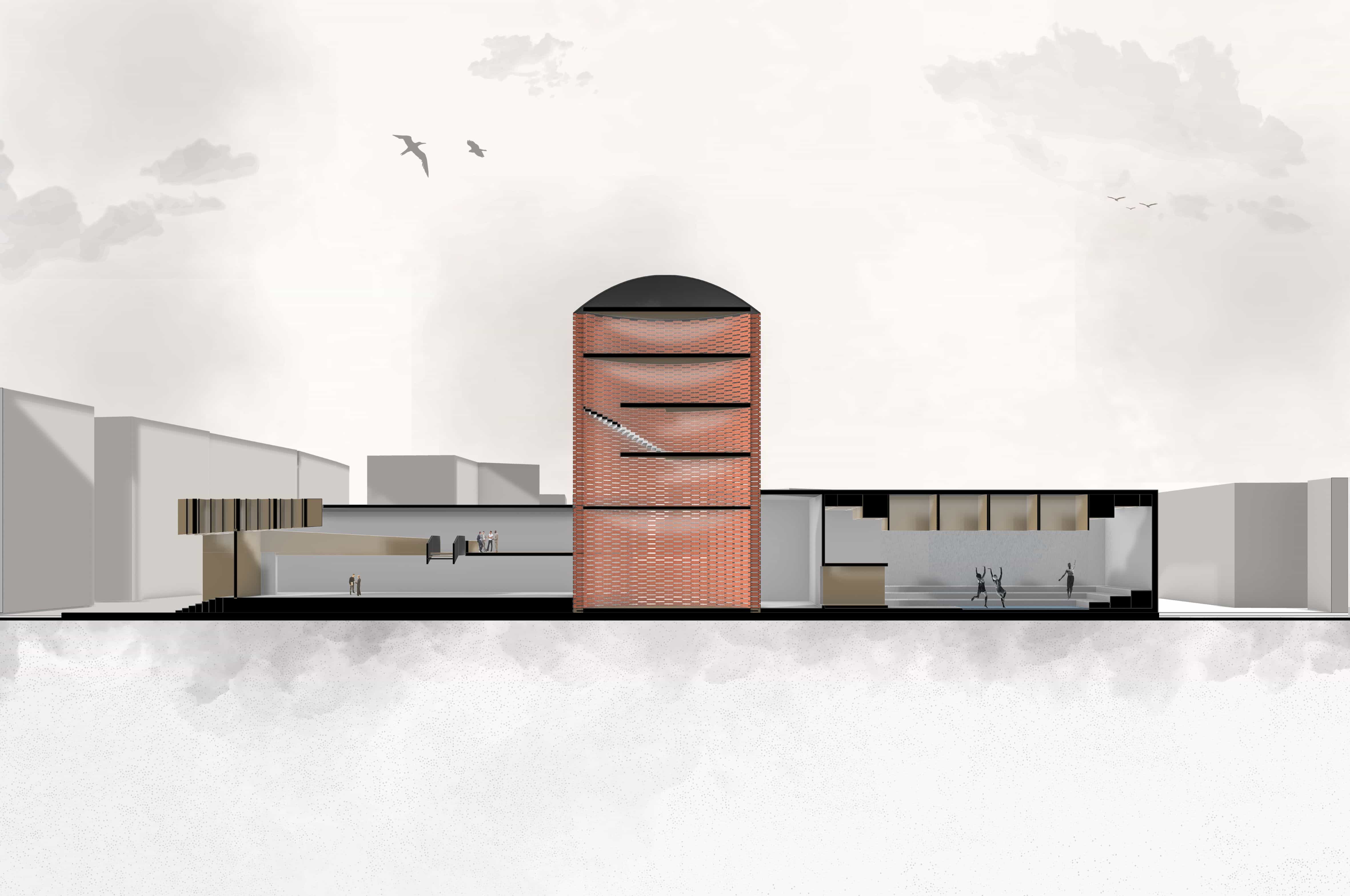
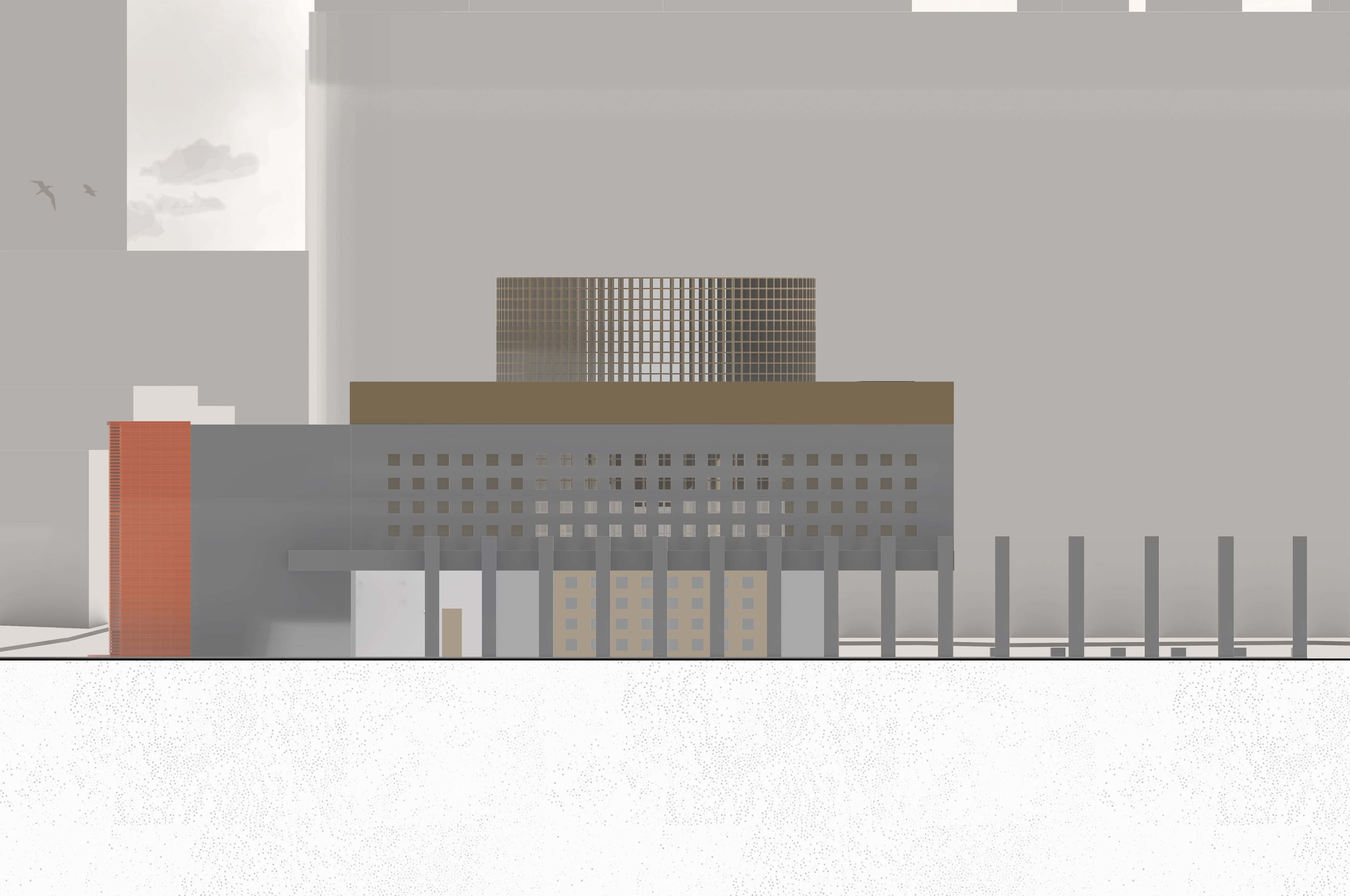
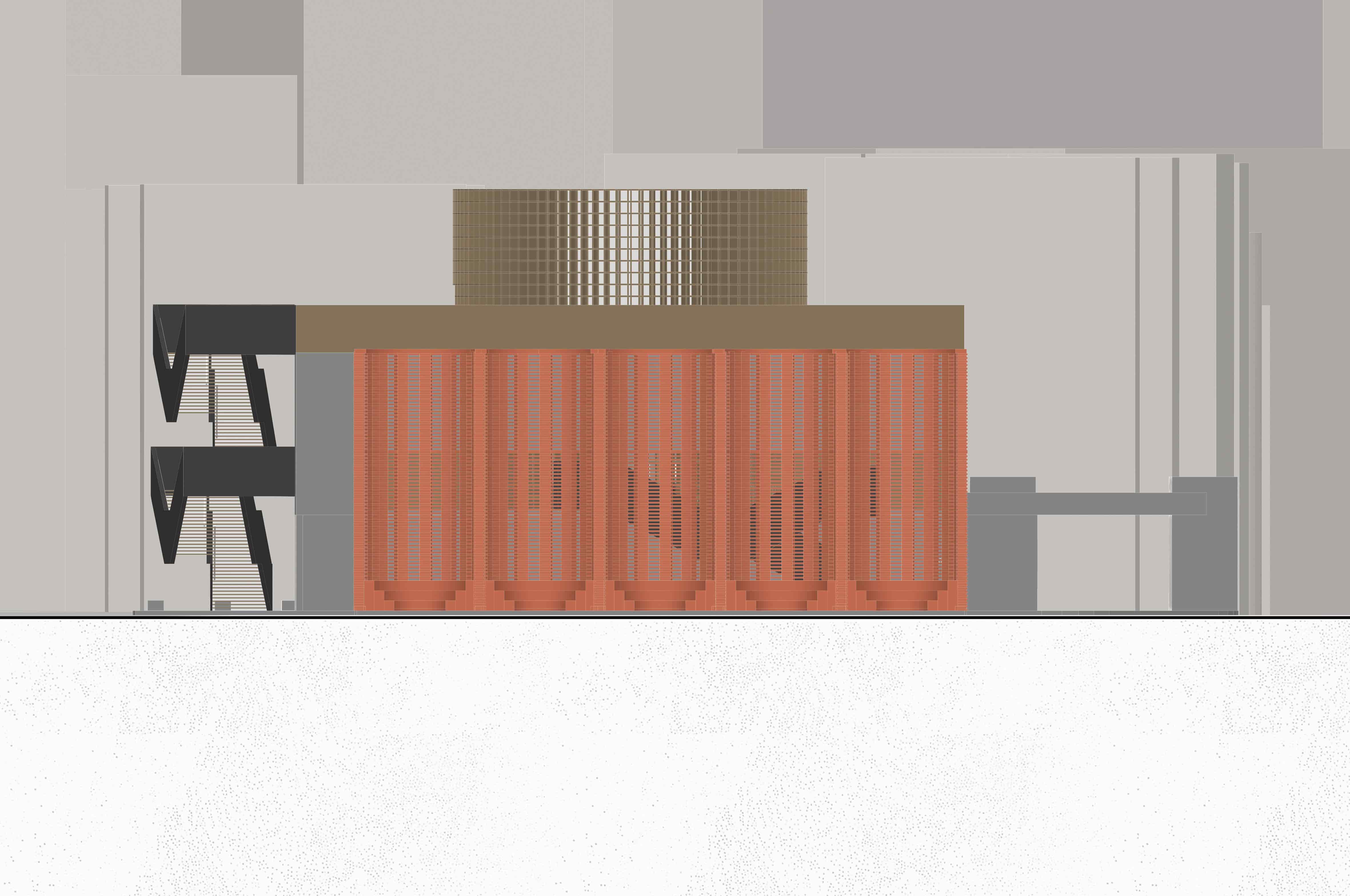
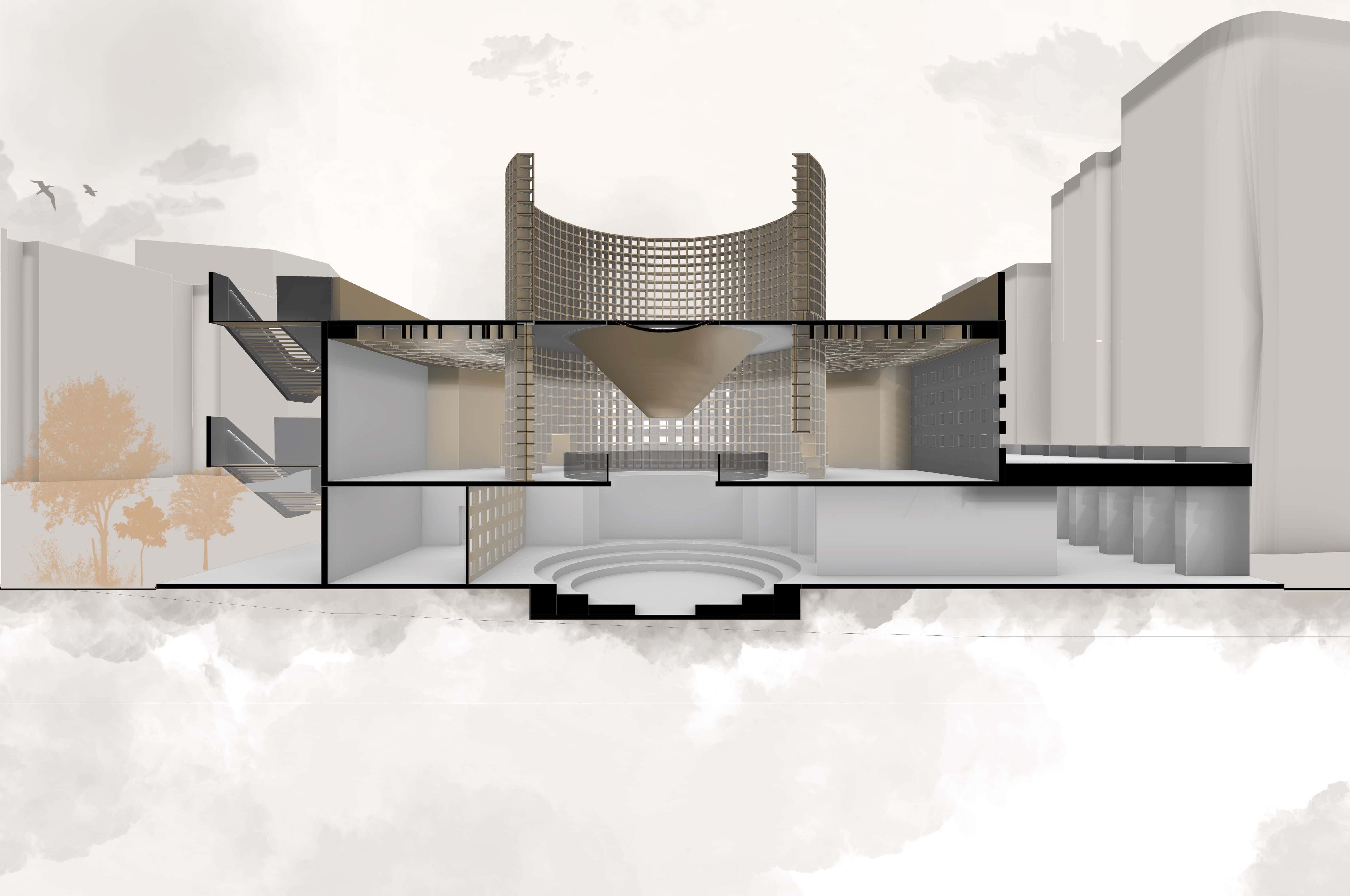
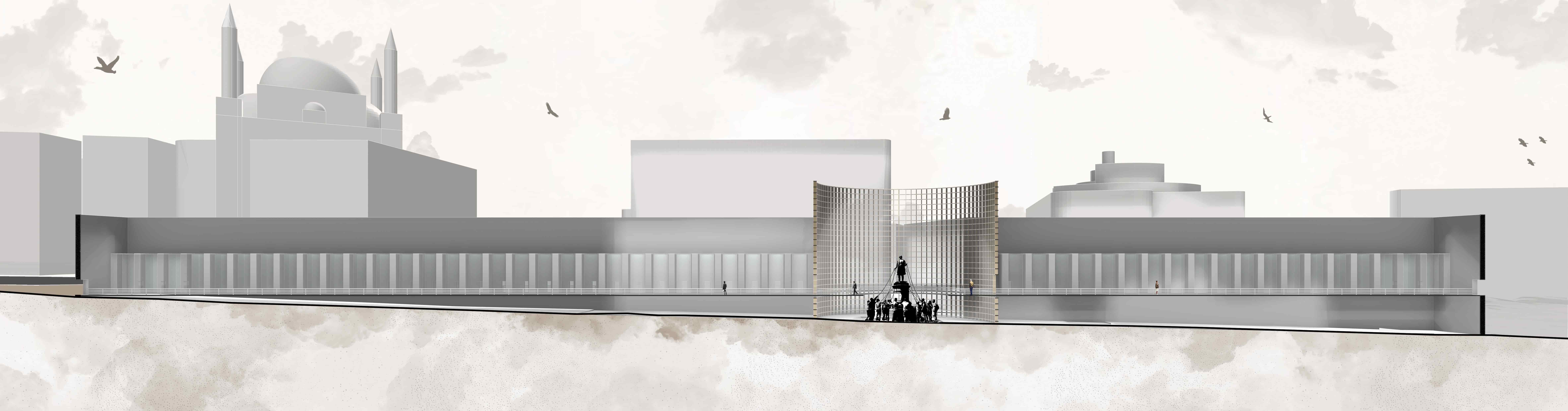
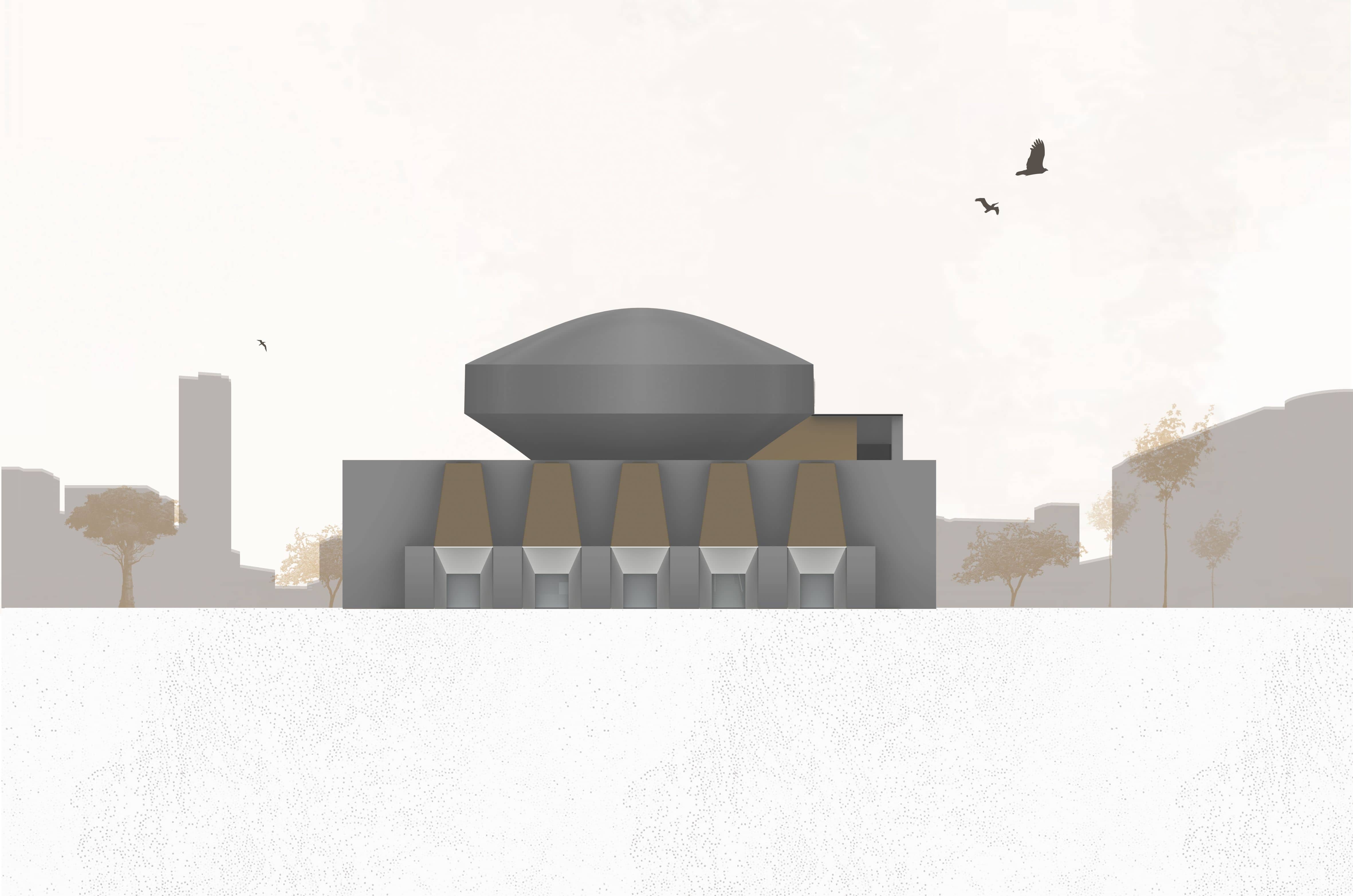
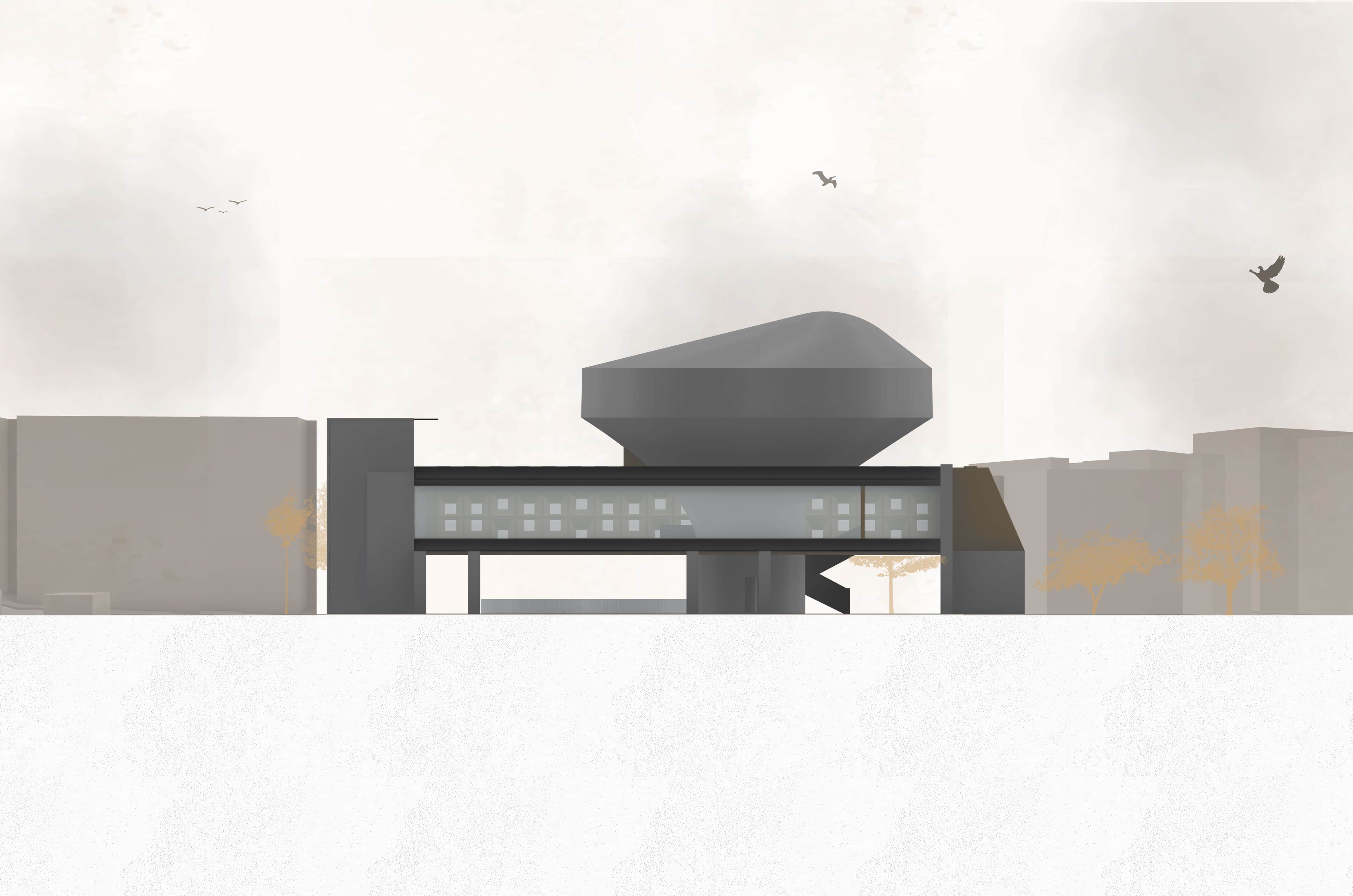
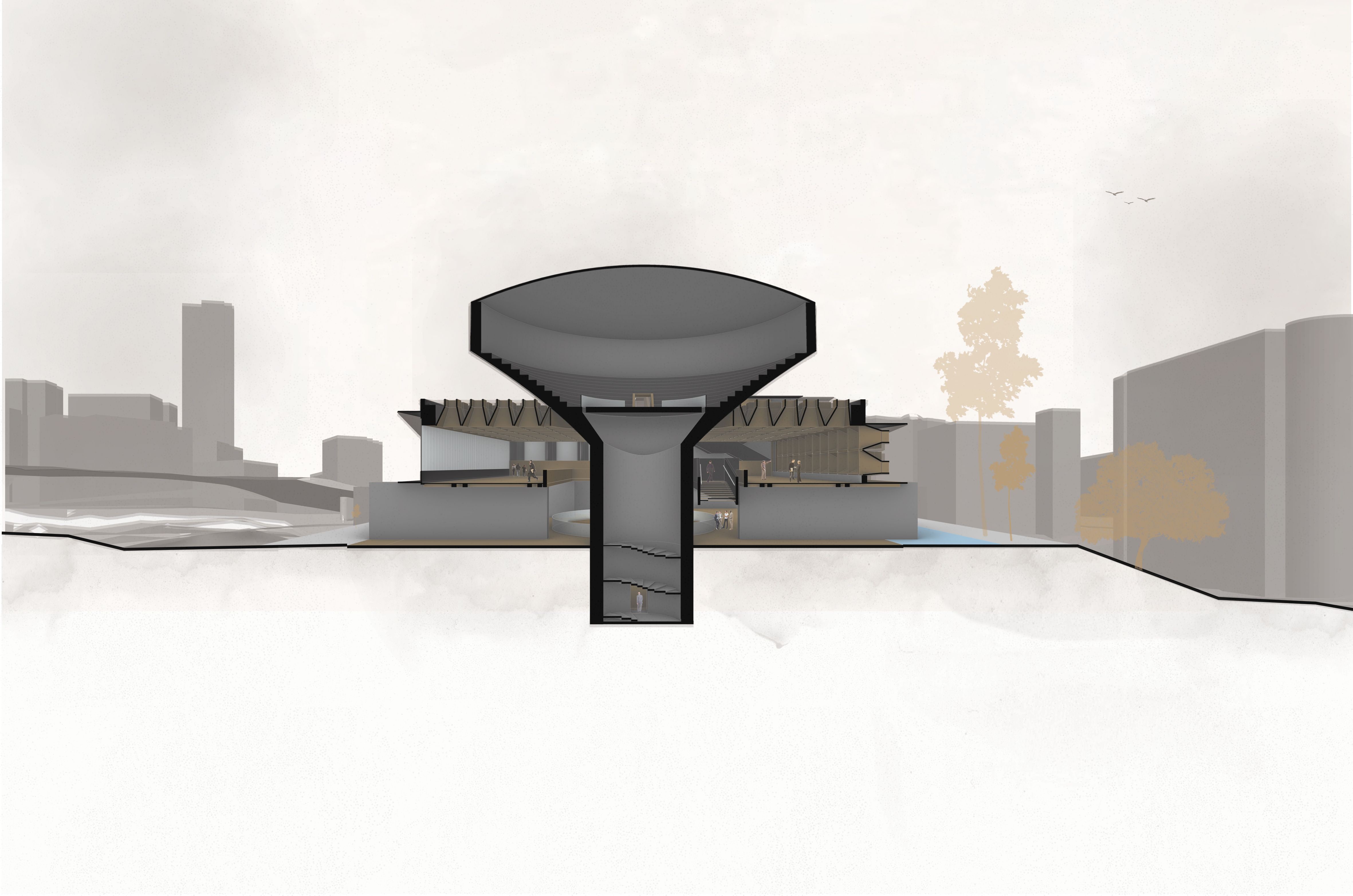
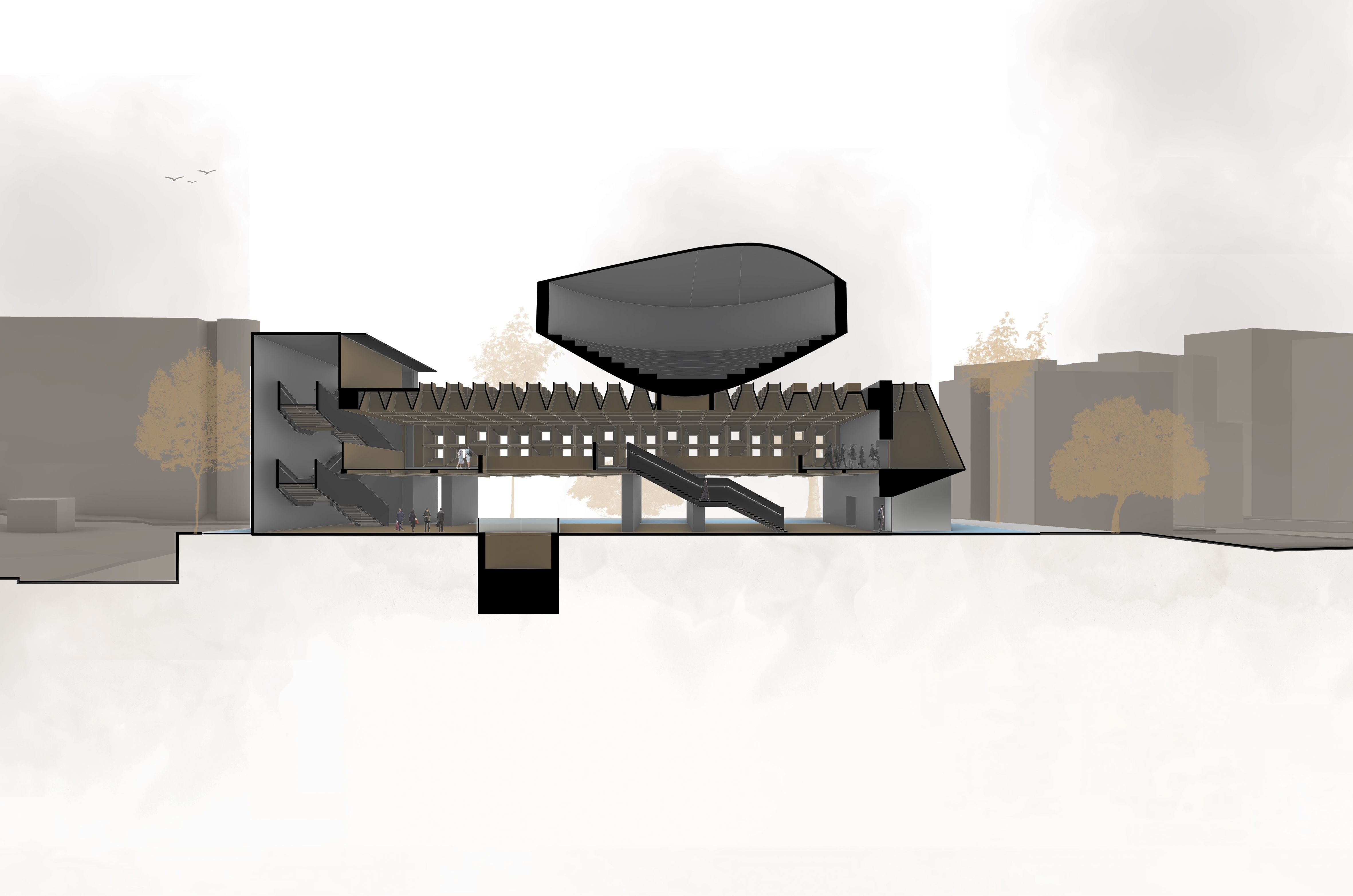
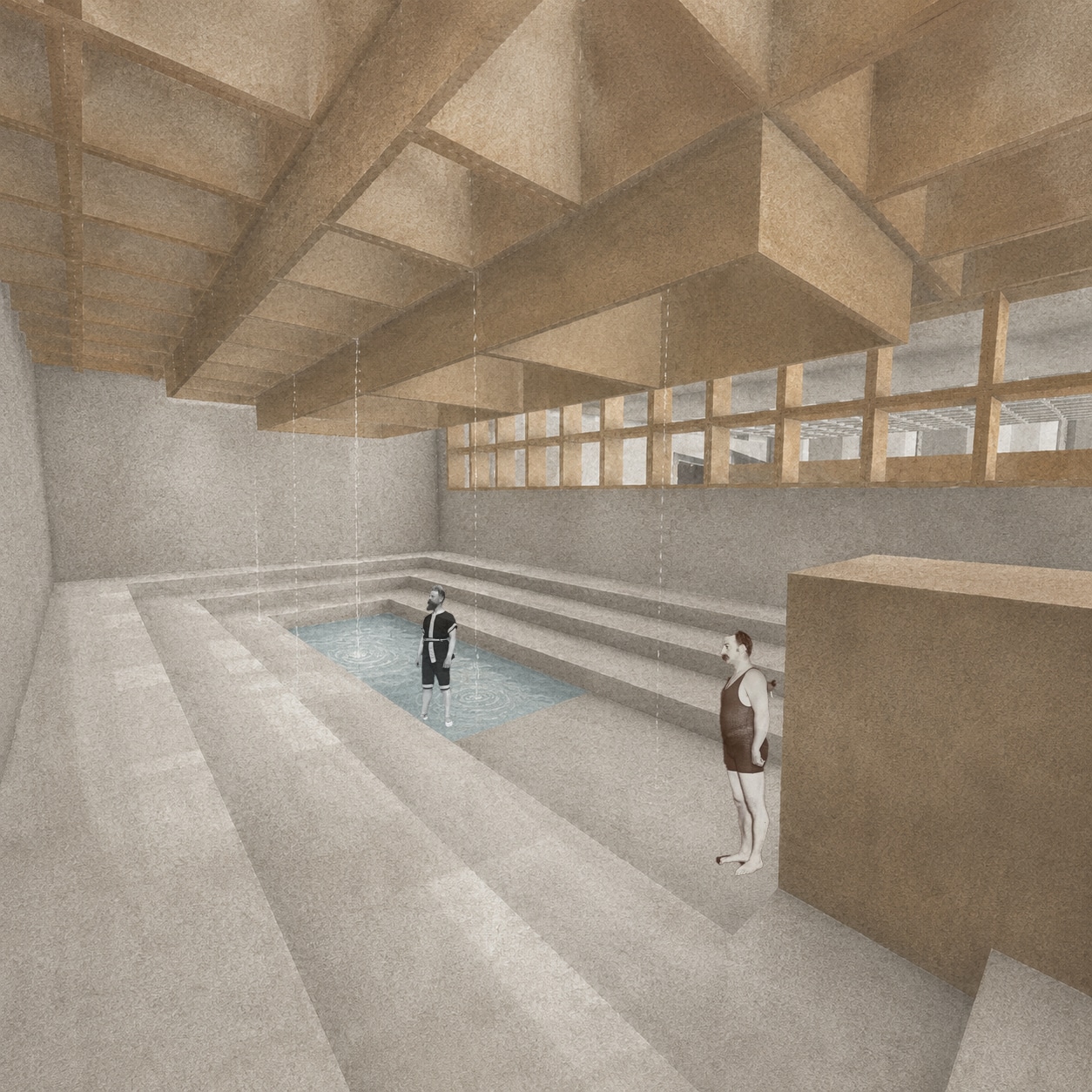
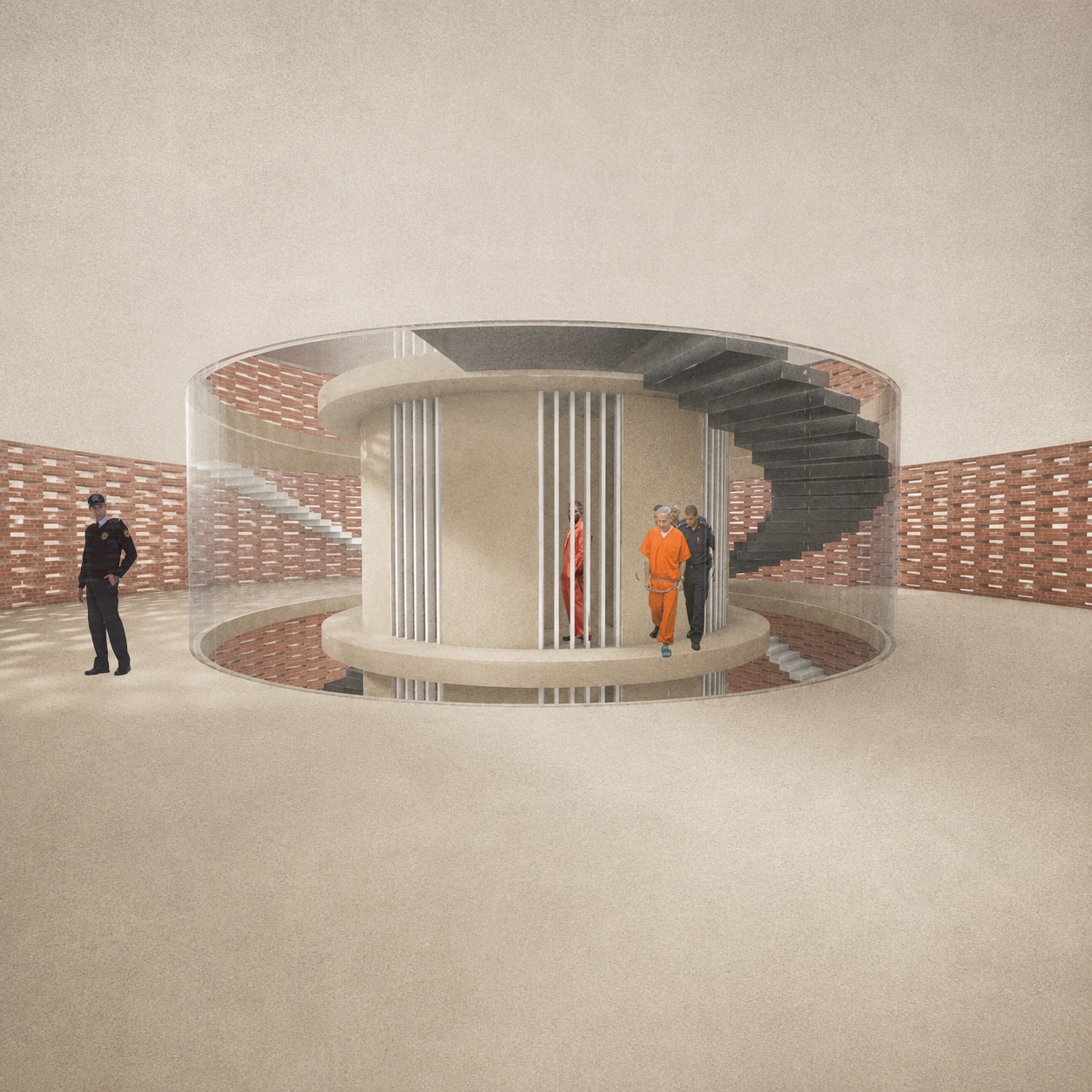
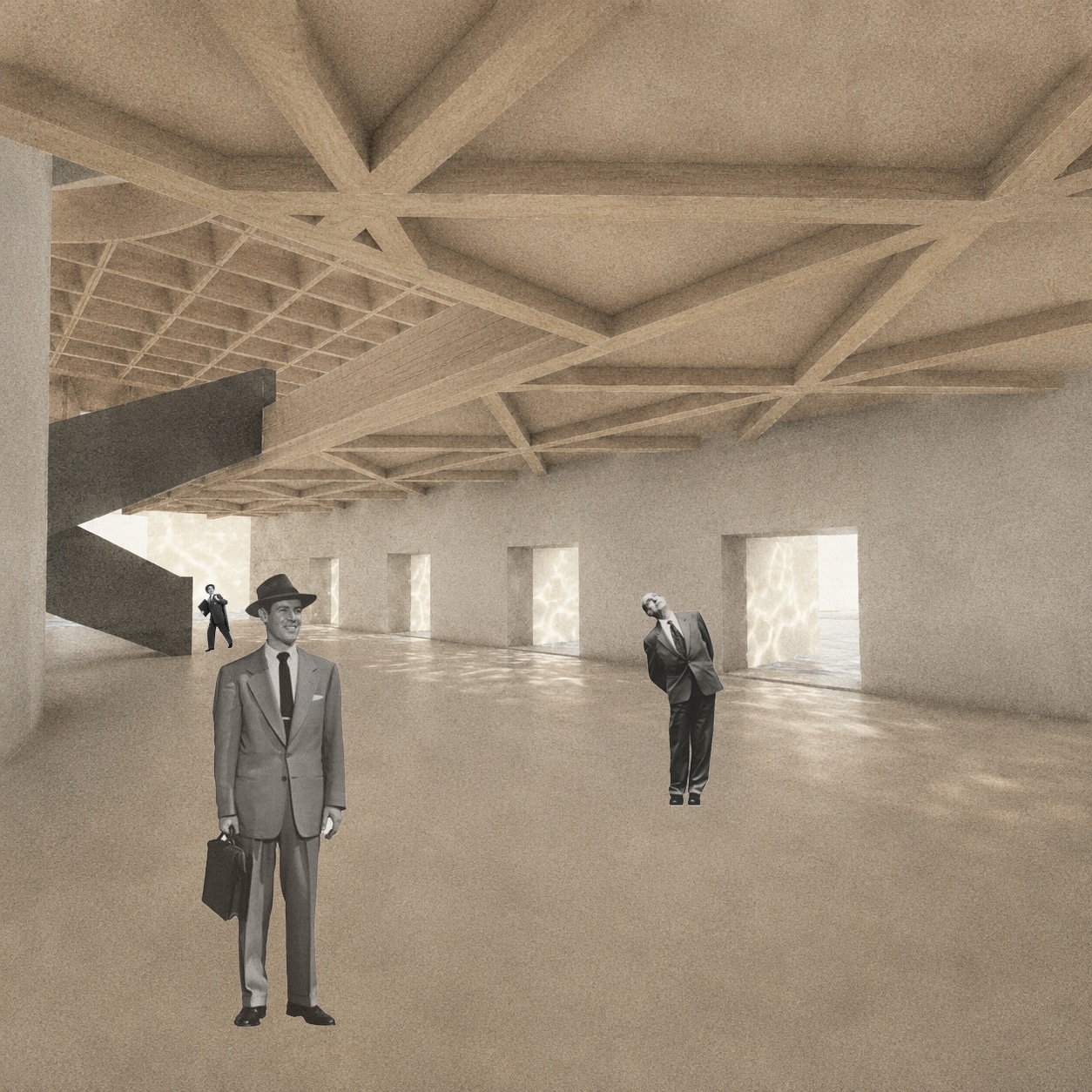
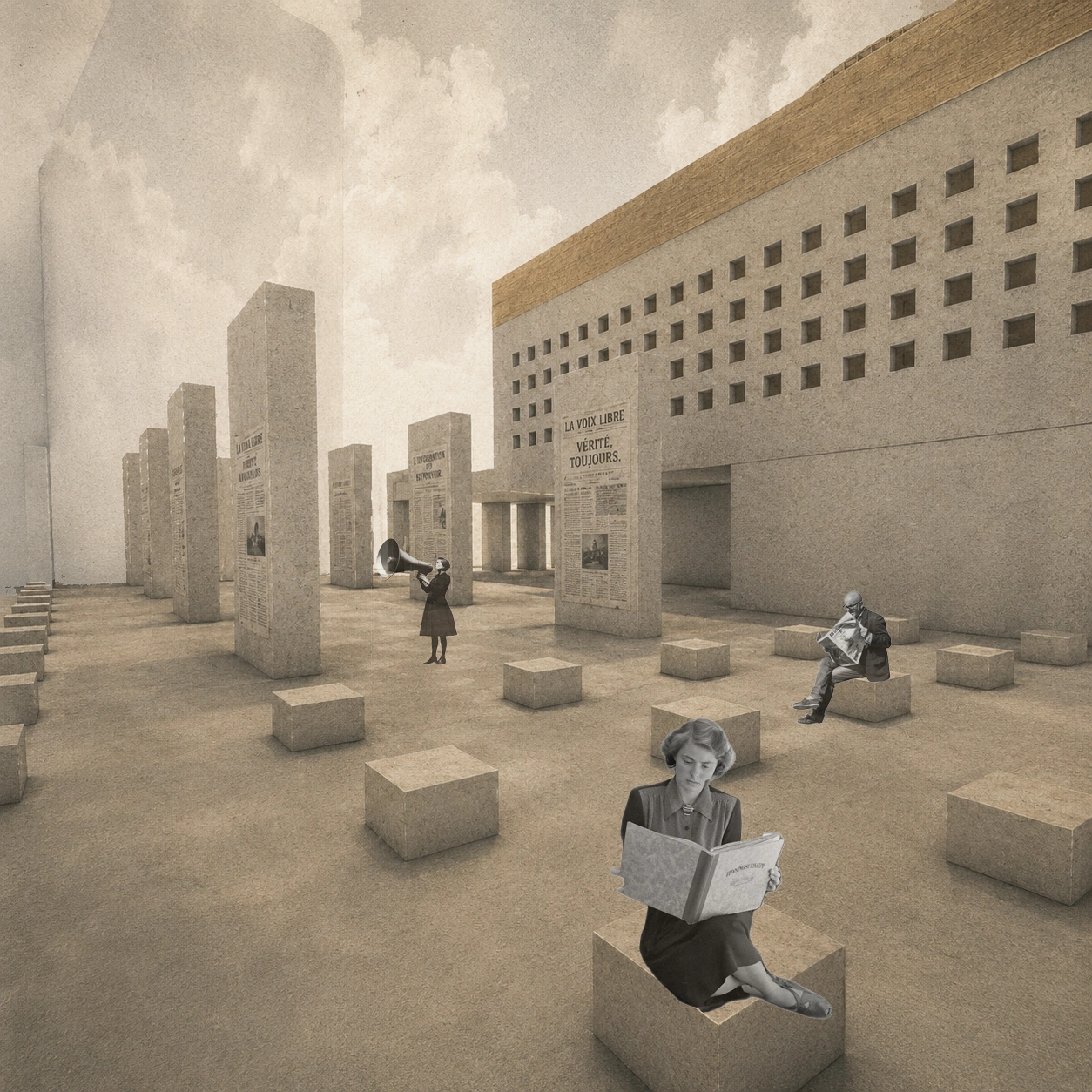
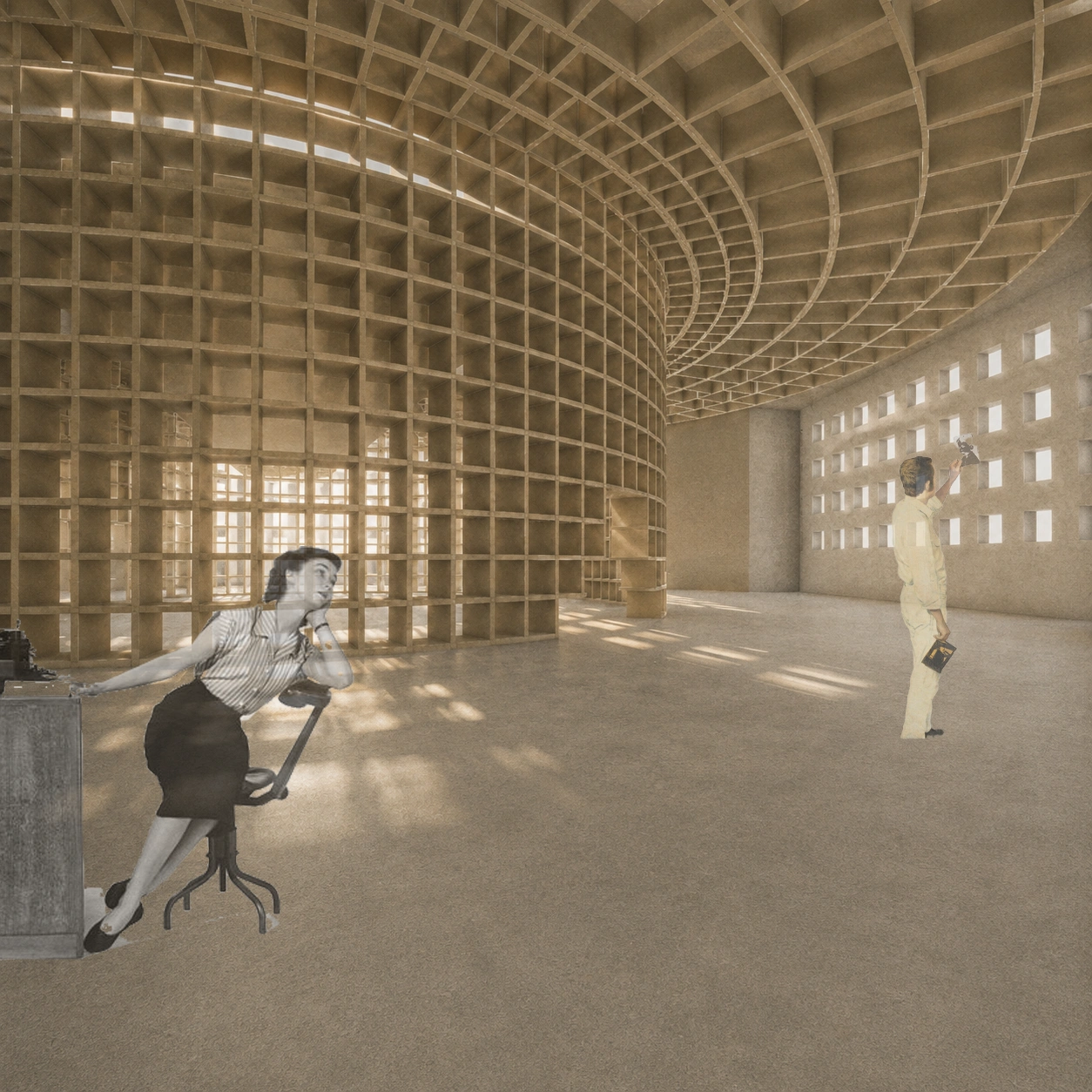
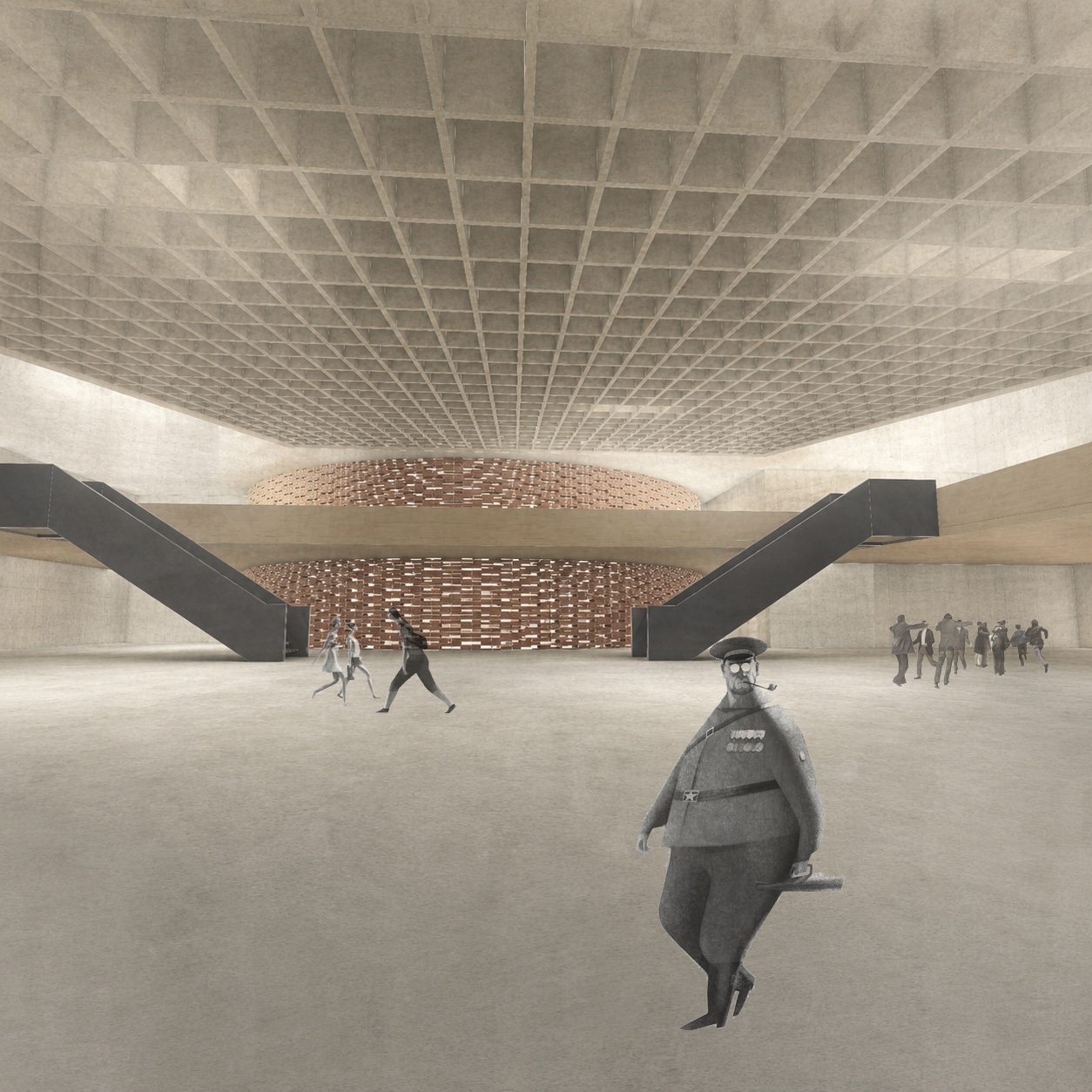
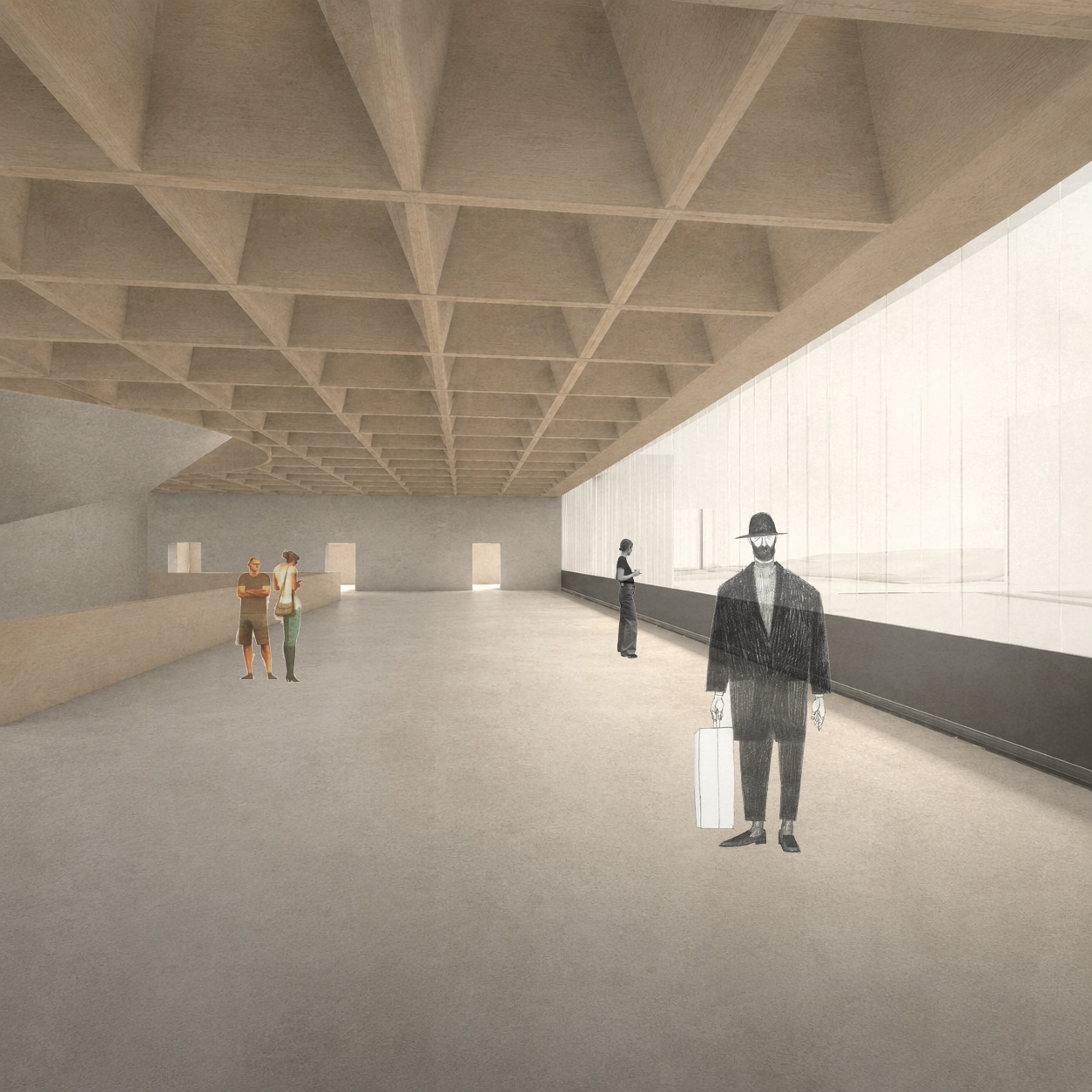
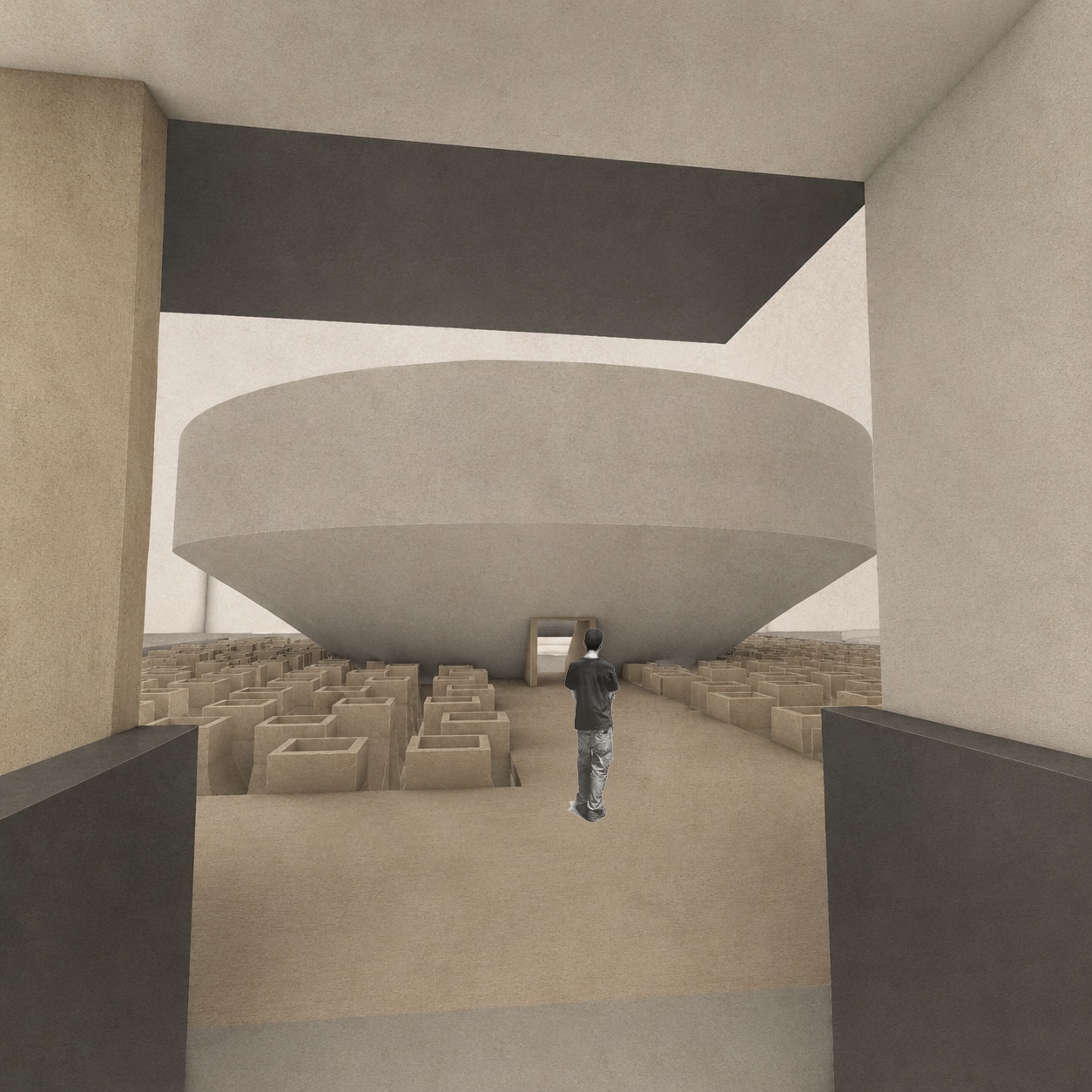
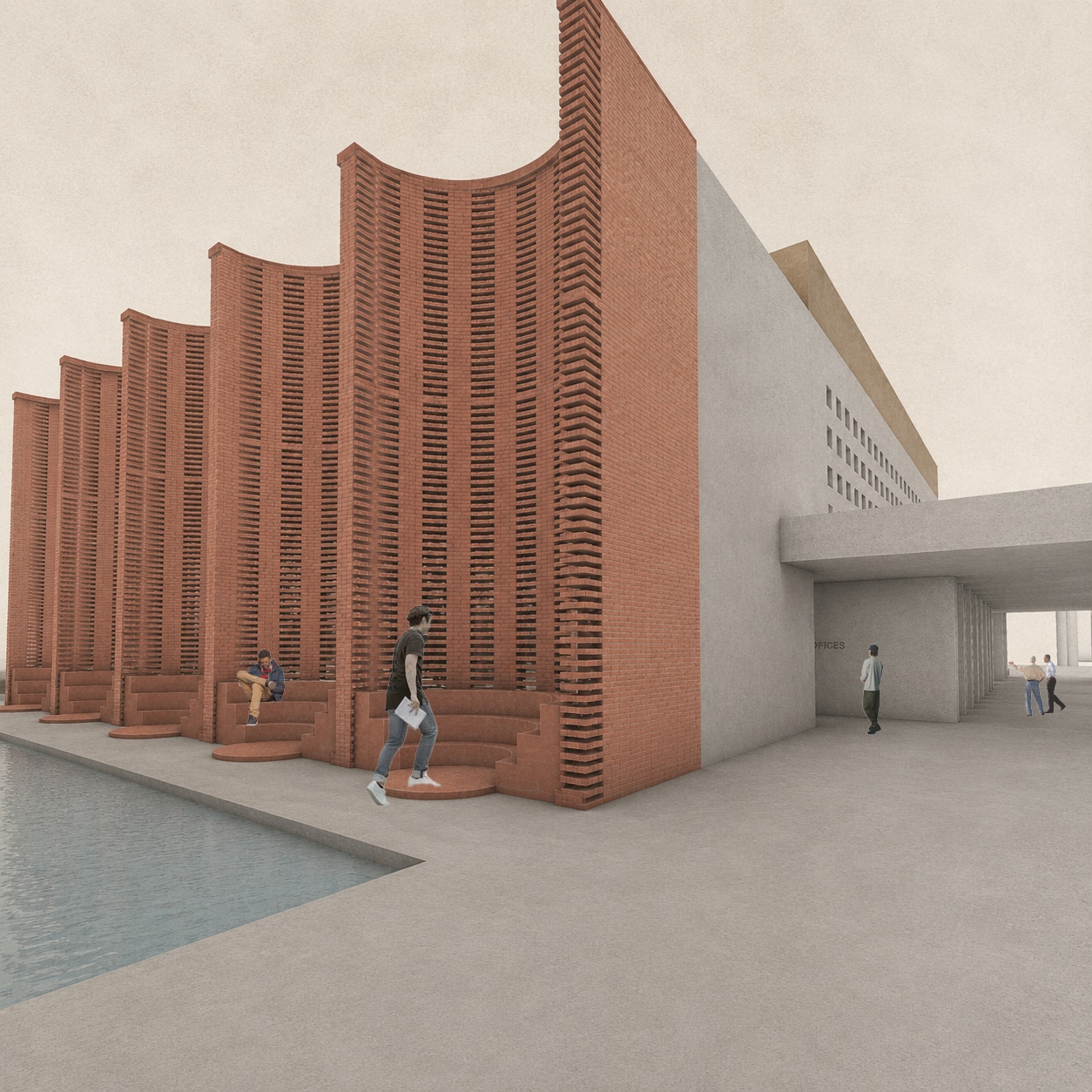
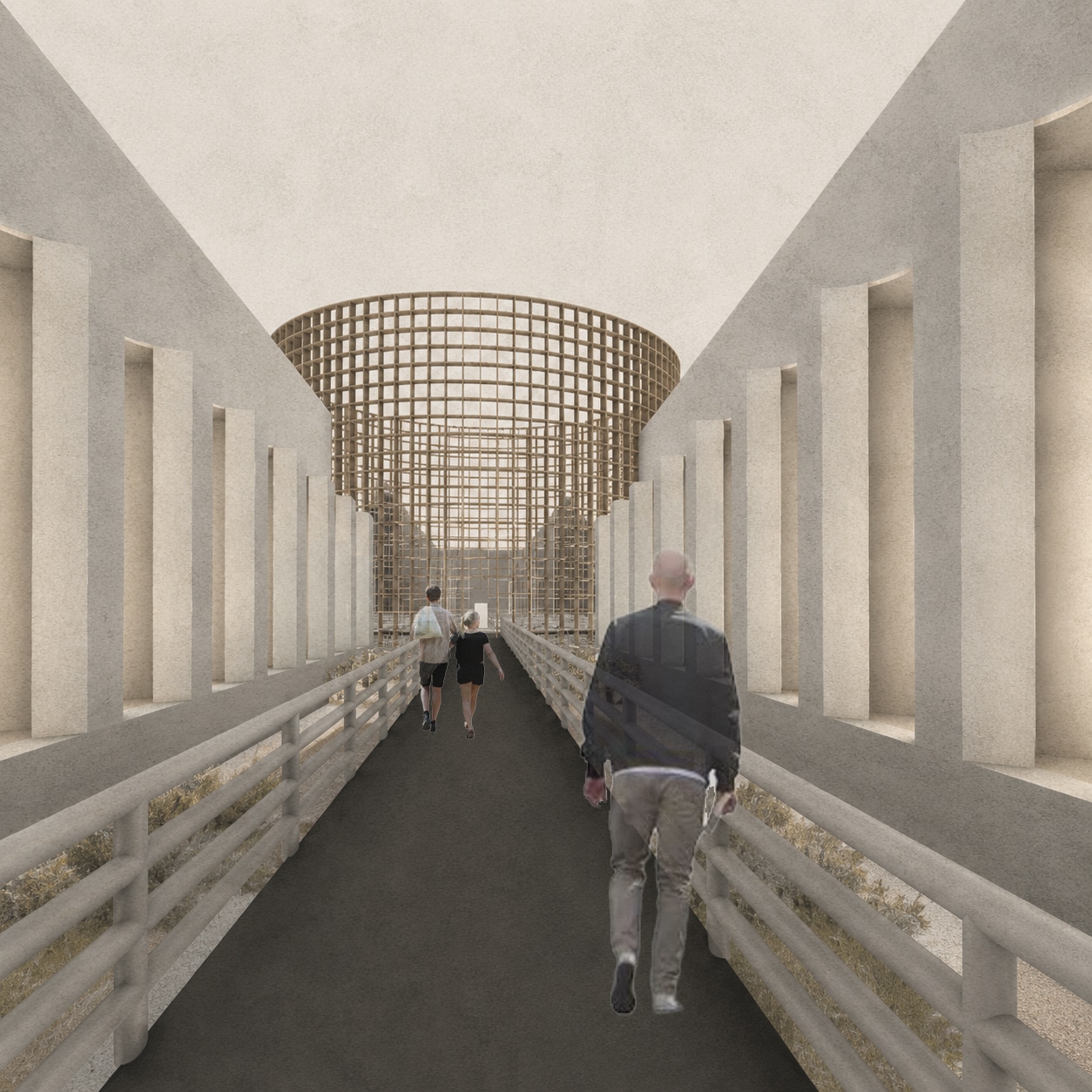
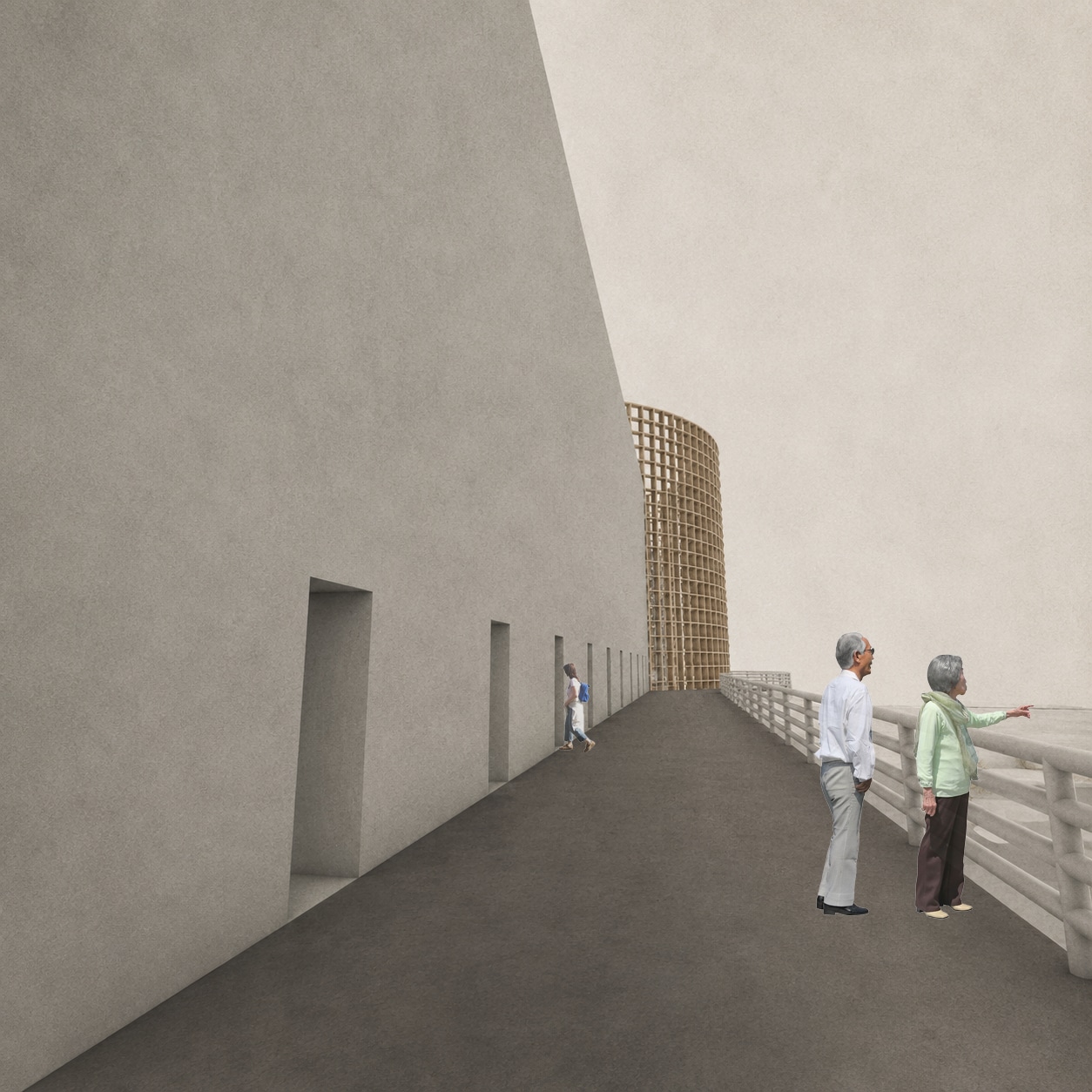
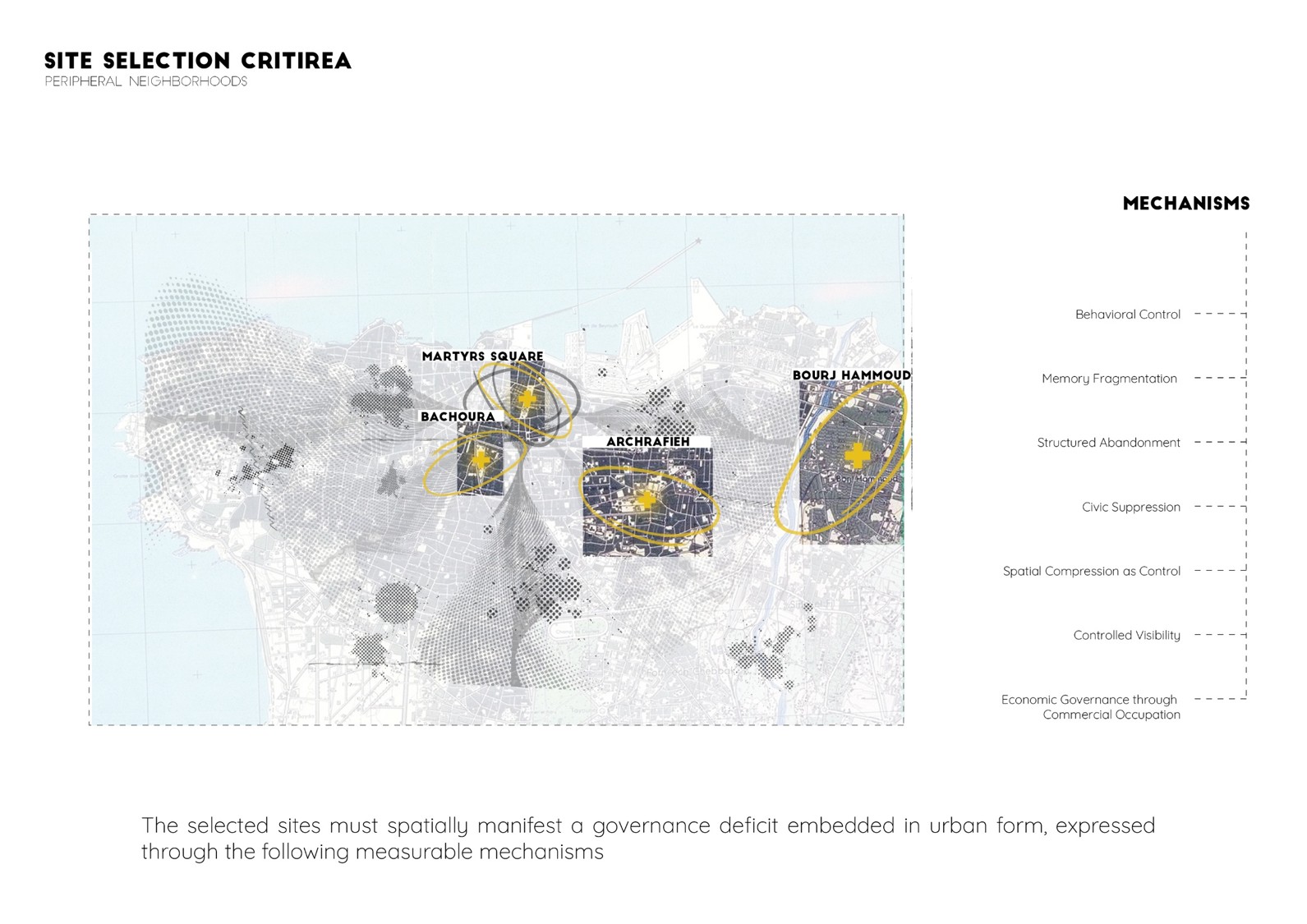
Through a process of urban lobotomy, mechanisms of governance are extracted from Beirut's urban condition and translated into civic institutions that make these invisible forces spatially legible. Distributed across Achrafieh, Bashoura, Burj Hammoud, and Martyrs' Square, a network of media, court, prison, archive, memorial, and civic assembly programs forms a fragmented civic apparatus. Each intervention responds to a specific governance condition embedded within its site, while collectively revealing the dispersed nature of contemporary power.
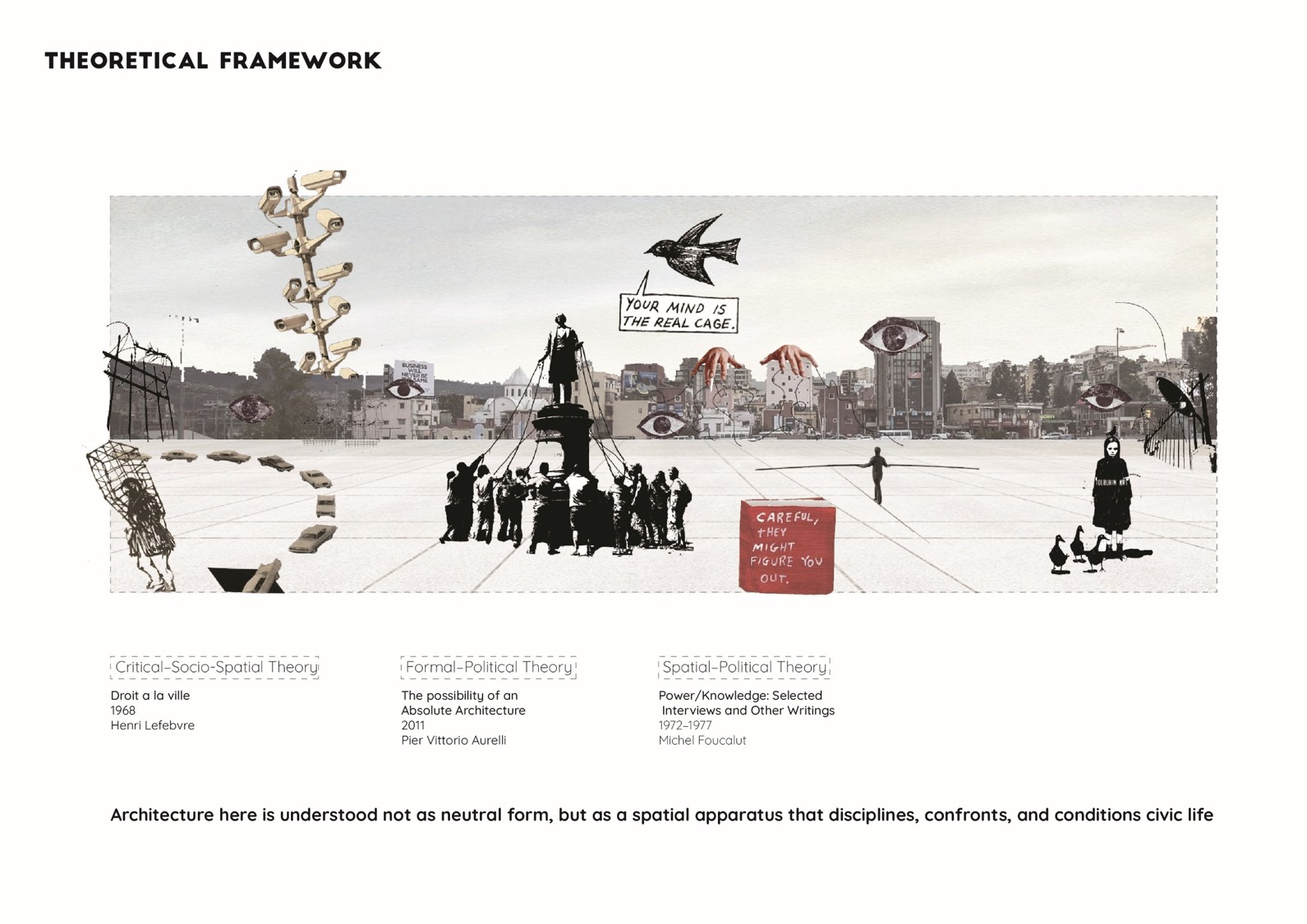
The project is grounded in the work of Michel Foucault, Pier Vittorio Aureli, and Henri Lefebvre, who position architecture as an active political construct rather than a neutral container. Foucault examines how power operates through visibility and spatial control, Aureli frames architecture as a condition of confrontation rather than representation, and Lefebvre understands the public realm as a collectively produced civic space. Together, these theories establish architecture as an instrument through which power, behavior, and collective life are organized. The project is further informed by Rem Koolhaas' Exodus, which demonstrates how architecture can spatialize systems of power, and John Hejduk's Mask of Medusa, whose reinterpretation of civic institutions reveals architecture's capacity to expose political structures through familiar architectural forms.
The project develops a methodology that moves from urban diagnosis to architectural generation. Rather than assigning programs to sites, each intervention begins by identifying the dominant spatial mechanisms operating within its urban condition, visibility, judgment, surveillance, memory, confinement, and release. These mechanisms become architectural operations that reshape civic institutions from within. Drawing upon the concepts of type and typology developed by Quatremère de Quincy and Giulio Carlo Argan, enduring civic archetypes are understood not as historical forms to be replicated, but as organizational systems capable of transformation. Their spatial and organizational logic is reinterpreted through the political and urban conditions of each site, producing contemporary civic institutions that preserve the intelligibility of their archetypes while fundamentally altering how they operate.
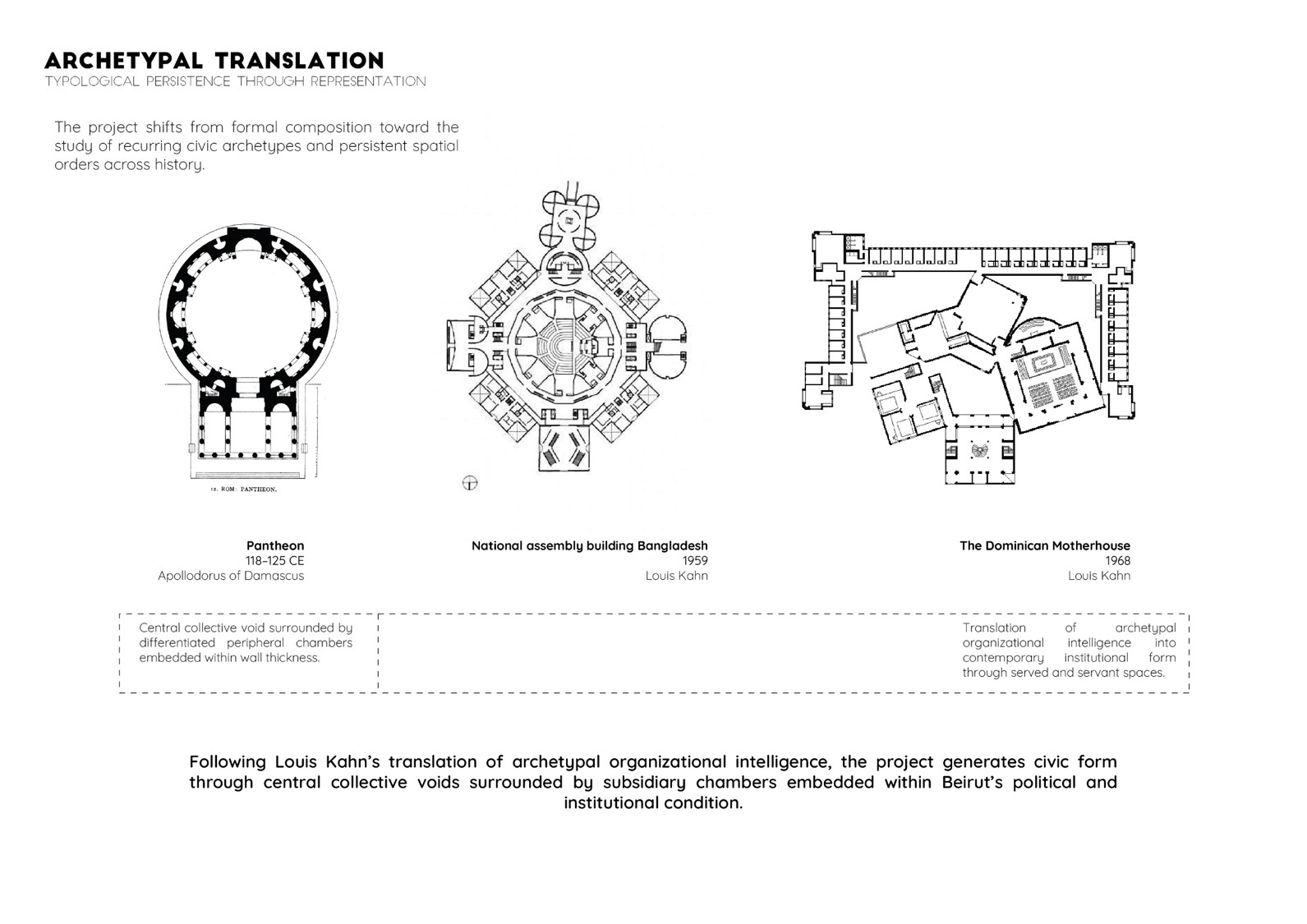
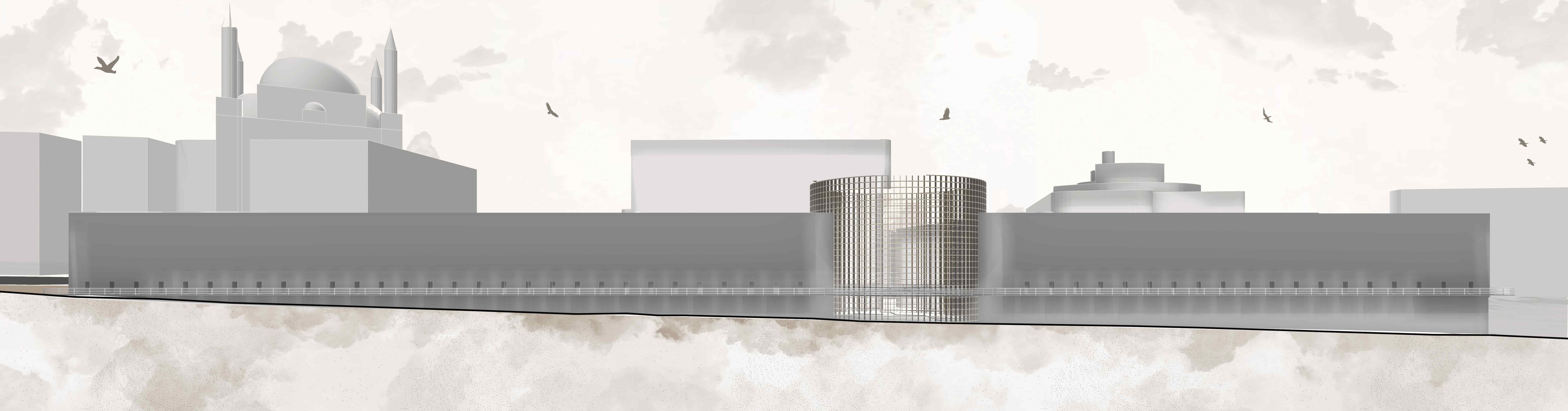
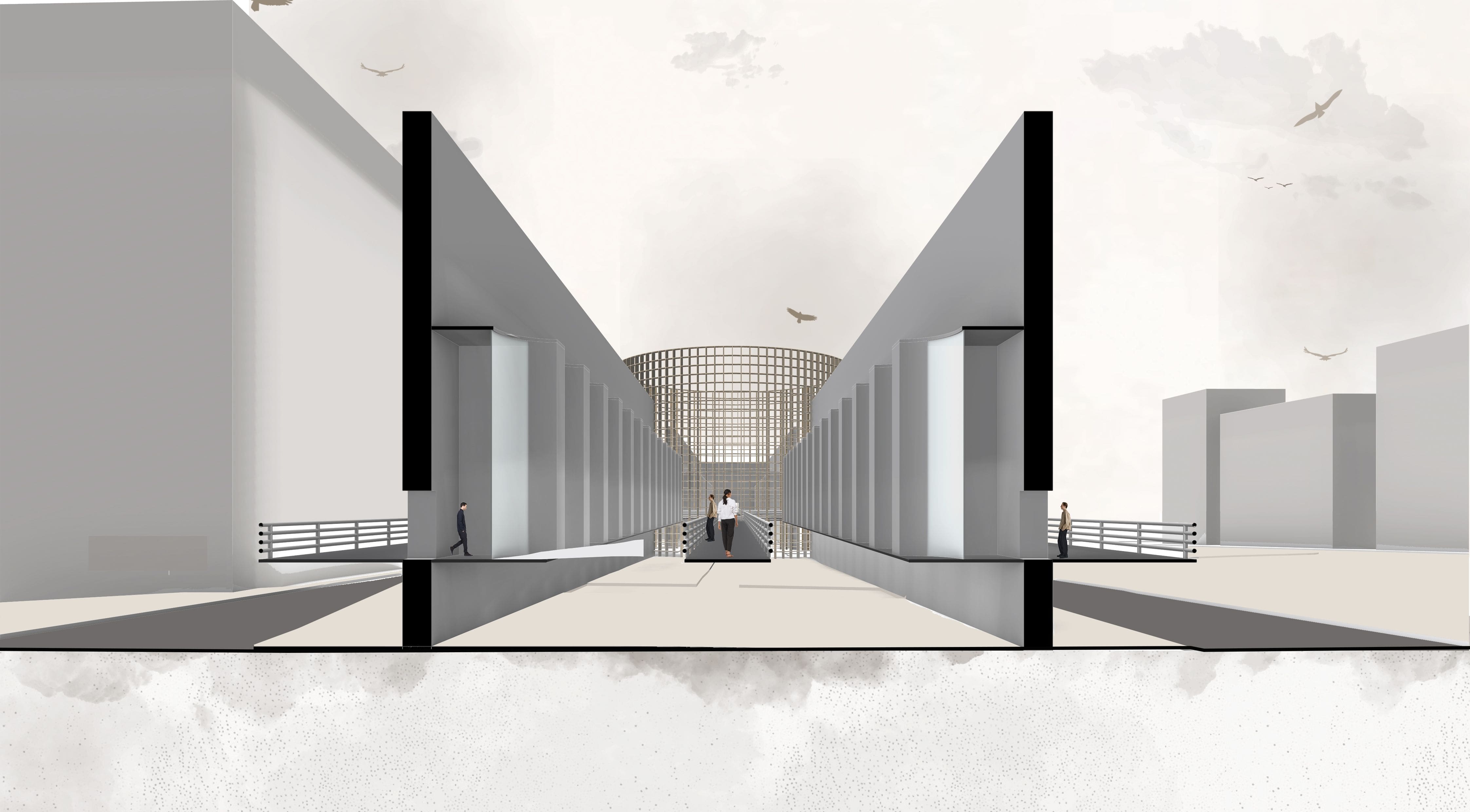
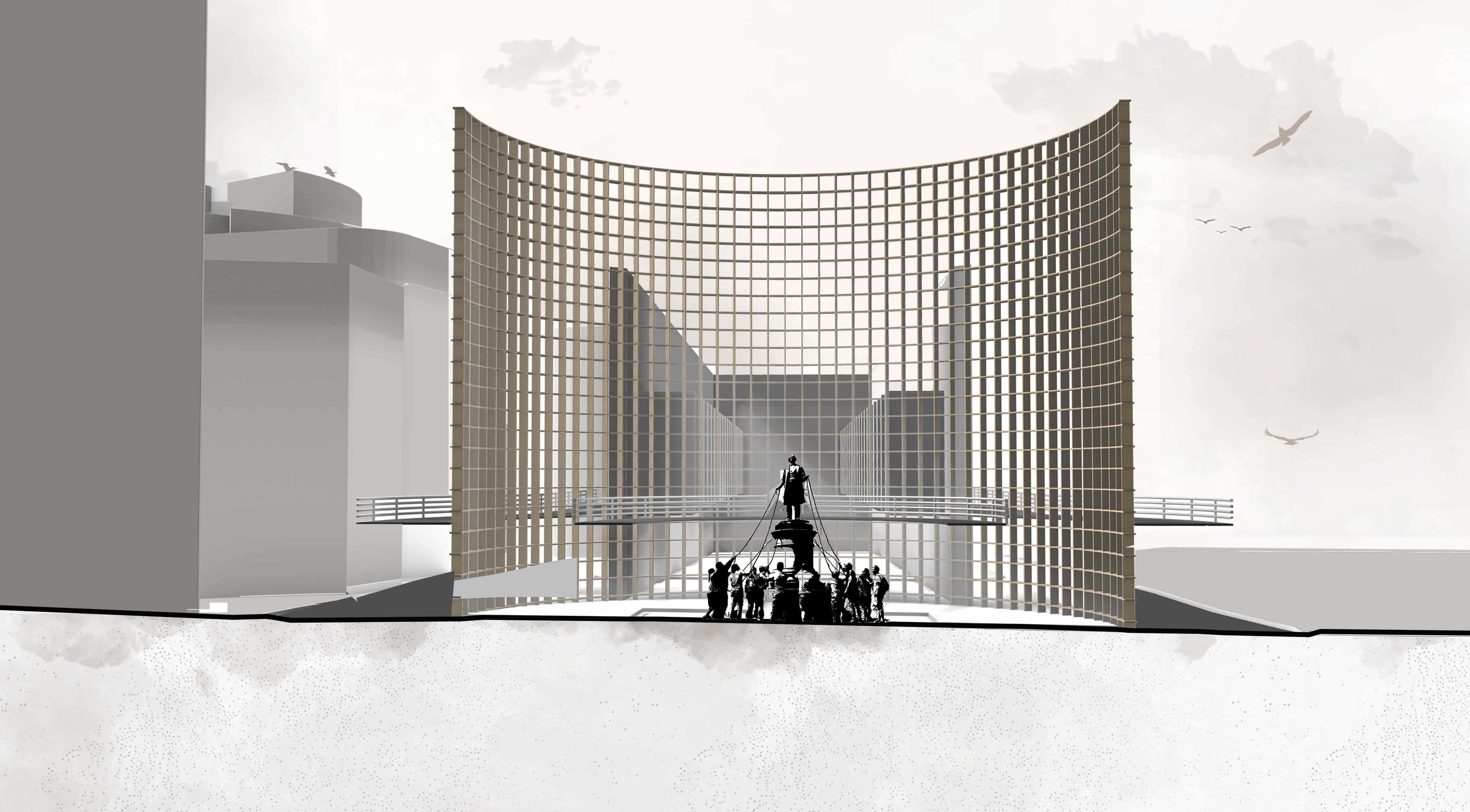
Accordingly, Achrafieh becomes a Free Media Institution, Bashoura becomes a Court, and Burj Hammoud becomes a Prison, each generated through the reinterpretation of a civic archetype transformed by its site's mechanisms of governance. Rather than functioning as isolated buildings, these institutions operate as distributed civic organs within a larger urban system. Martyrs' Square becomes the central civic body of the Monster. Rather than introducing a new institutional type, it gathers and recomposes architectural fragments extracted from the peripheral interventions. Organizational logics, spatial sequences, and civic archetypes developed within the media institution, court, and prison are assembled into a single composite civic apparatus that represents the collective body of governance. The center therefore does not dominate the periphery; instead, it is constituted by it. The Monster emerges through the accumulation of its distributed organs, revealing authority not as a singular institution but as an interconnected civic system embedded across Beirut. Architecture therefore becomes more than a form of representation. It becomes an instrument of civic confrontation that transforms hidden mechanisms of governance into explicit spatial experience, making visible the hidden structures that shape collective life.