
Post by Ali Mzannar

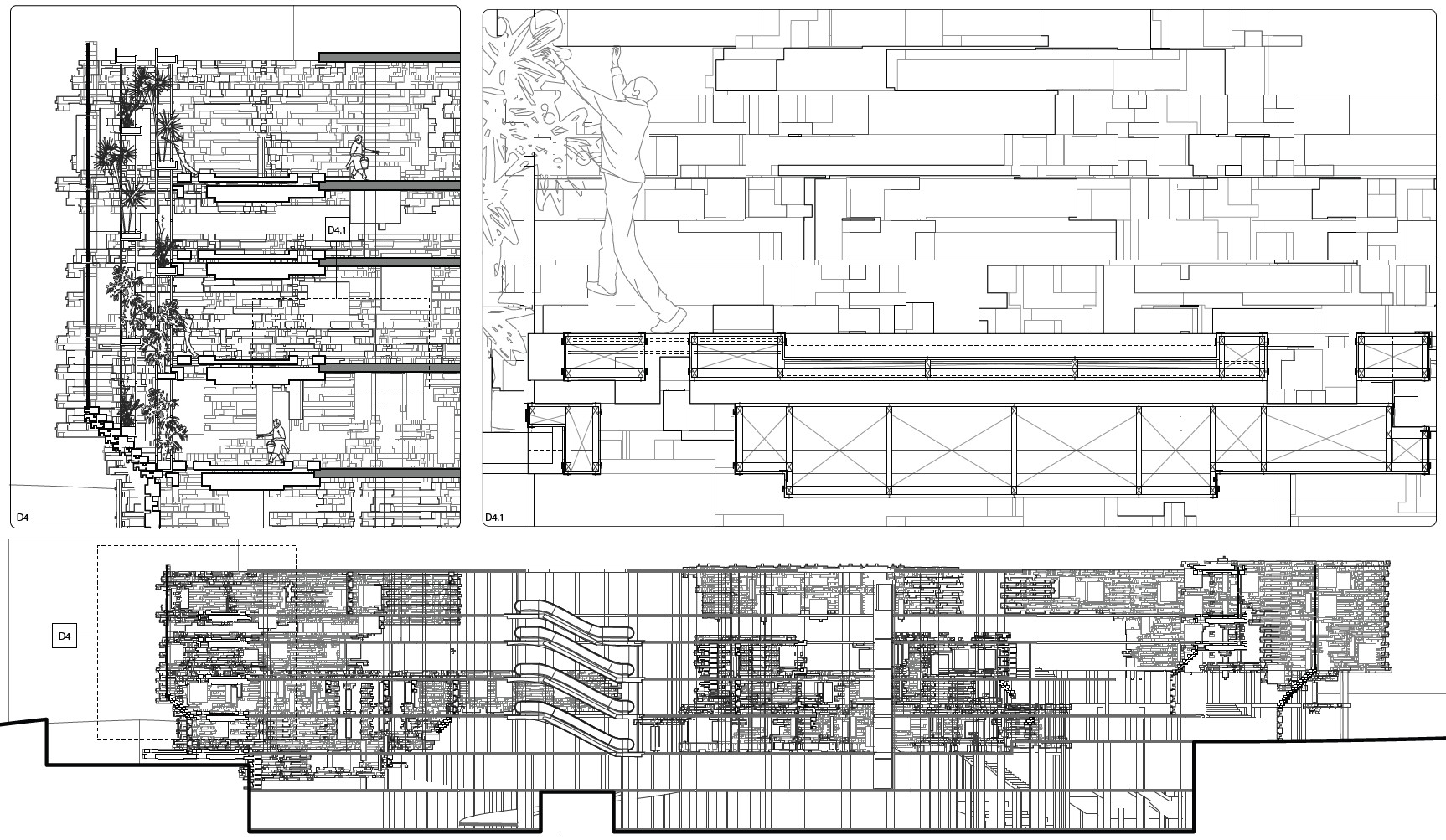
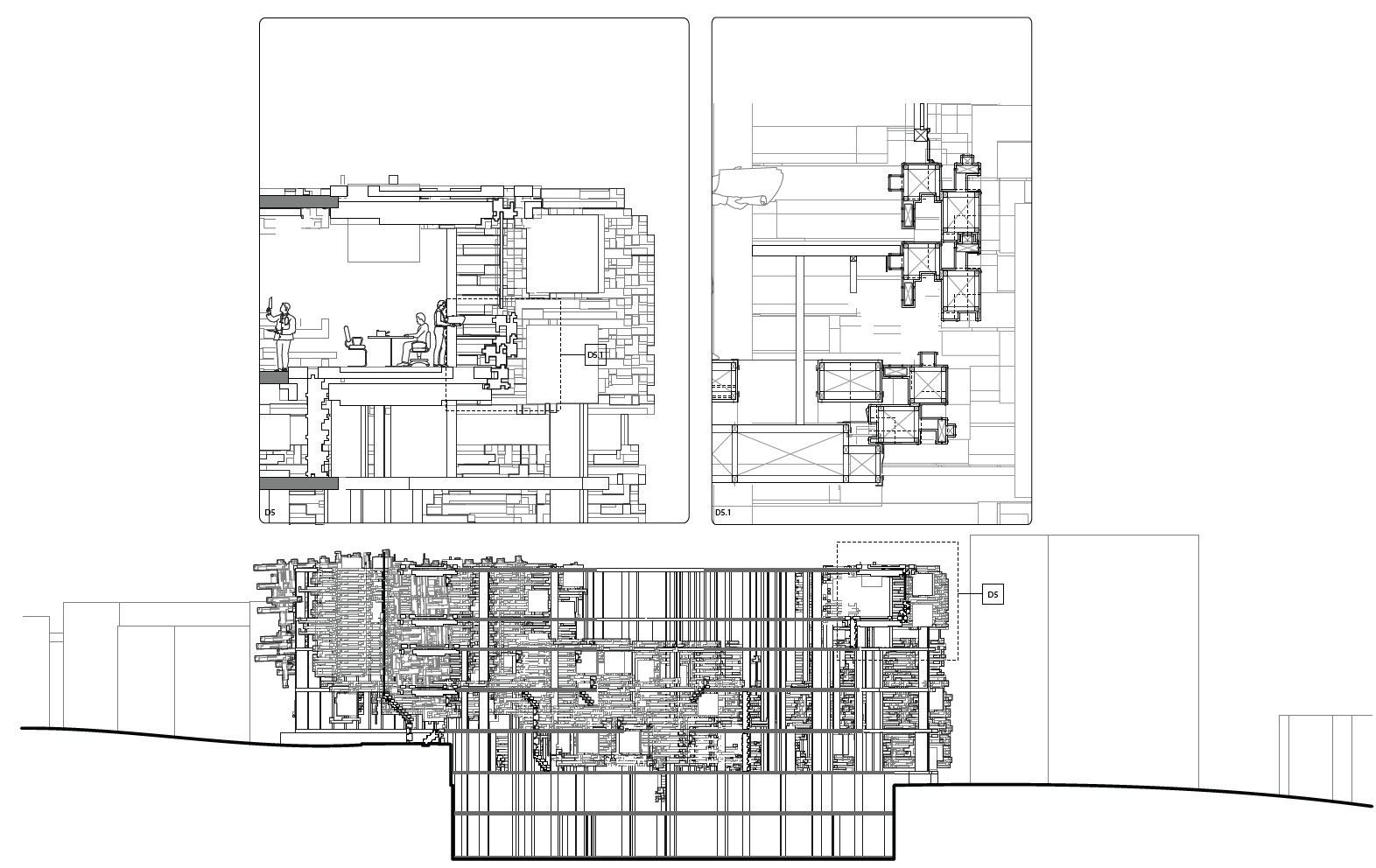
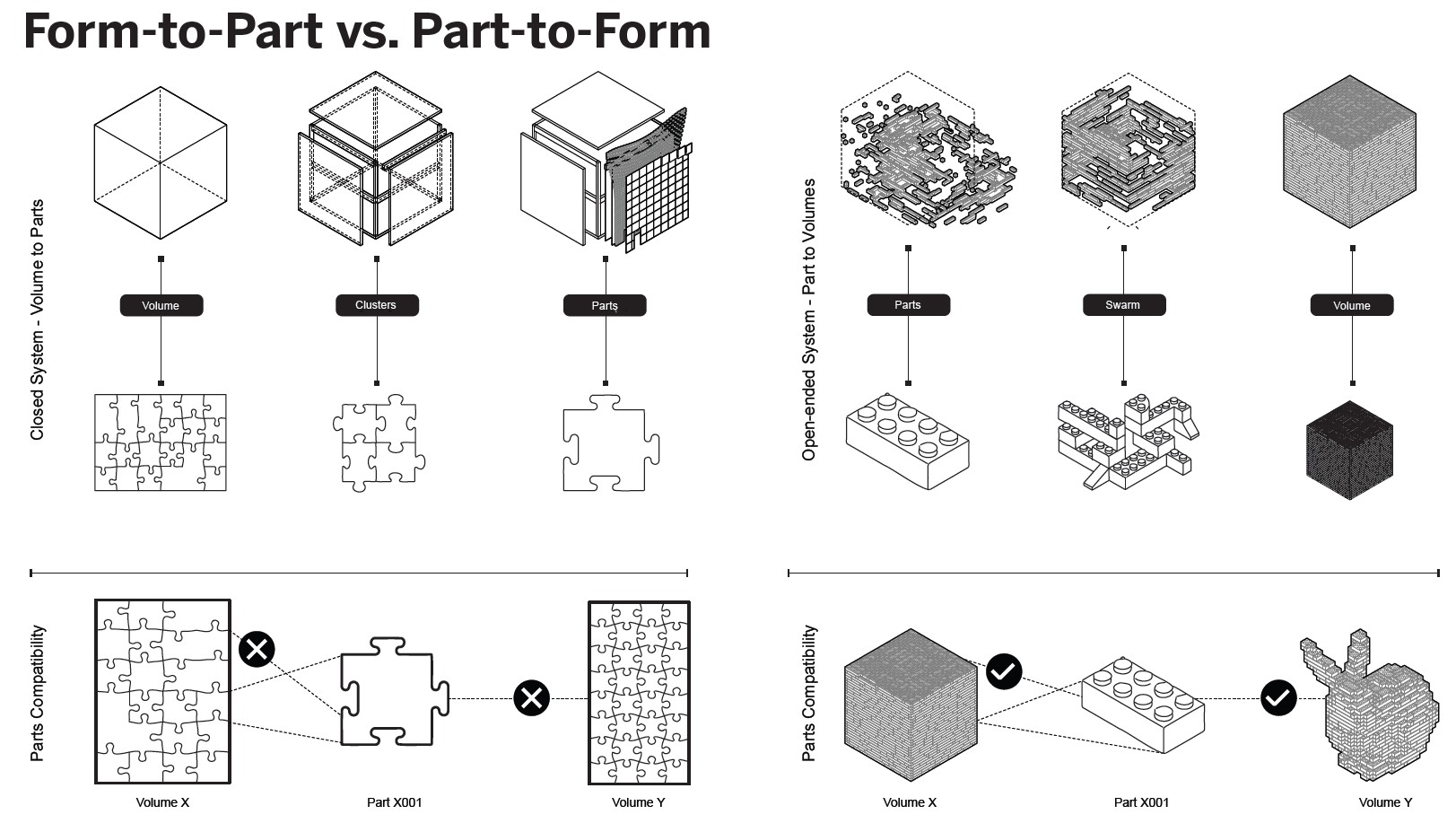
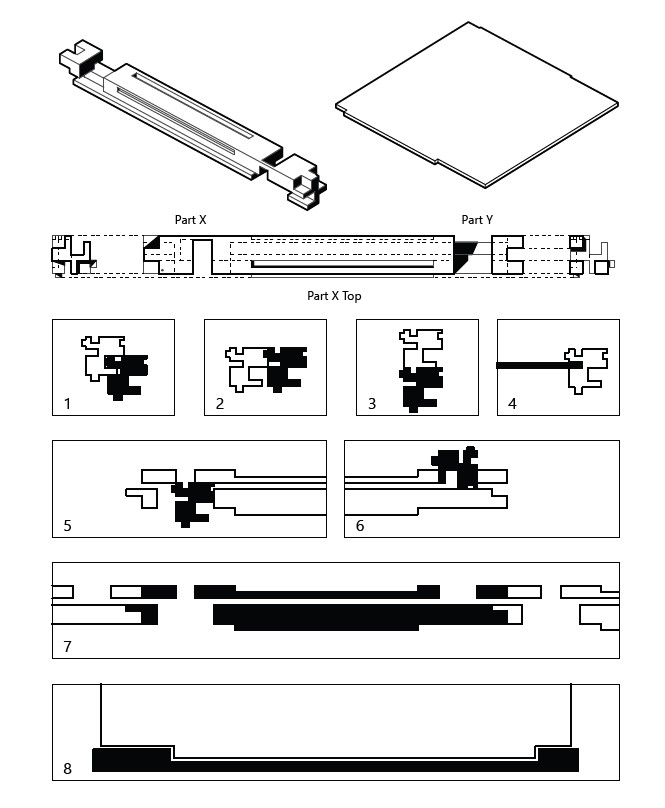
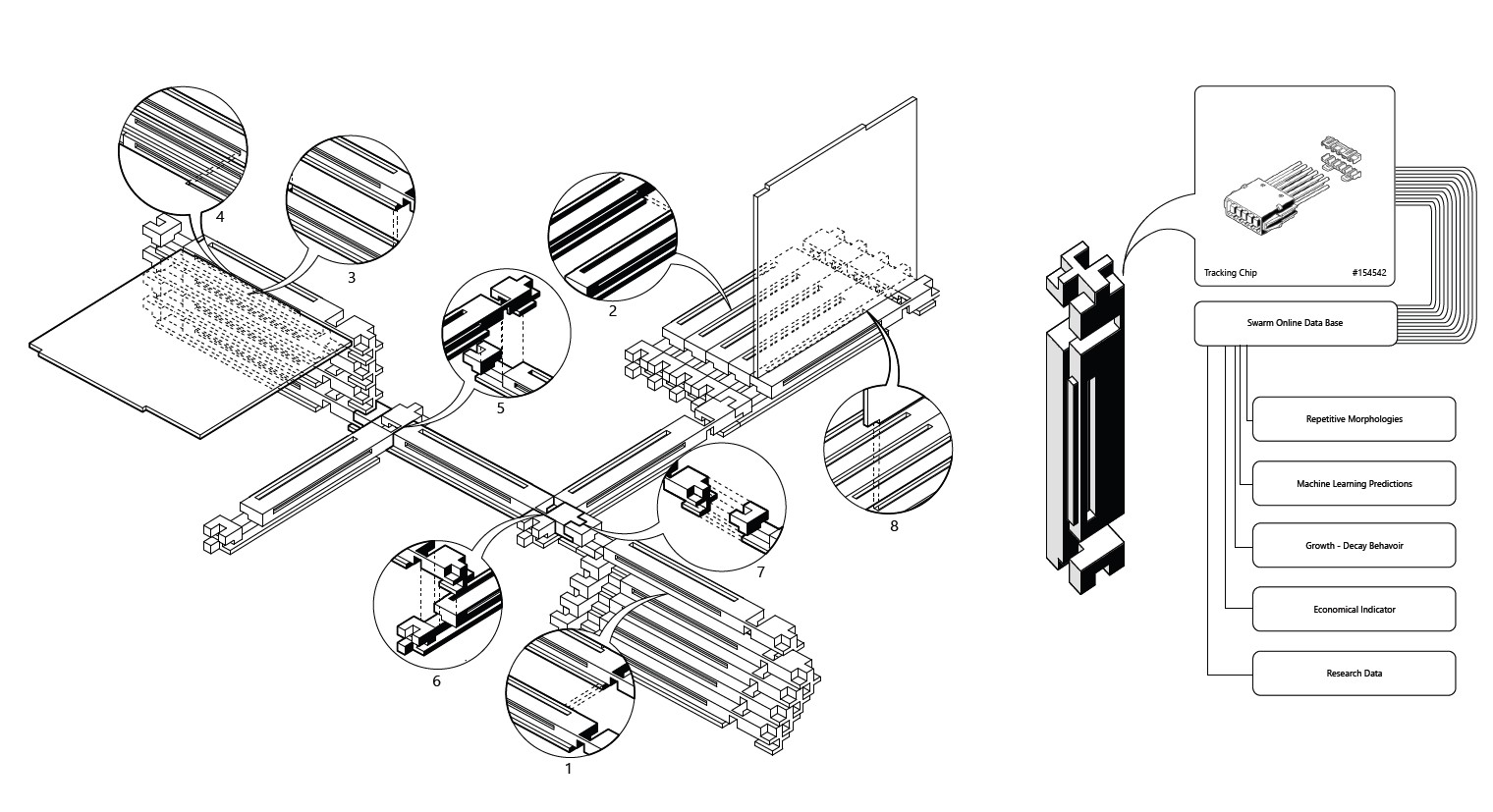
The project Swarmitecture explores a new architectural methodology based on evolutionary adaptation and granular assembly systems, proposing a dynamic form of architecture capable of continuously responding to environmental, spatial, and social change. Rather than conceiving architecture as a fixed and static object, the project investigates how modular parts can evolve collectively through swarm intelligence and self-organizing systems. Located within an adaptive research and experimental context, the project positions itself as both an architectural prototype and a speculative urban strategy, where flexibility, responsiveness, and growth become the core identity of the built environment. Through computational simulations and aggregation logics, the project challenges conventional construction methods and introduces an alternative vision of architecture as a living and evolving organism.
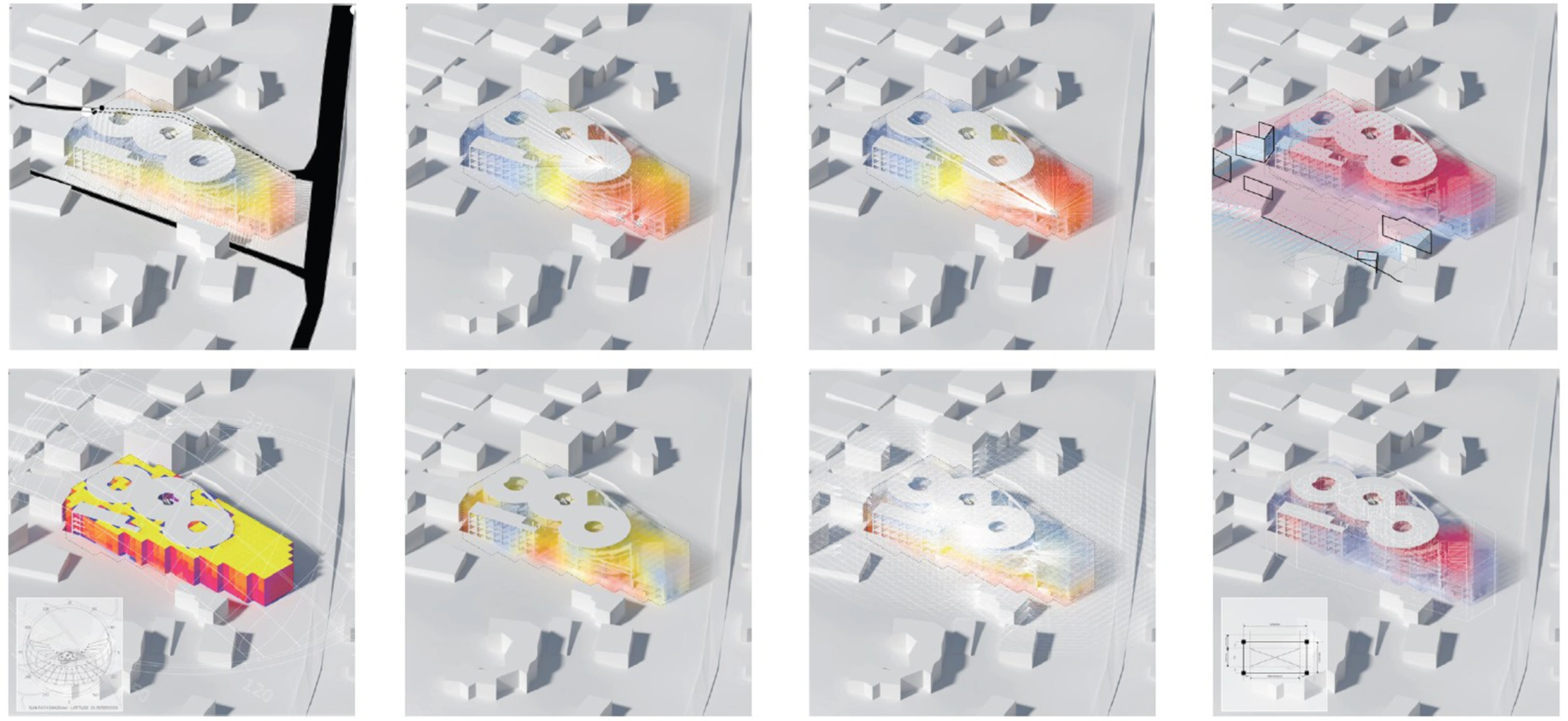
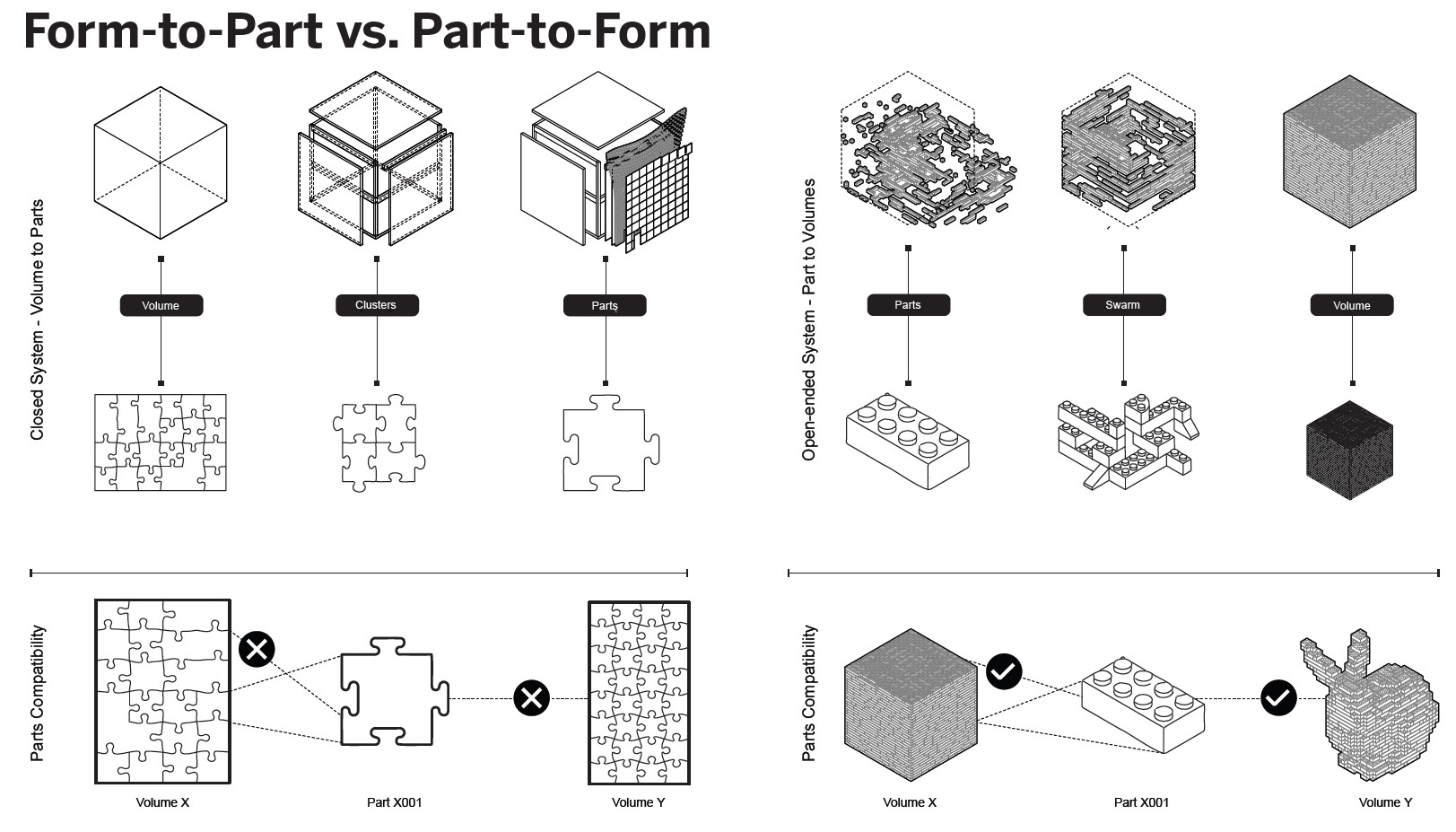
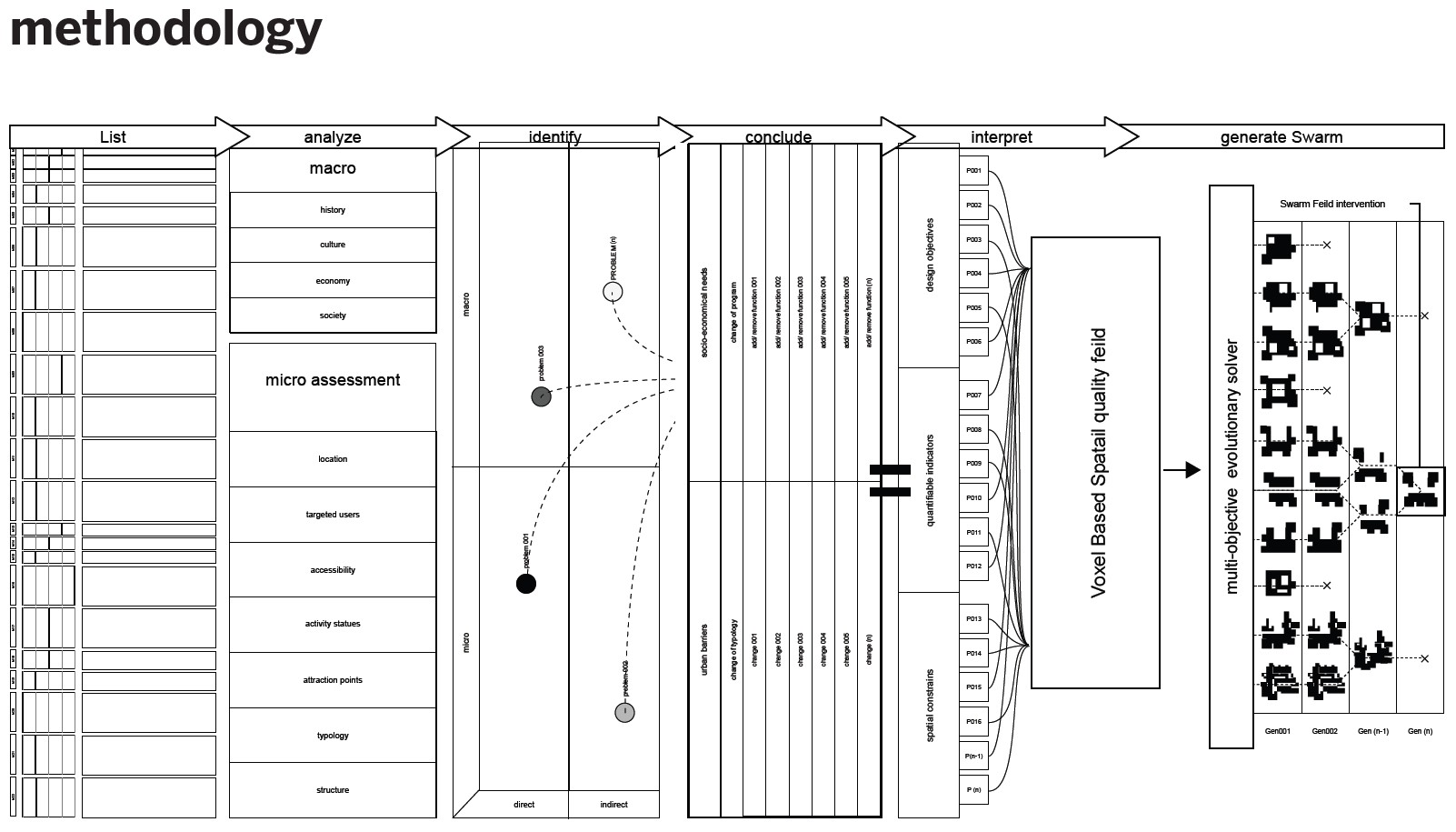
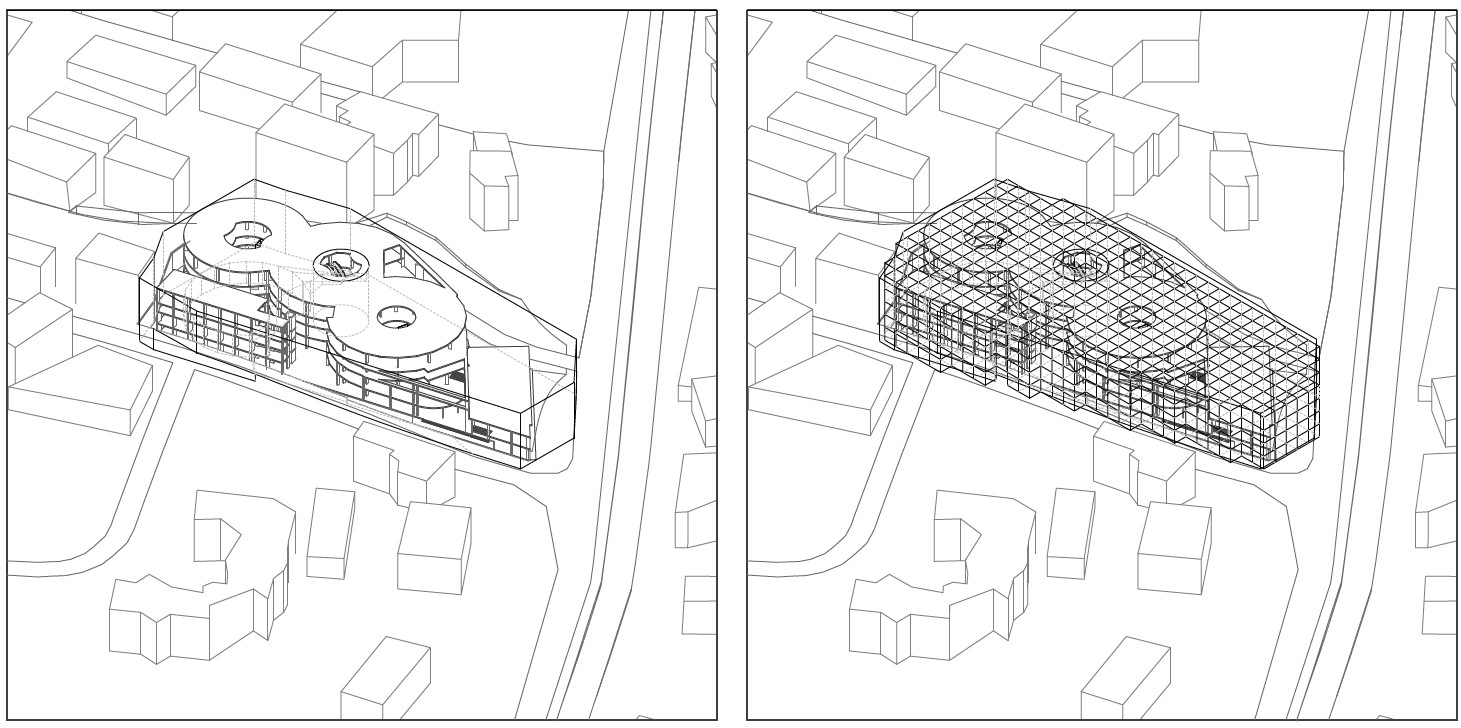
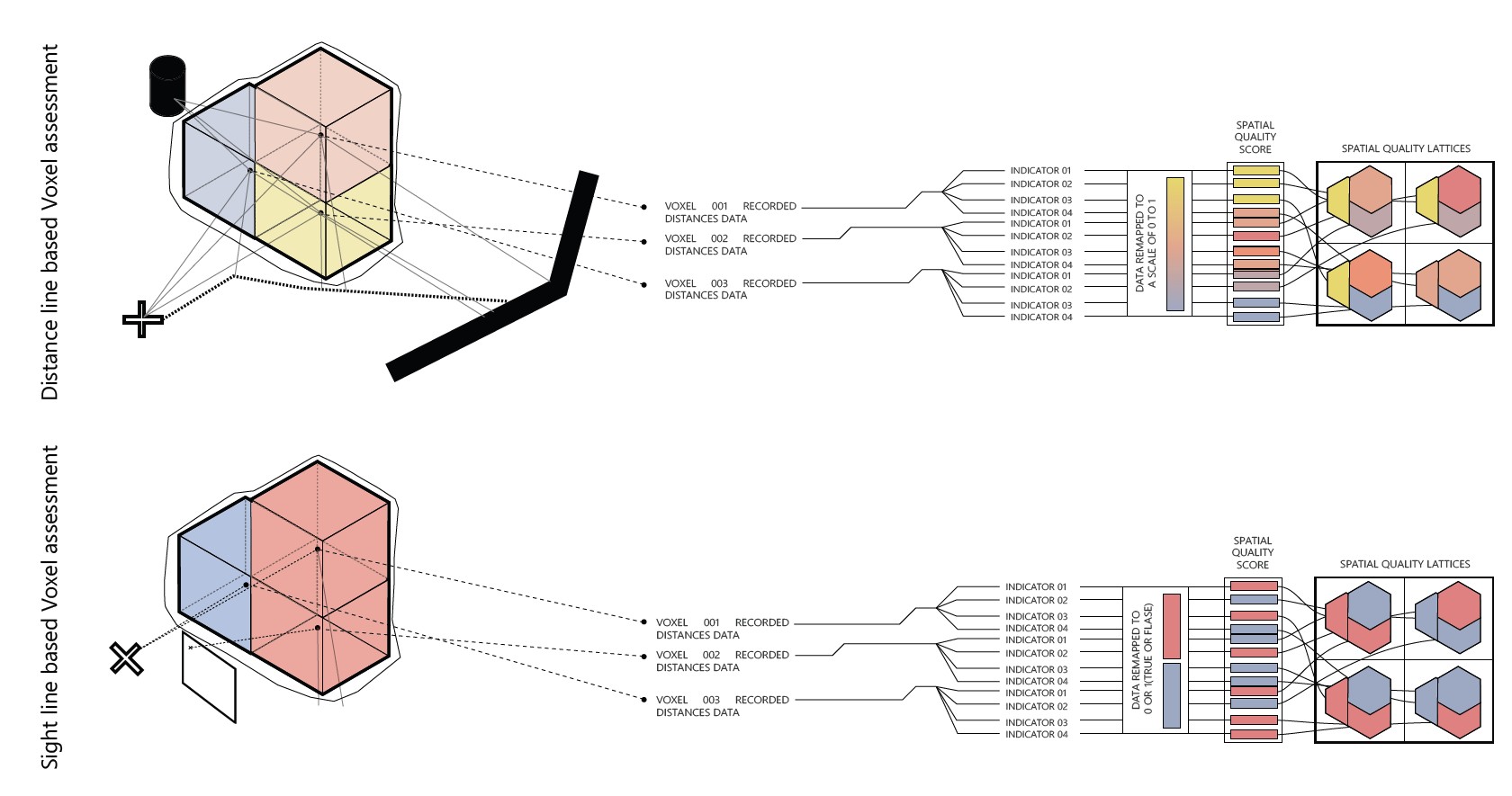
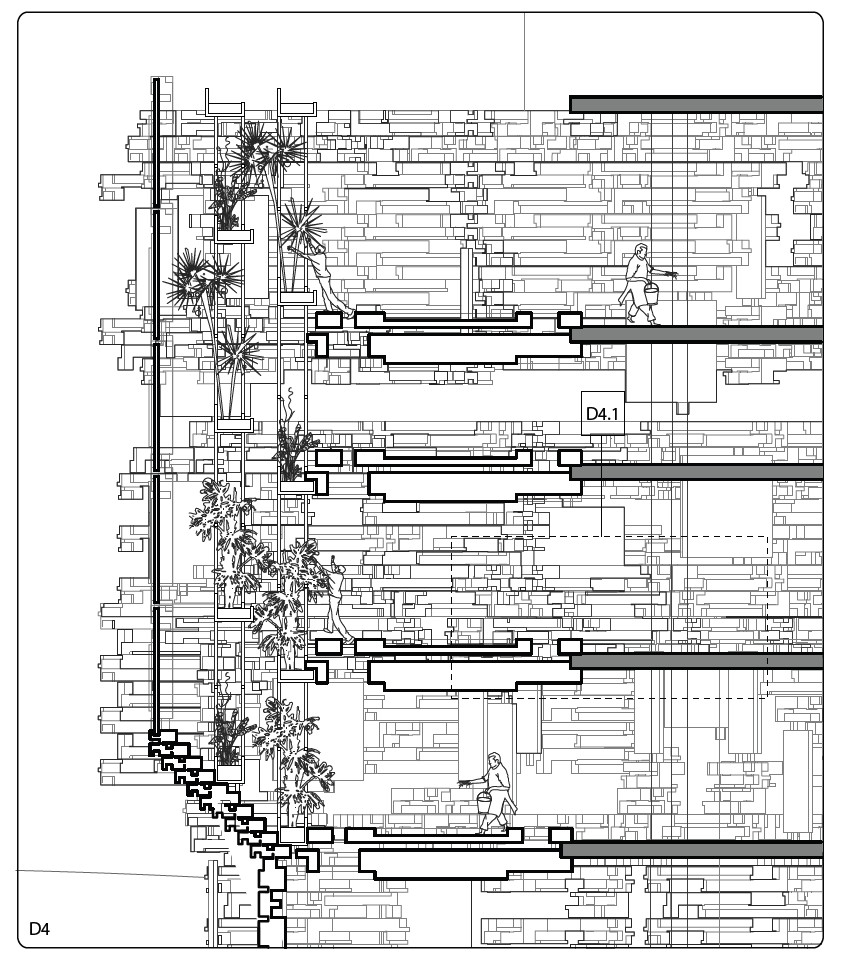
The architectural concept is inspired by the behavior of natural swarms and granular formations, where individual components interact through simple rules to create complex spatial organizations. The project’s central principle lies in the idea of collective intelligence, where countless modular units operate together as a unified adaptive system. This logic becomes the “heart” of the design, generating spaces that evolve according to functional needs and environmental conditions. The project is organized through layered spatial assessments and optimization processes that define zones of density, circulation, structural performance, and spatial occupation. Public, connective, and inhabitable layers emerge from the aggregation of smaller modular particles, creating a continuously transforming architectural landscape. The methodology combines computational analysis, swarm simulations, and optimization diagrams to establish a responsive architectural ecosystem capable of producing multiple spatial outcomes from the same generative system.
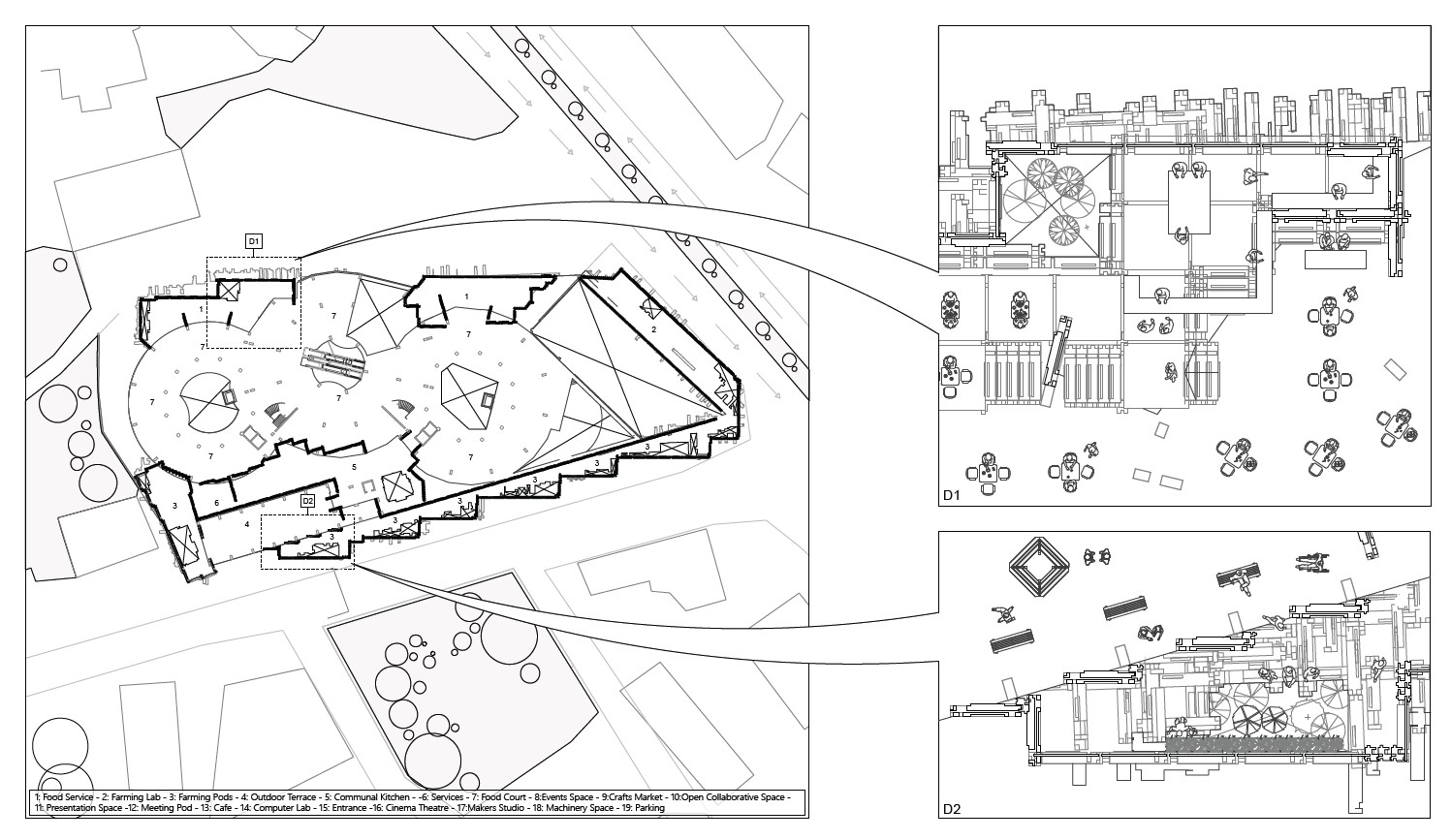
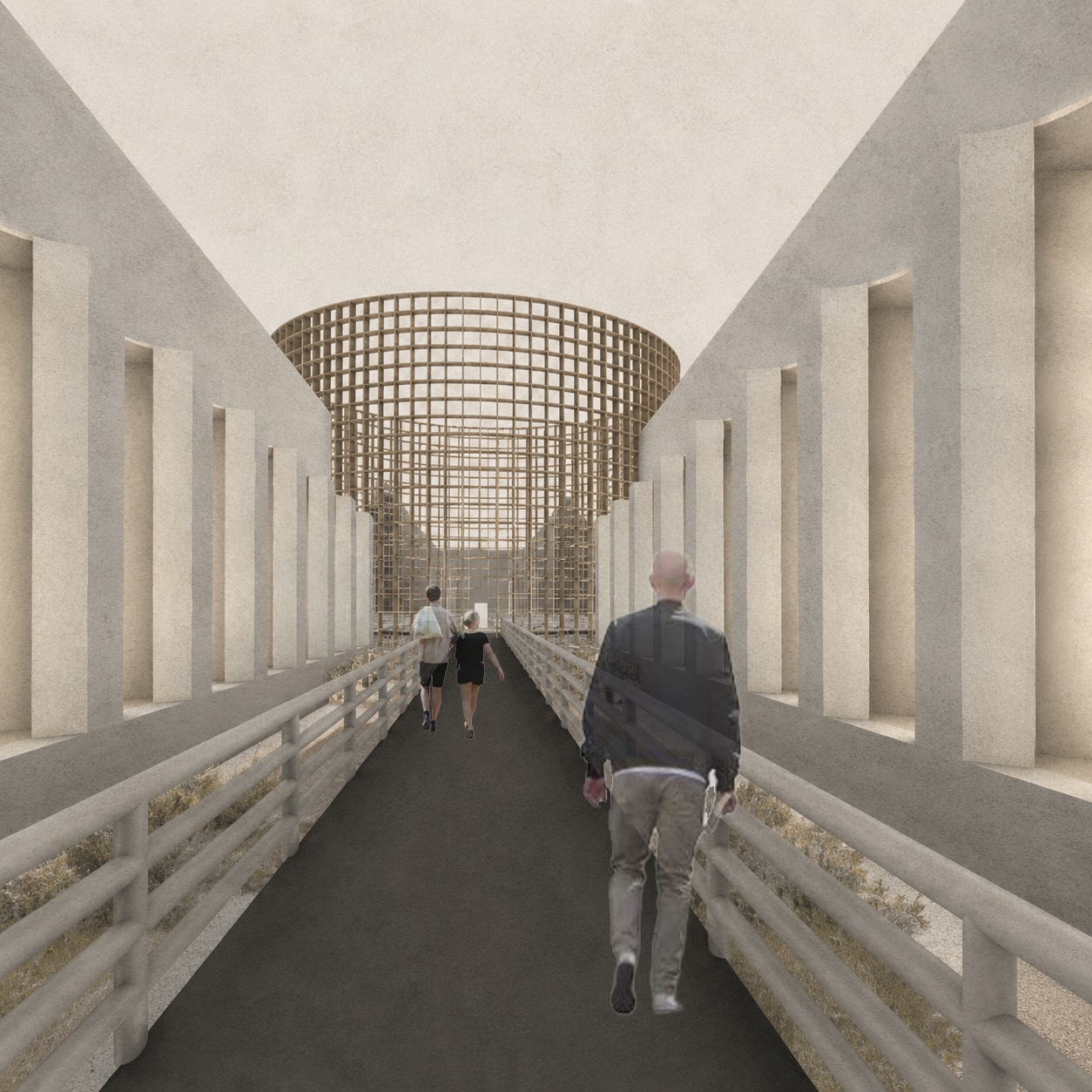
The spatial experience of the project is defined by fluid movement and continuous transitions between dense and open environments. Users navigate horizontally through interconnected granular fields while vertical circulation emerges organically through layered assemblies and structural voids embedded within the swarm formations. Transitional spaces act as moments of interaction between structure, light, and movement, enhancing the perception of architecture as an evolving spatial network rather than a conventional building. The fragmented yet interconnected nature of the system creates constantly changing visual and physical experiences, where circulation becomes exploratory and adaptive. Ultimately, Swarmitecture reflects a vision of architecture that is no longer rigid or permanent, but instead intelligent, responsive, and capable of growth. Through its biomimetic logic, computational methodology, and modular identity, the project redefines the relationship between architecture, technology, and evolution.