
Post by Yara mneihnmih
In Lebanon, infrastructure no longer operates as a collective system. Electricity, water, and waste services, once understood as public guarantees, have fractured into privatized, informal, and unequal networks. In the absence of a functioning state, access to basic services is no longer a right but a daily negotiation. Generators replace power grids, water trucks replace pipes, and improvised waste practices replace municipal systems. Infrastructure, rather than
connecting citizens, has become a mechanism of separation.
Yet this collapse has not resulted in urban paralysis. Across Lebanese cities, people have developed informal systems of repair, exchange, and mutual support that sustain everyday life. These practices, often framed as temporary solutions or acts of survival, reveal an alternative condition: infrastructure as lived practice. They demonstrate that infrastructure is not only material or technical, but social, spatial, and relational.
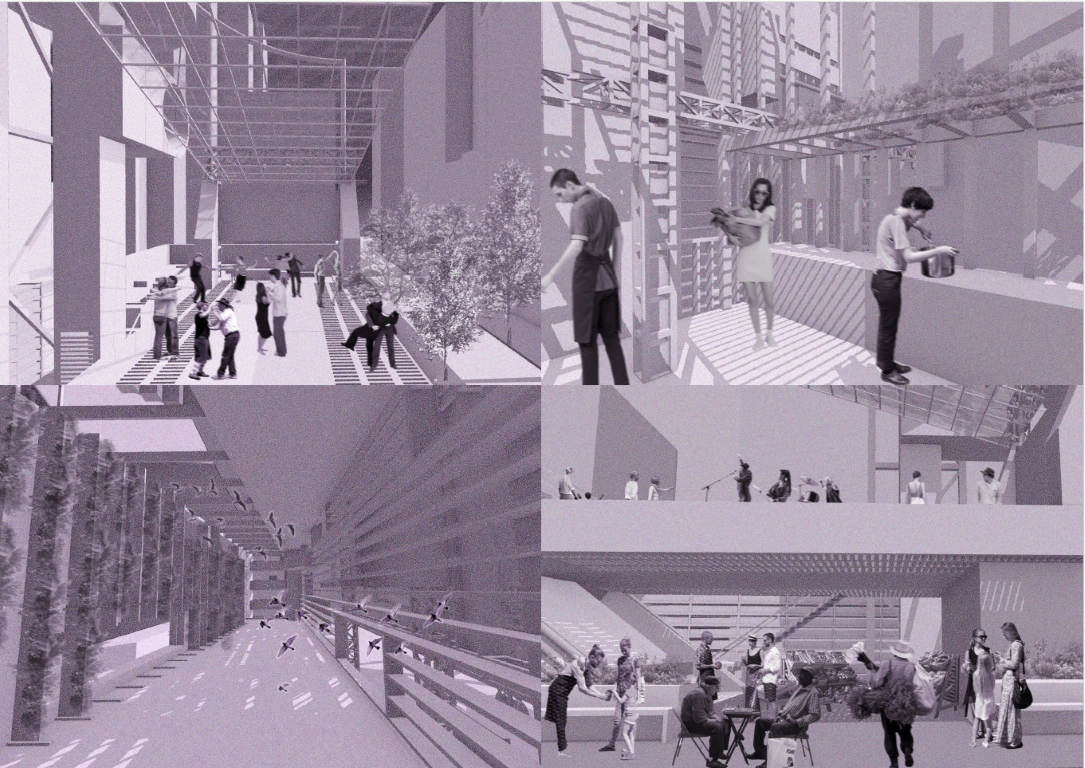
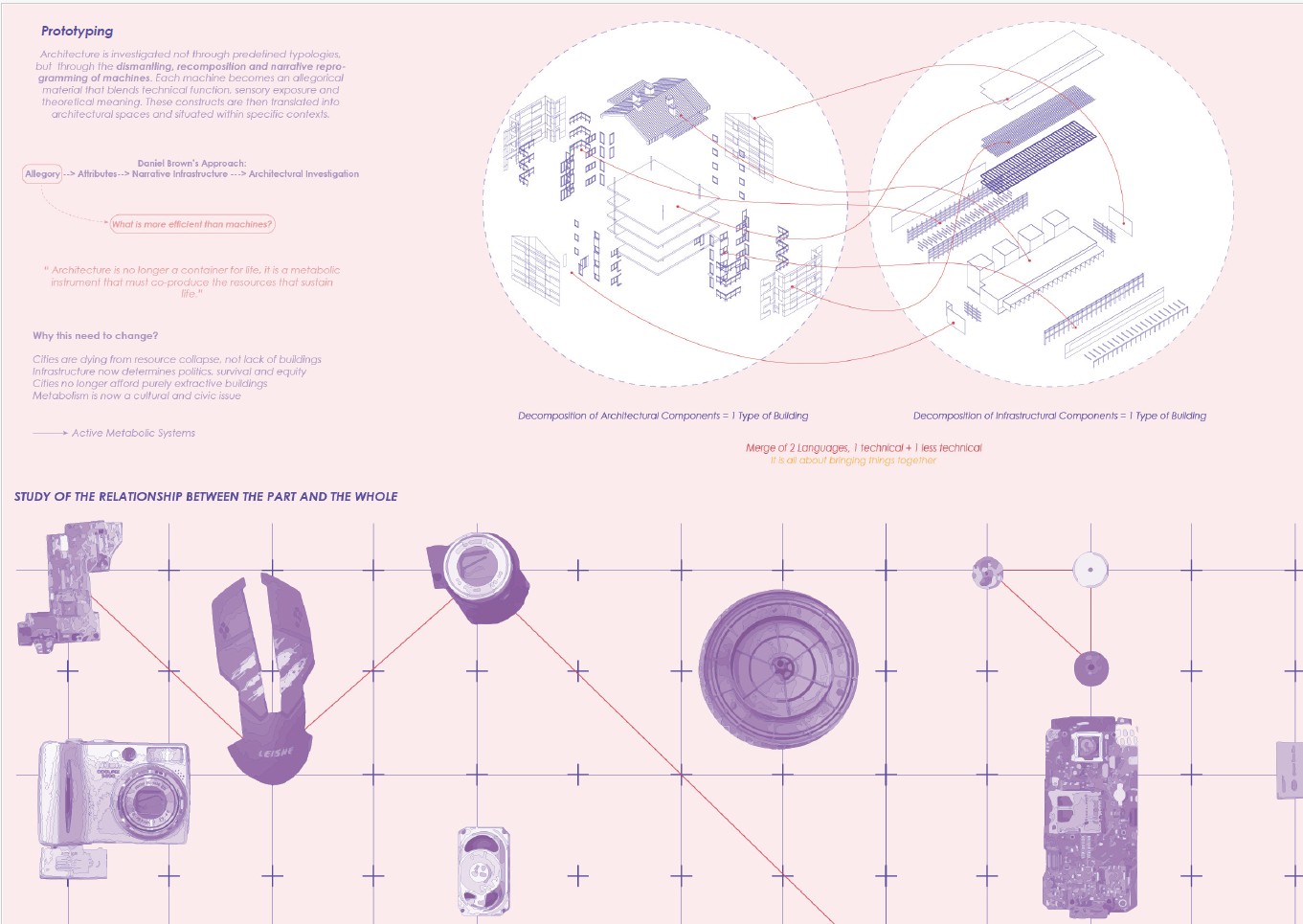
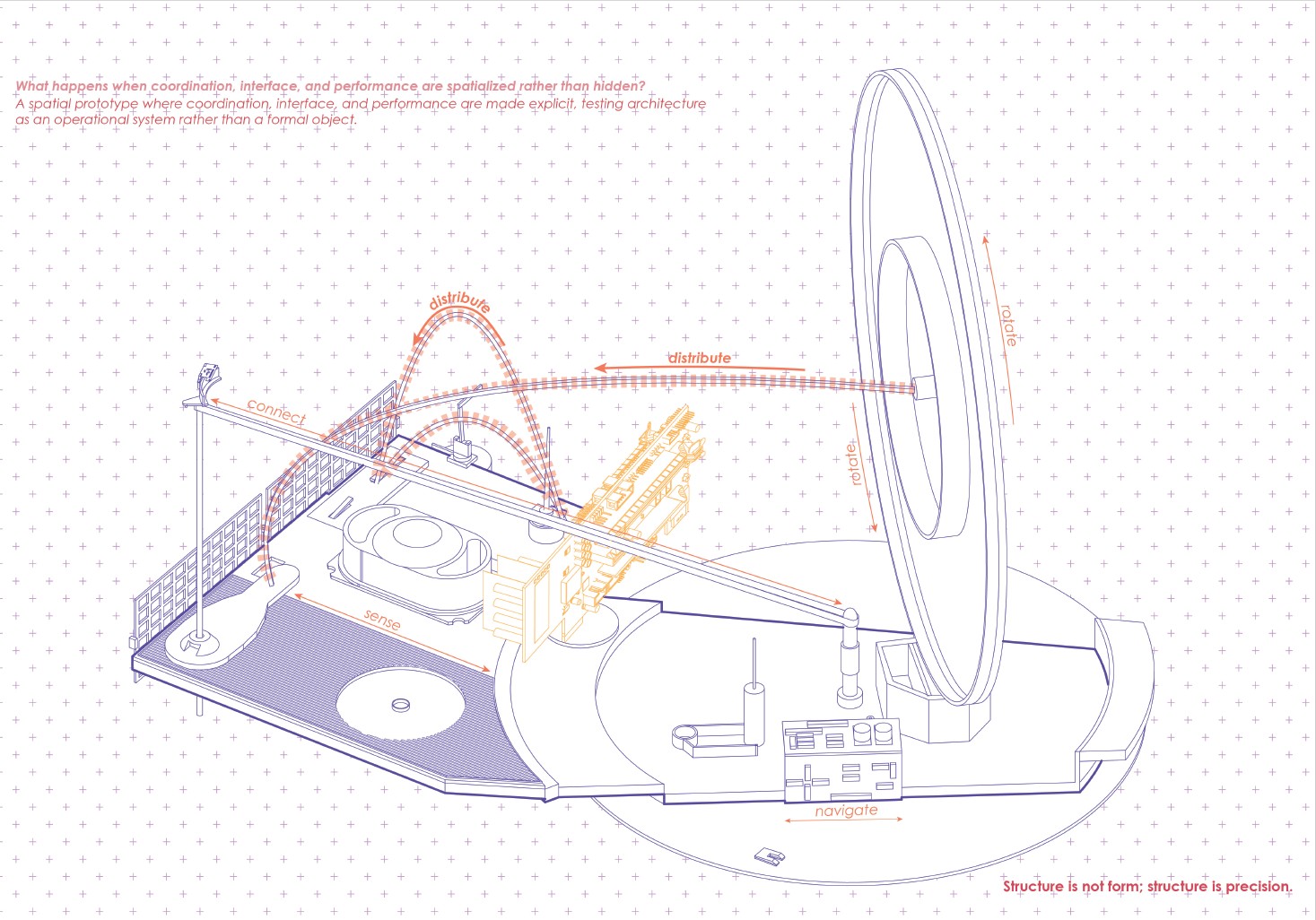
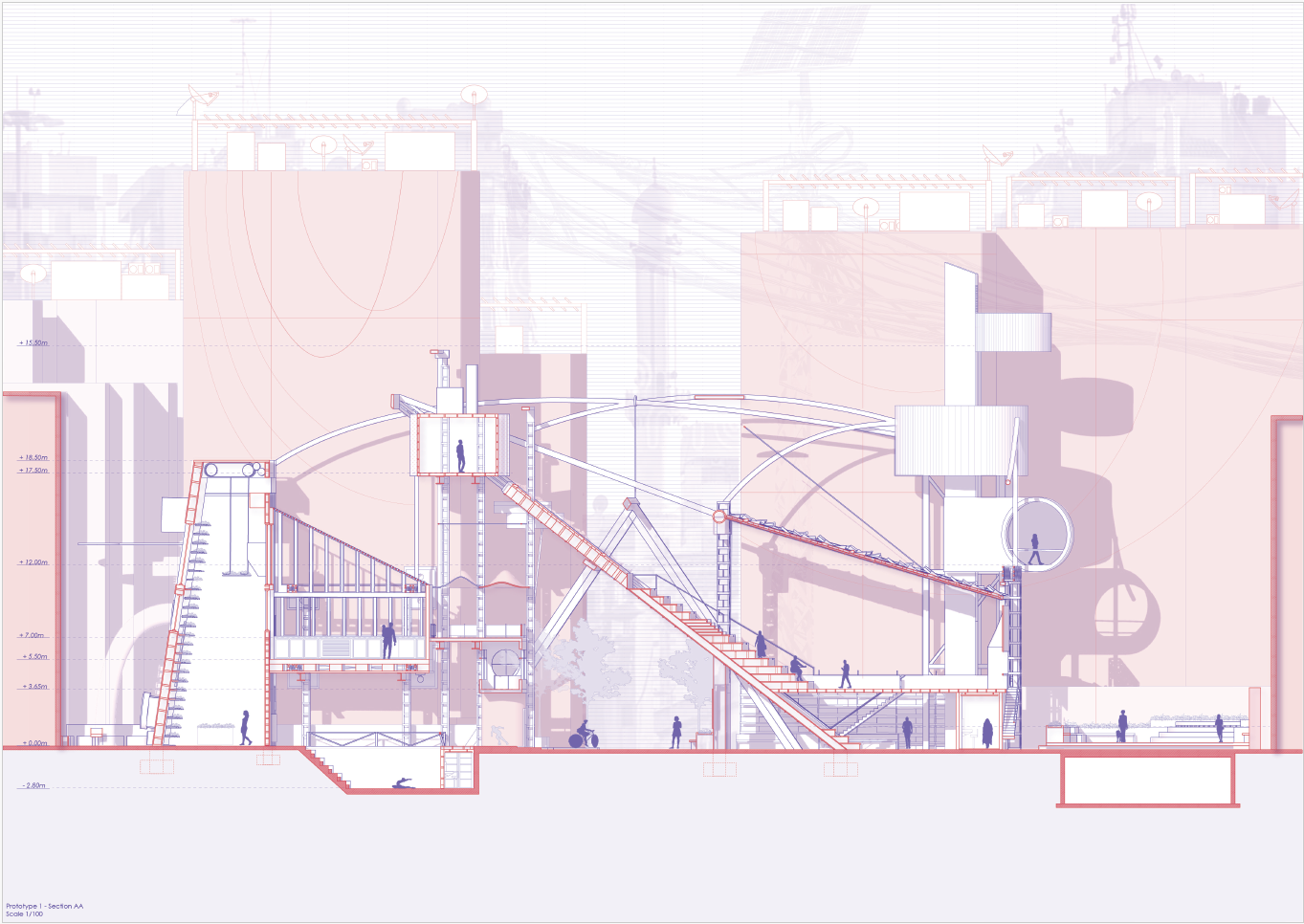
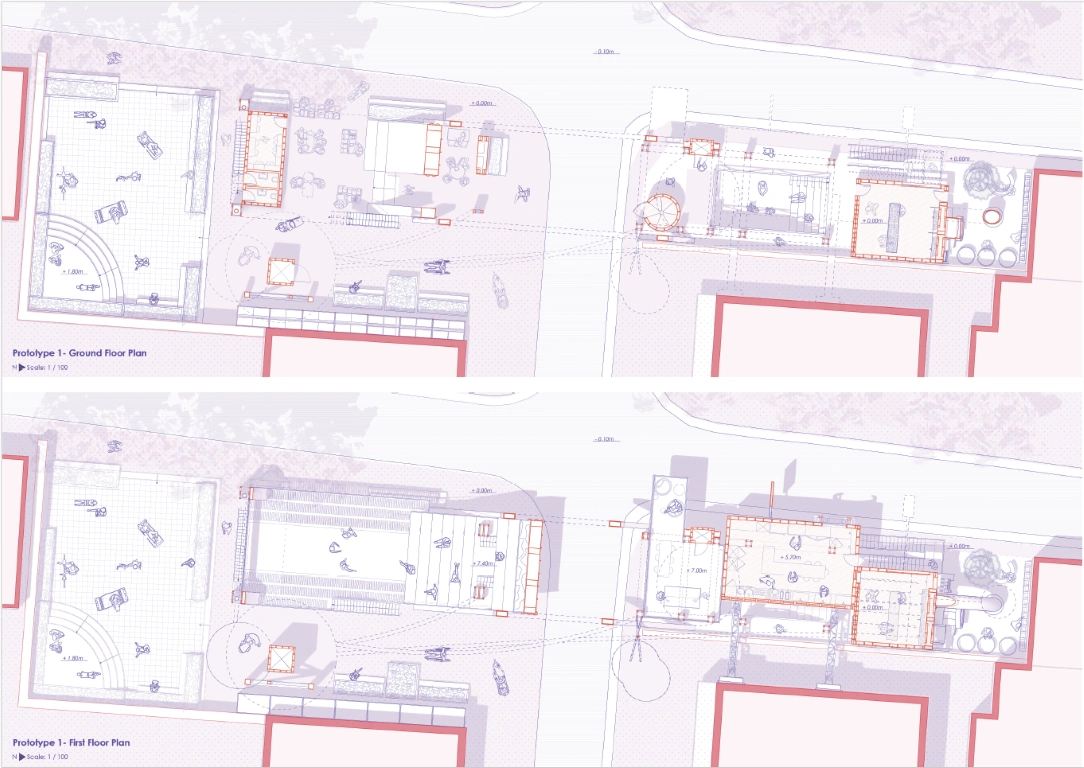
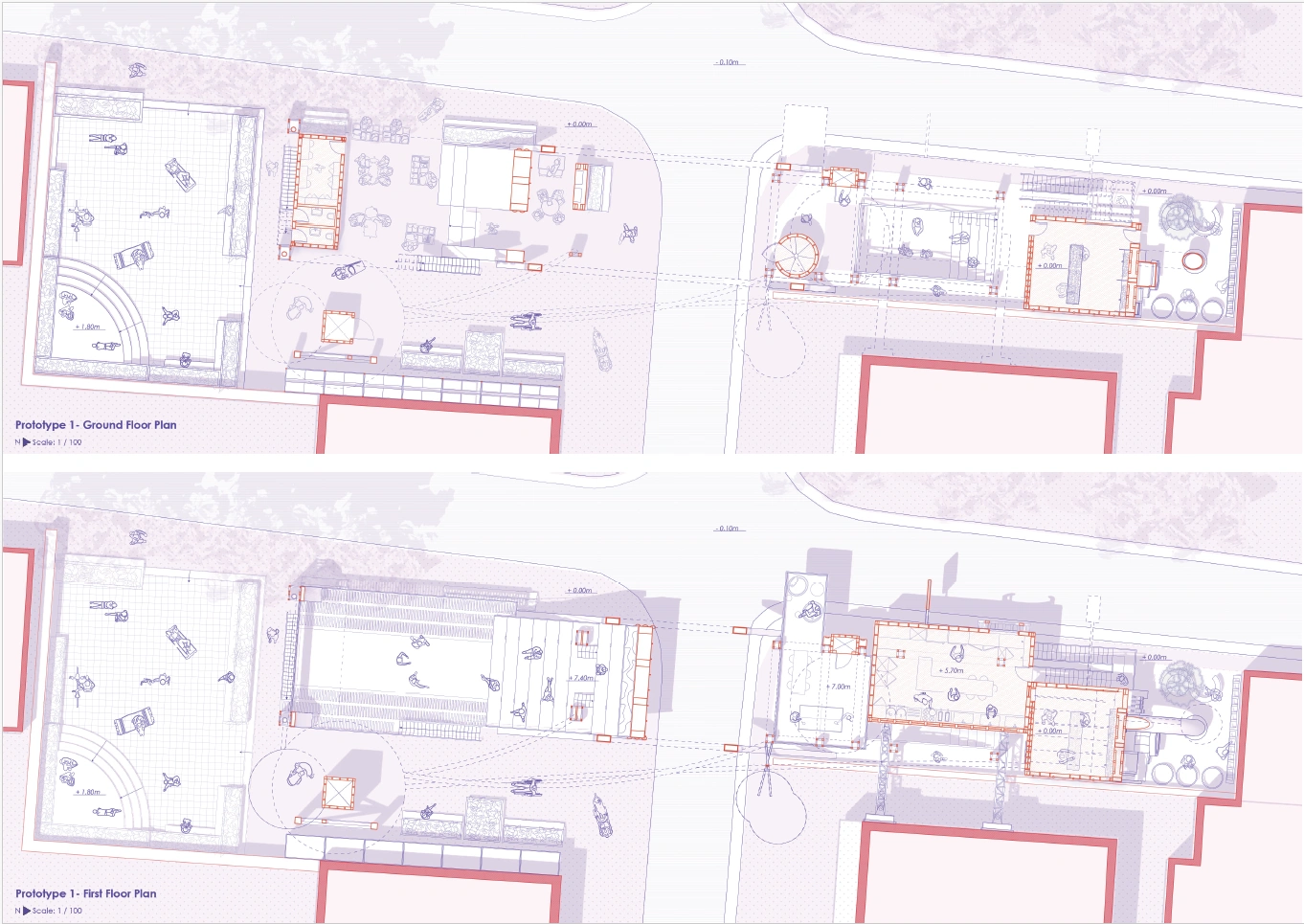
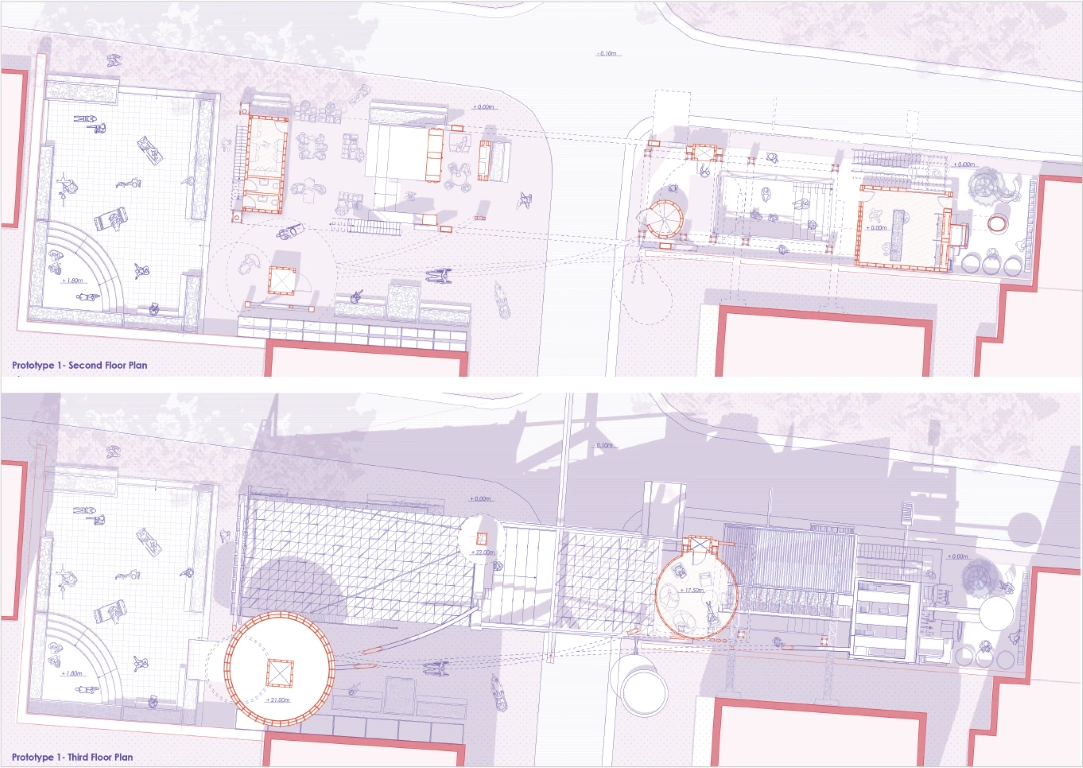
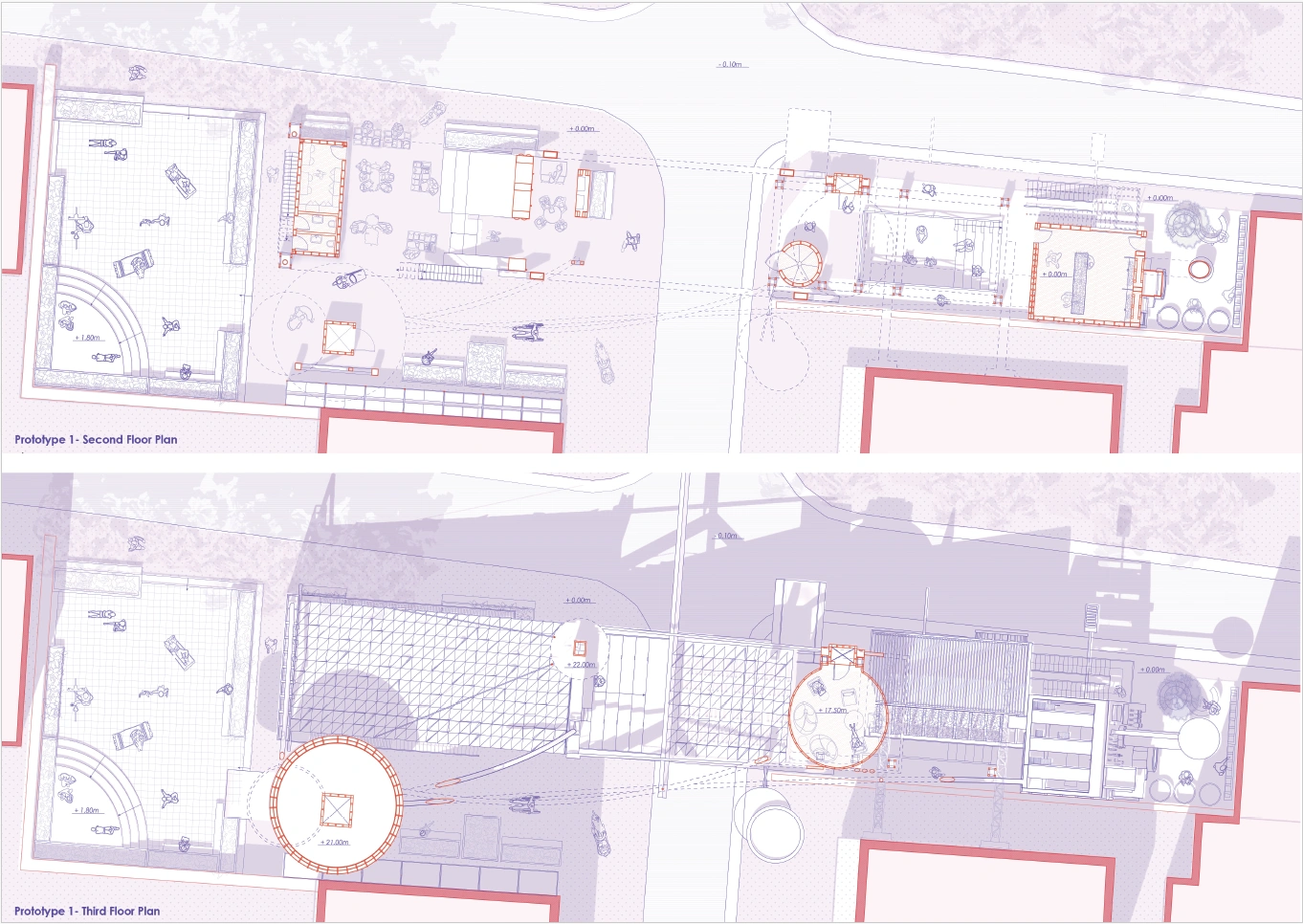
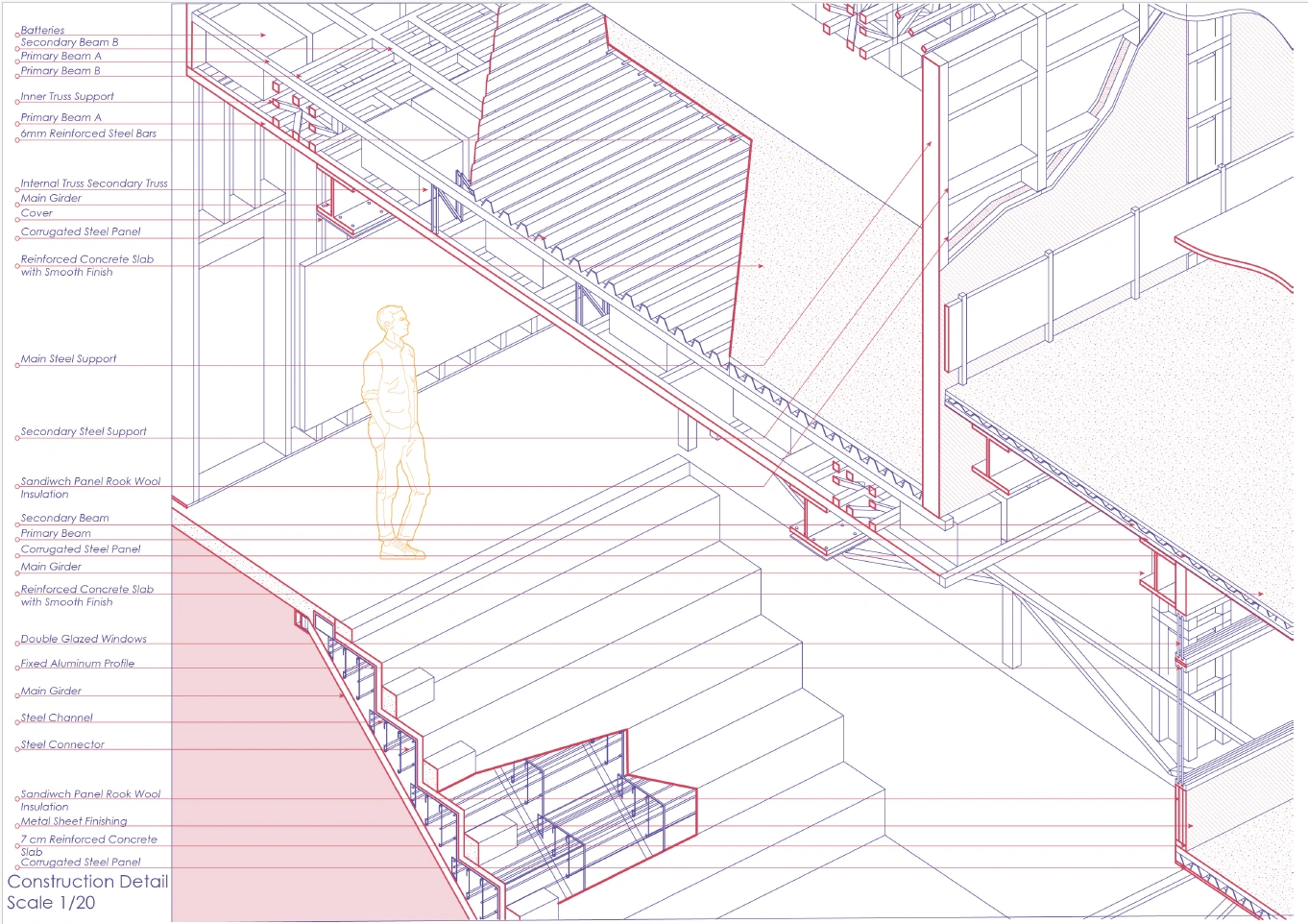
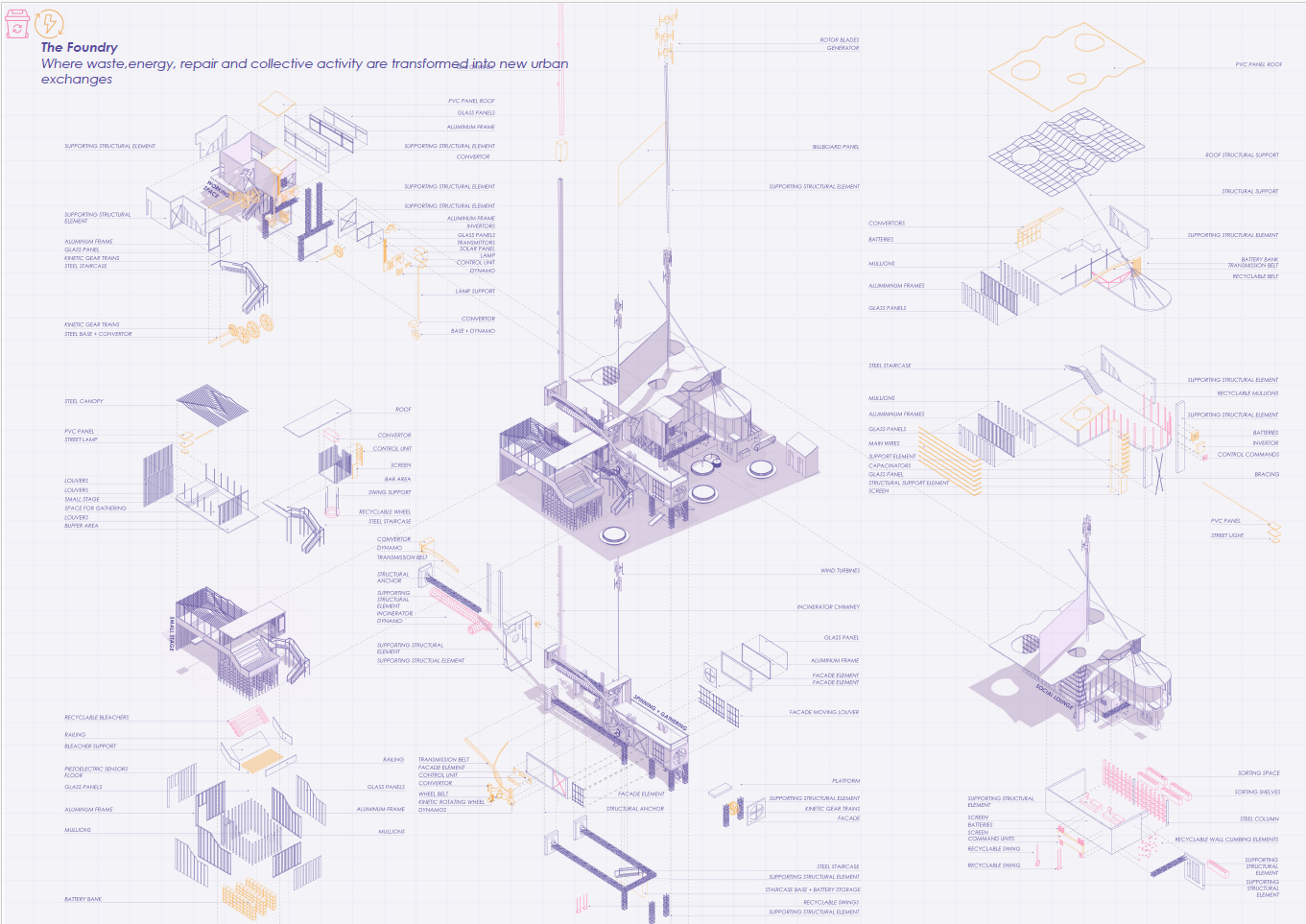
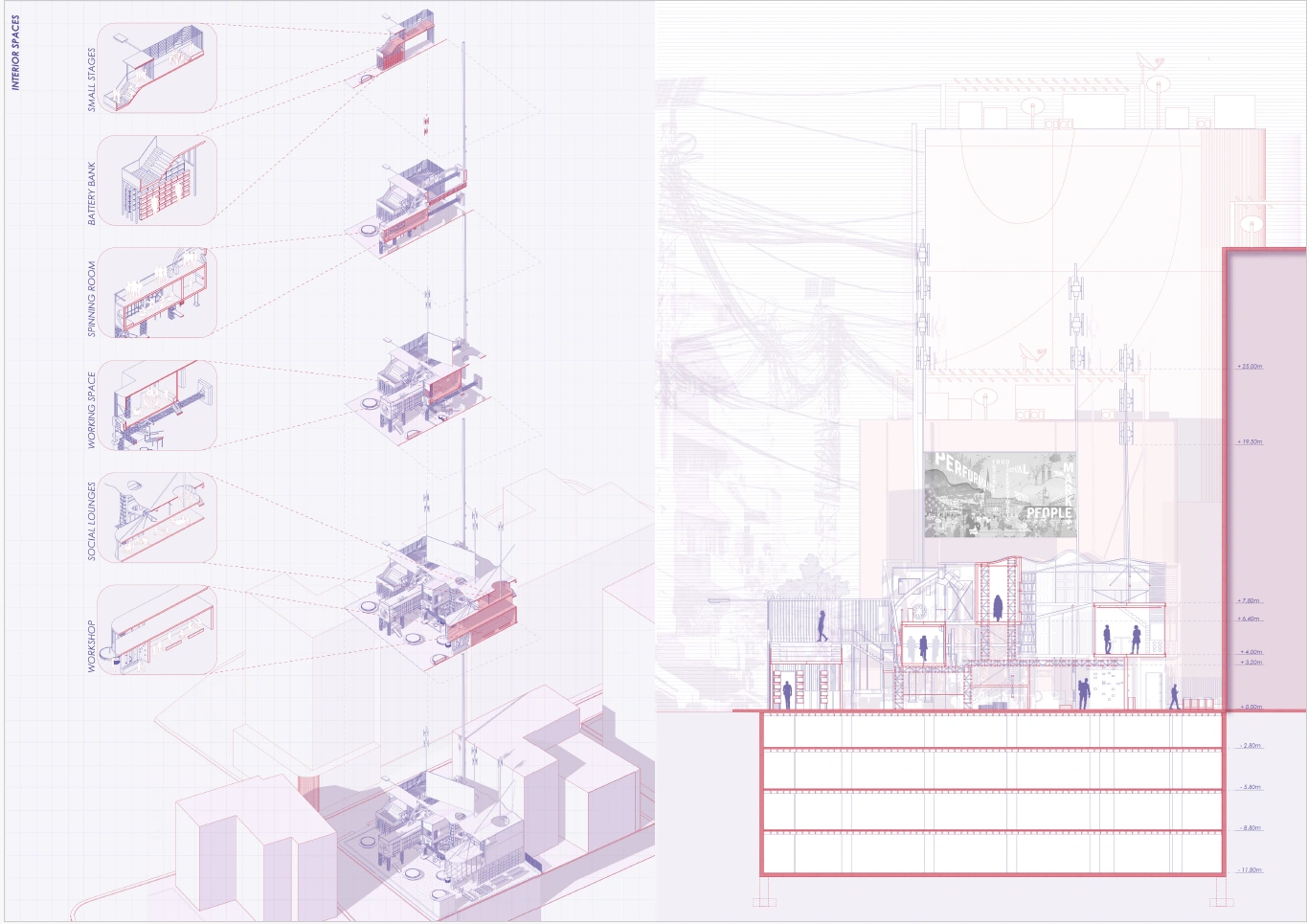
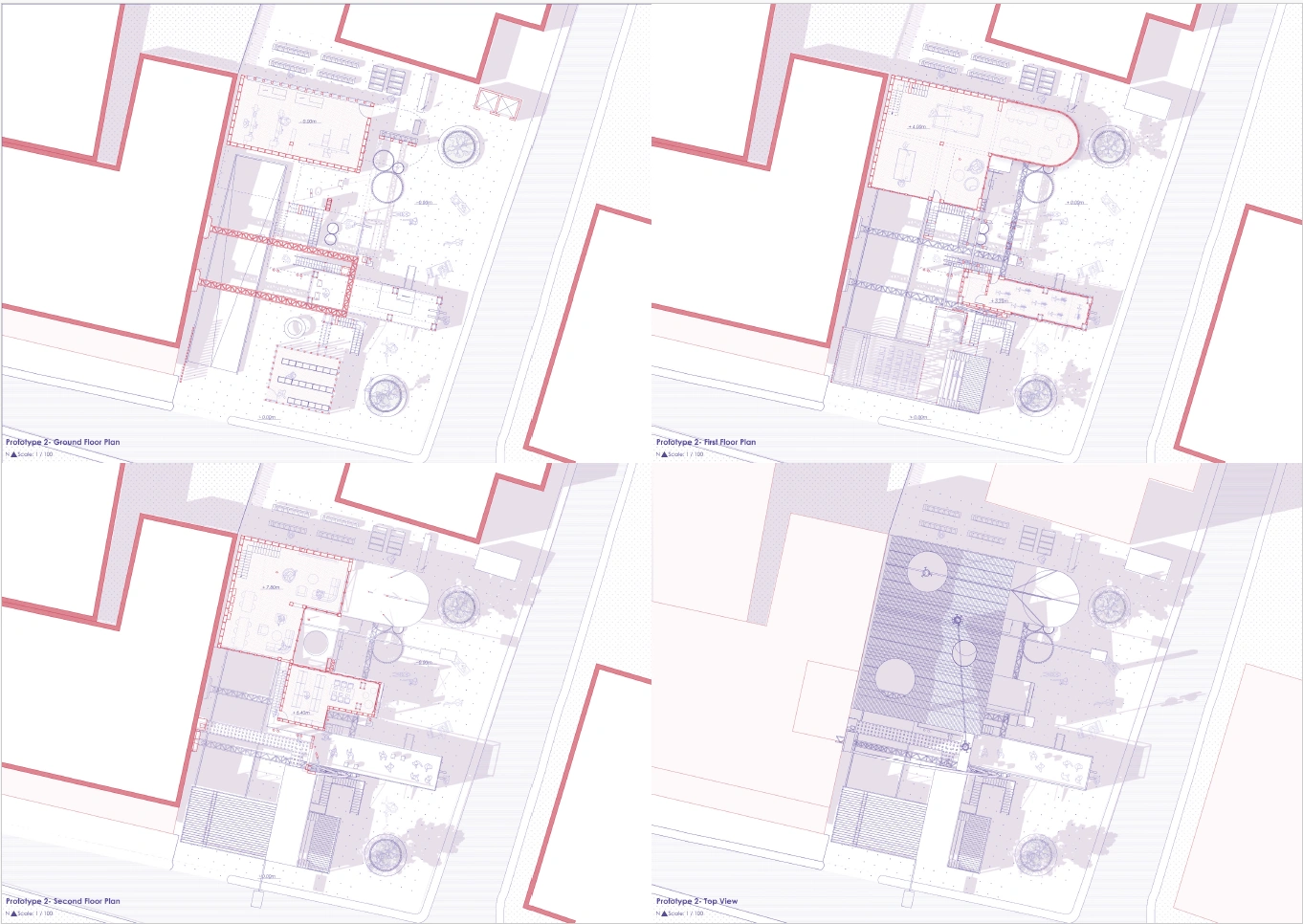
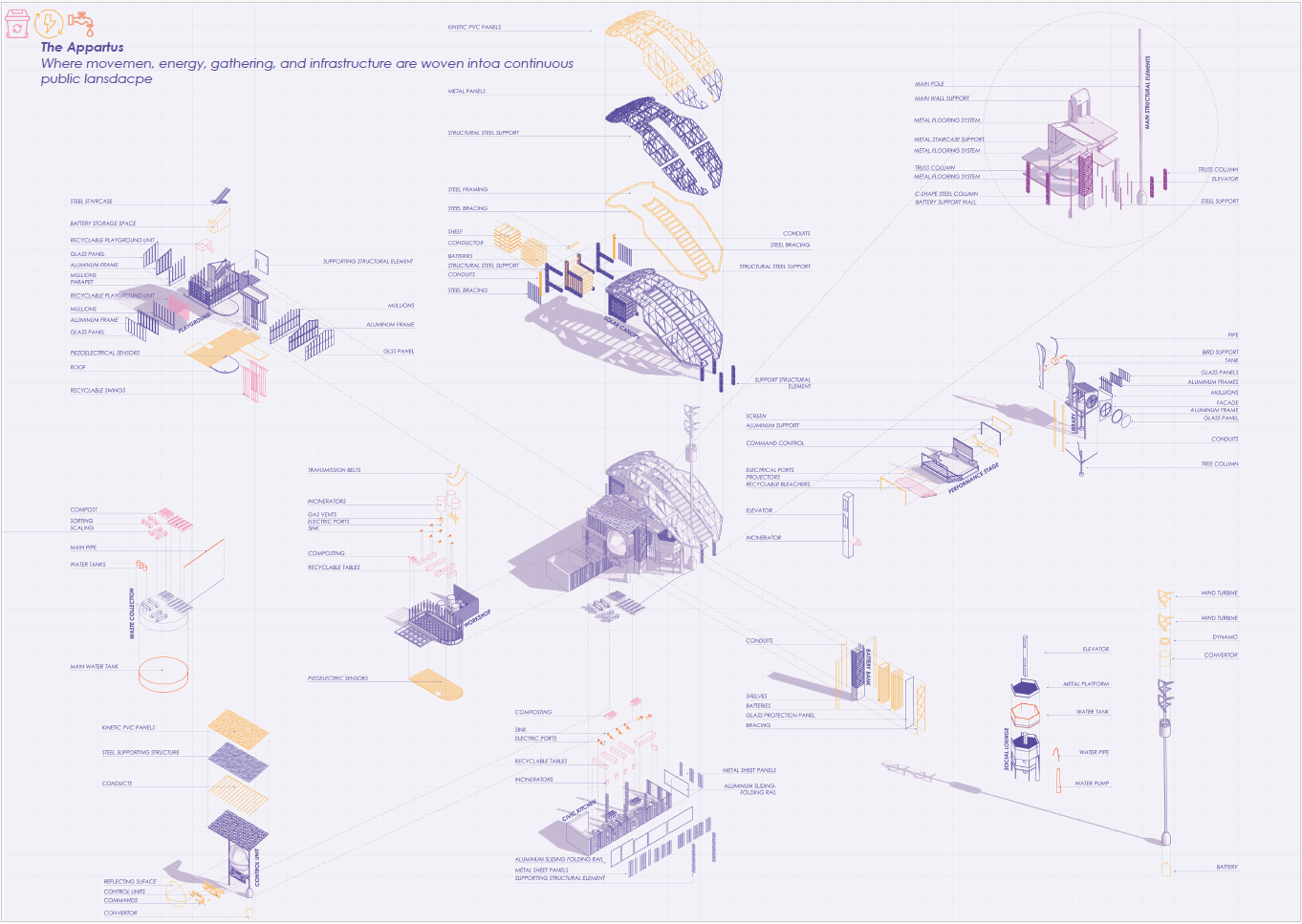
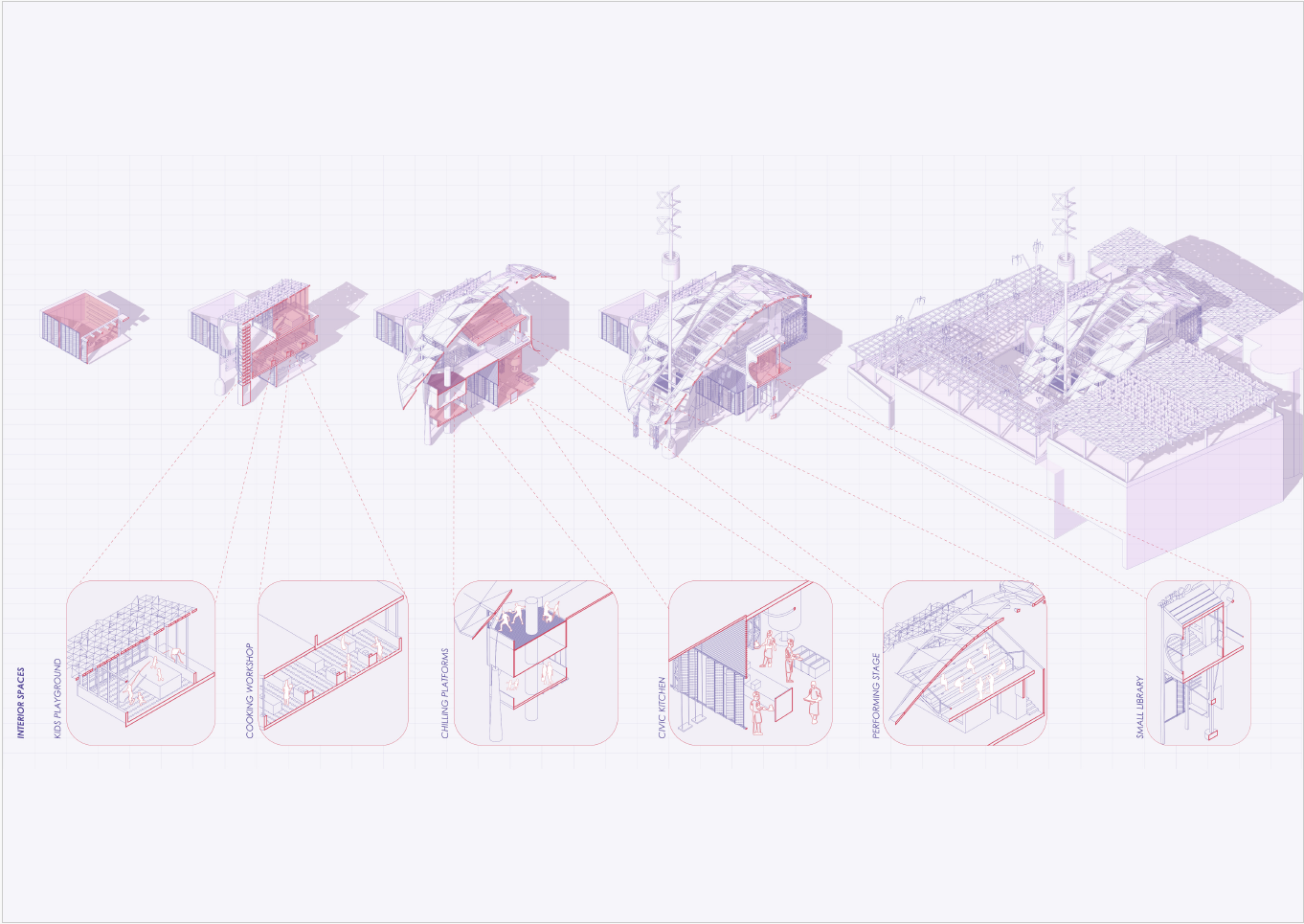
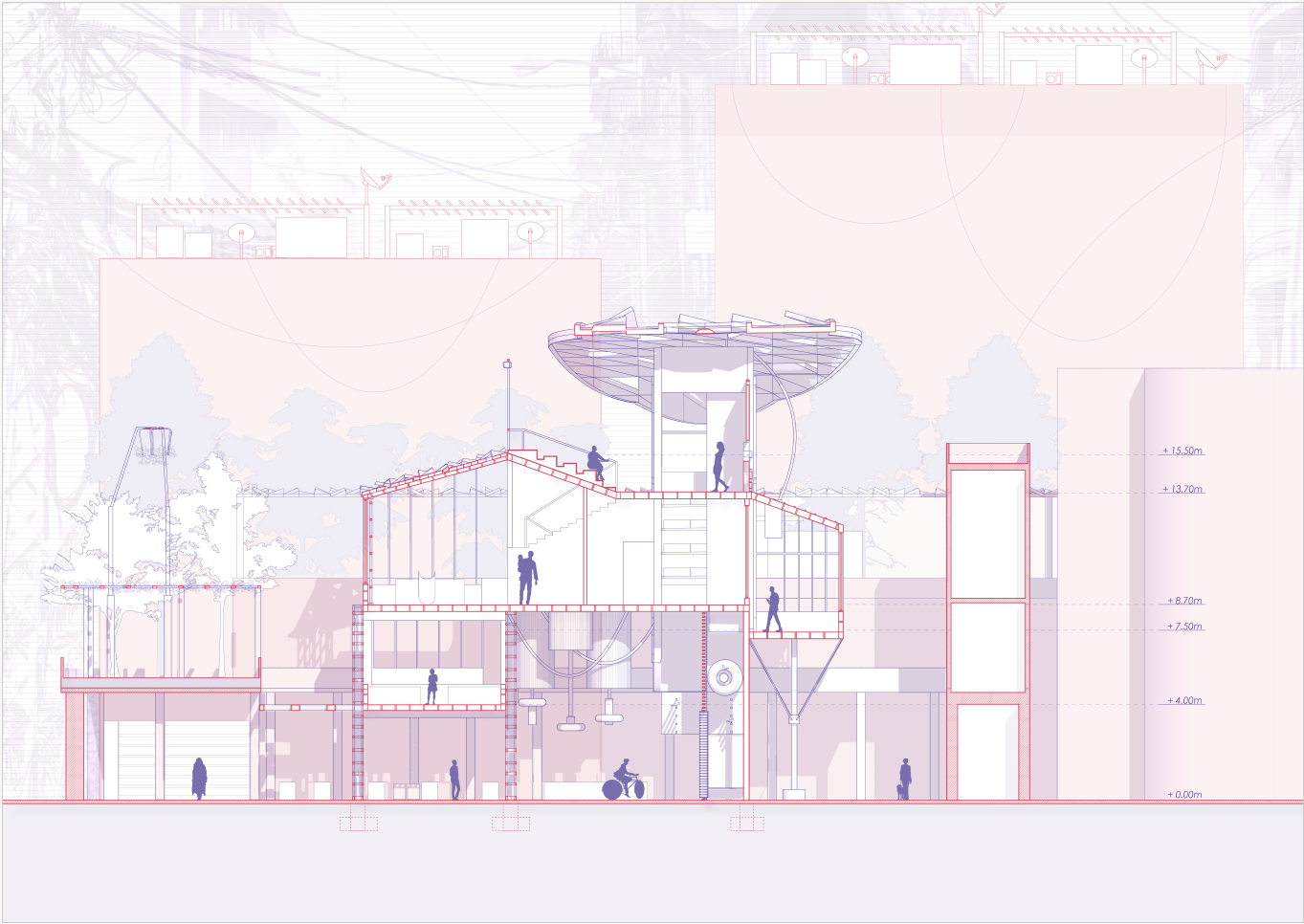
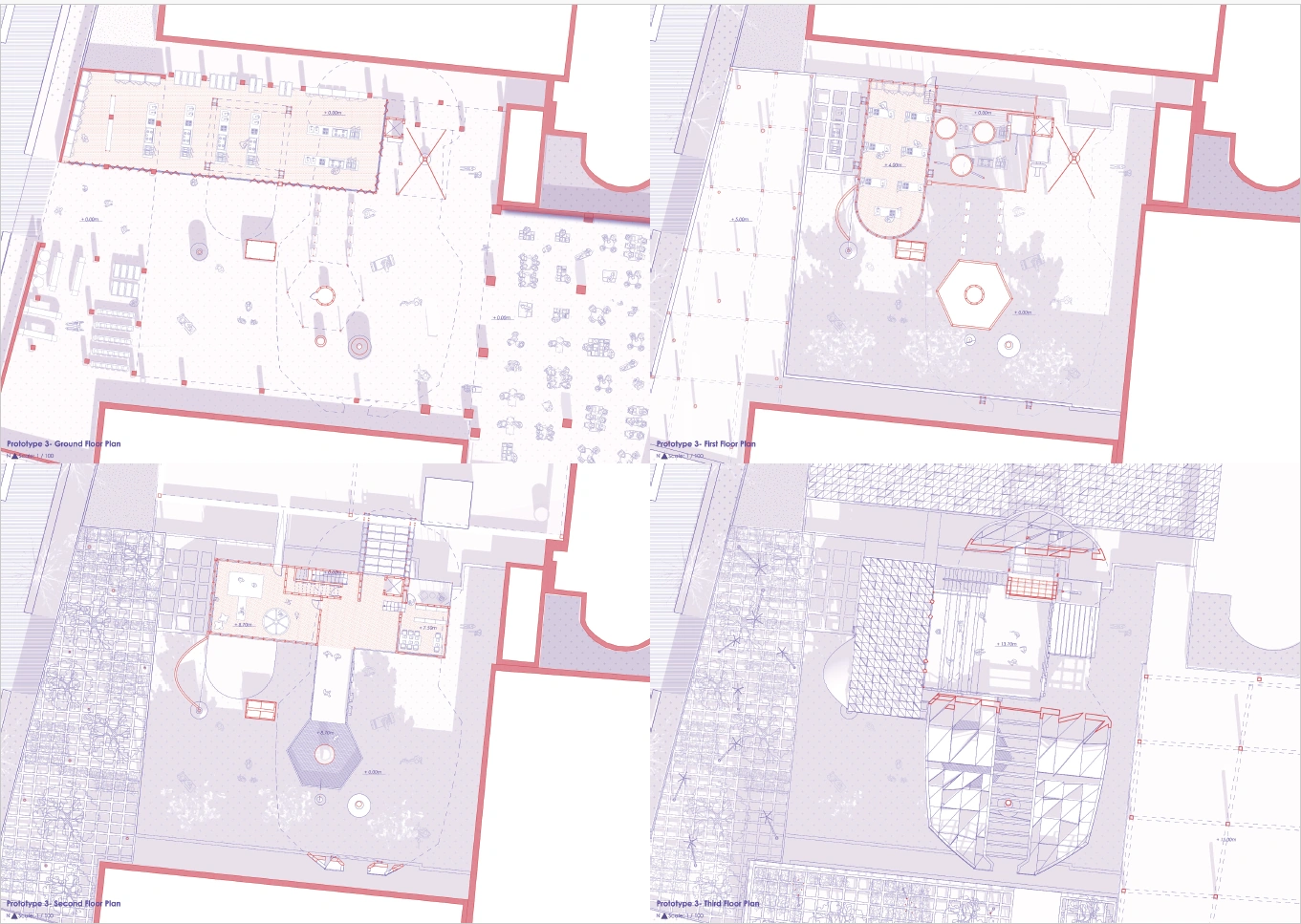
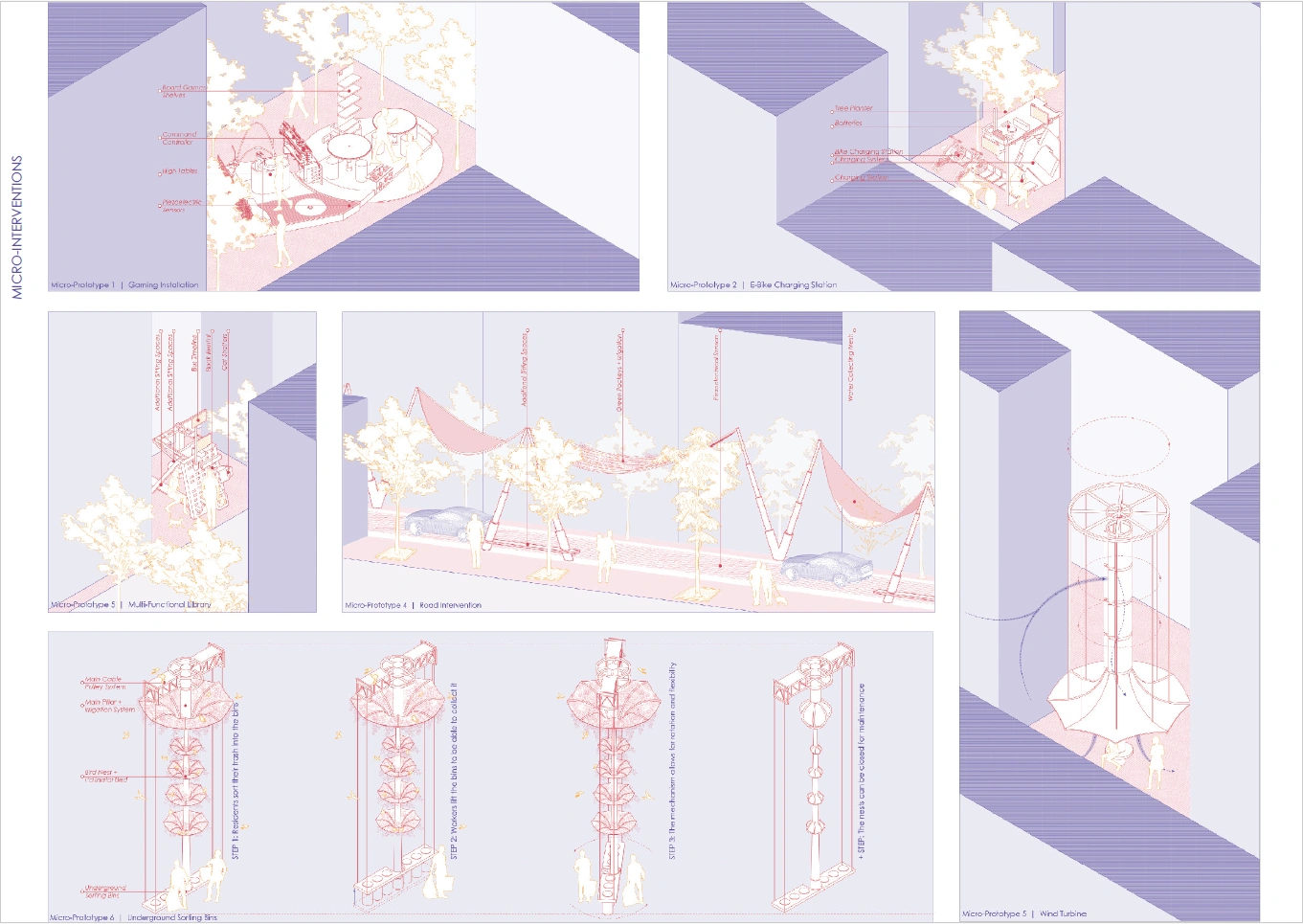
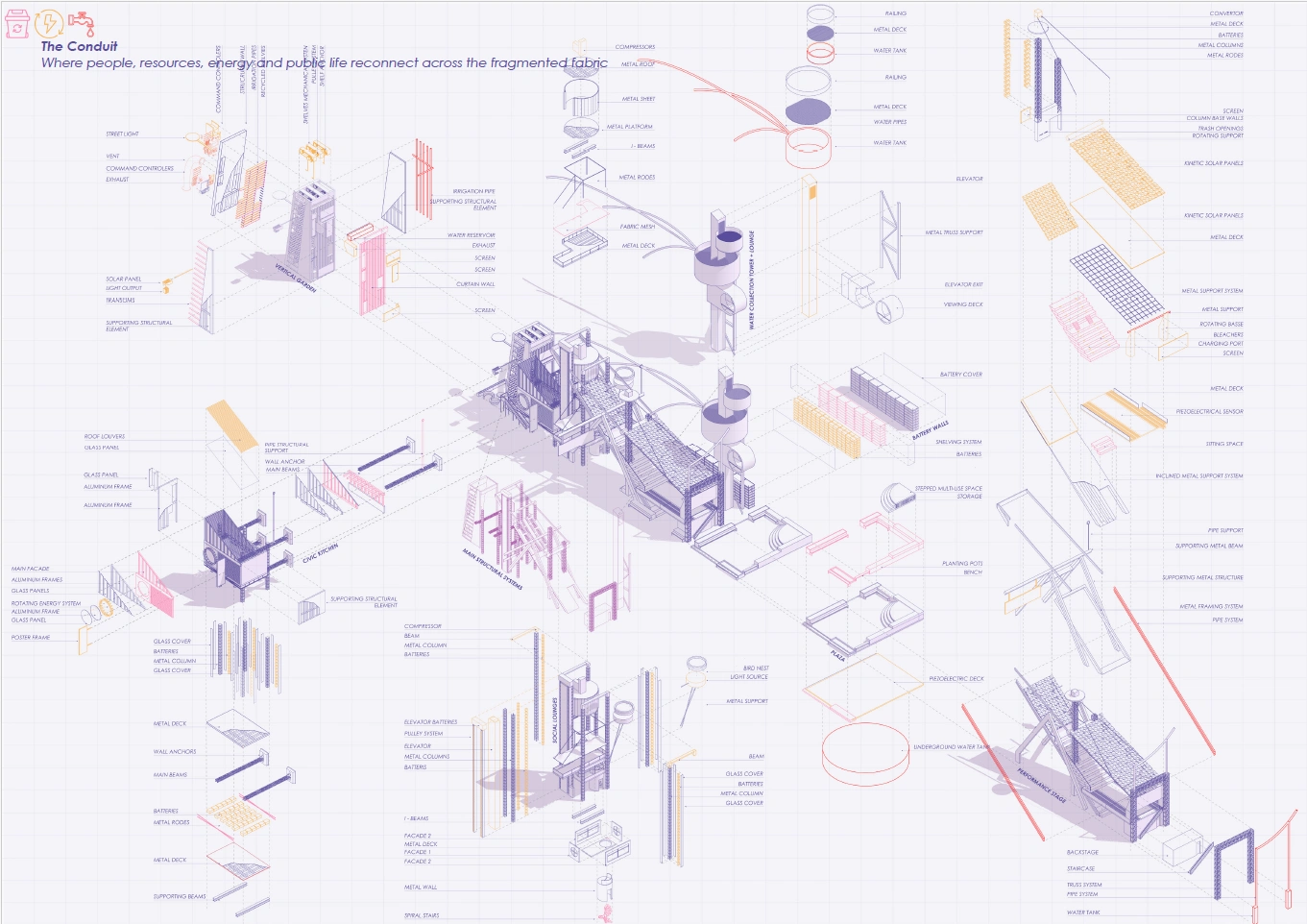
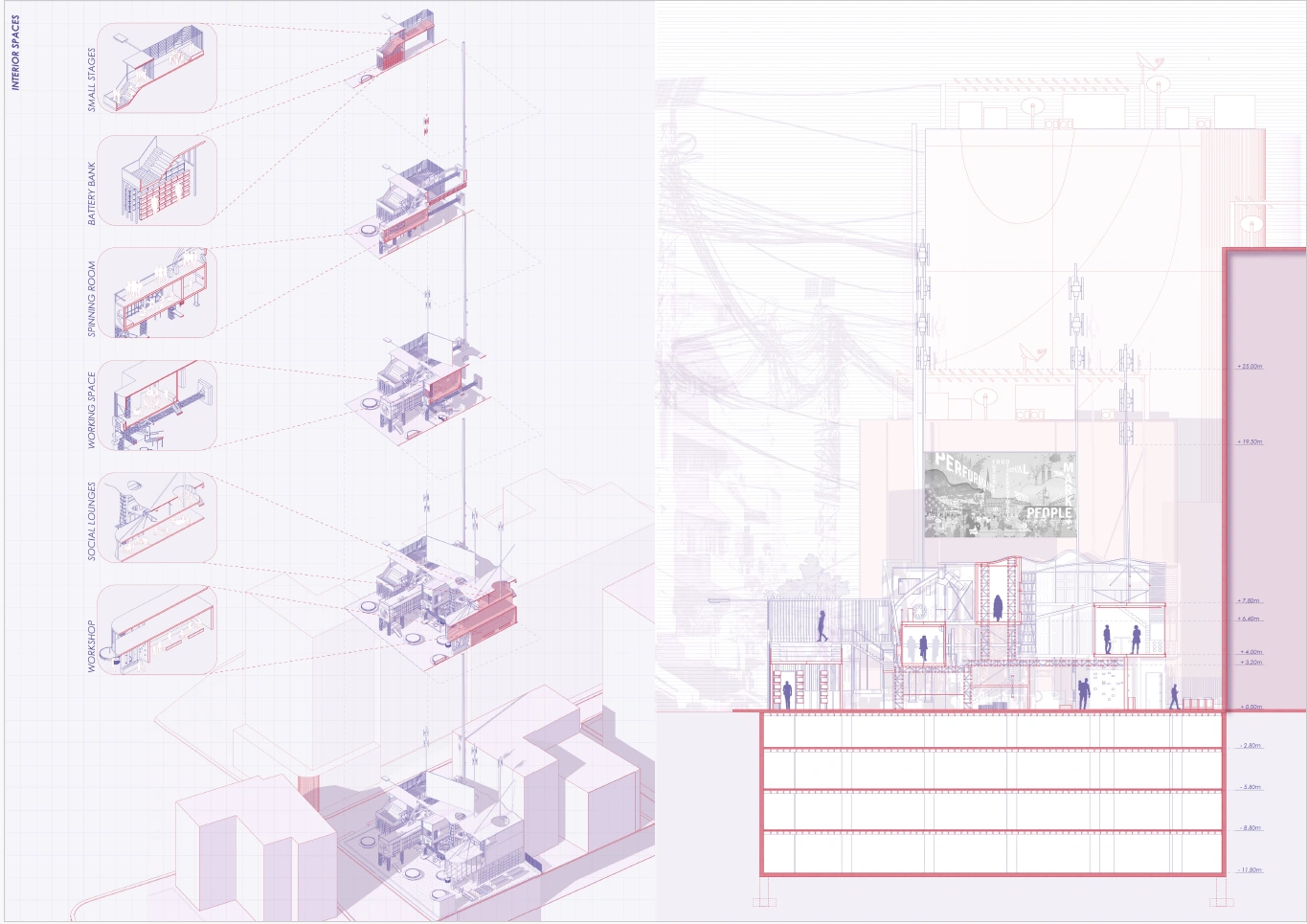
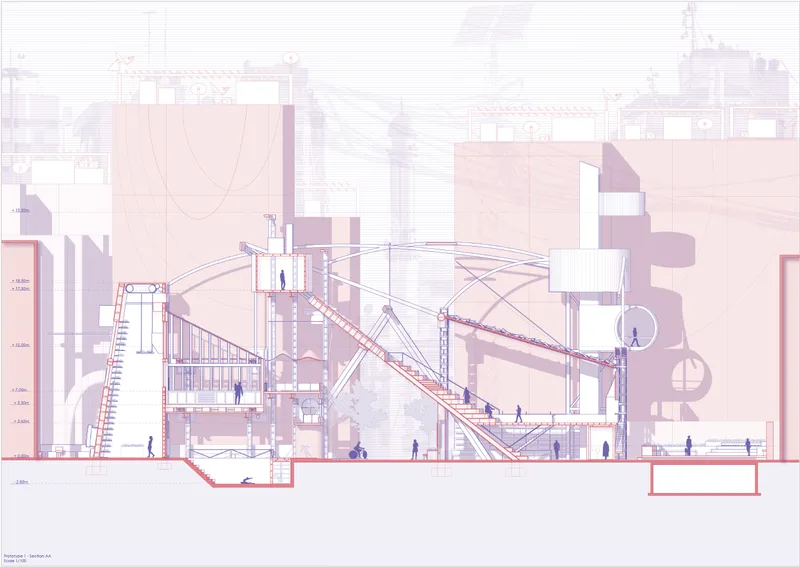
This thesis proposes INFRA-TECTURE as a framework for reimagining infrastructure beyond centralized authority and market-driven provision. Rather than restoring failed systems or idealizing informality, INFRA-TECTURE positions architecture as an interface through which collective infrastructures can emerge. Architecture becomes a mediator, structuring material flows, civic agency, and shared space. By transforming everyday programs into civic-infrastructural nodes, the project explores how architecture can make visible, spatial, and collective the systems that already sustain the city. In a context of collapse, INFRA-TECTURE does not seek to rebuild what was lost, but to construct new forms of collective life.
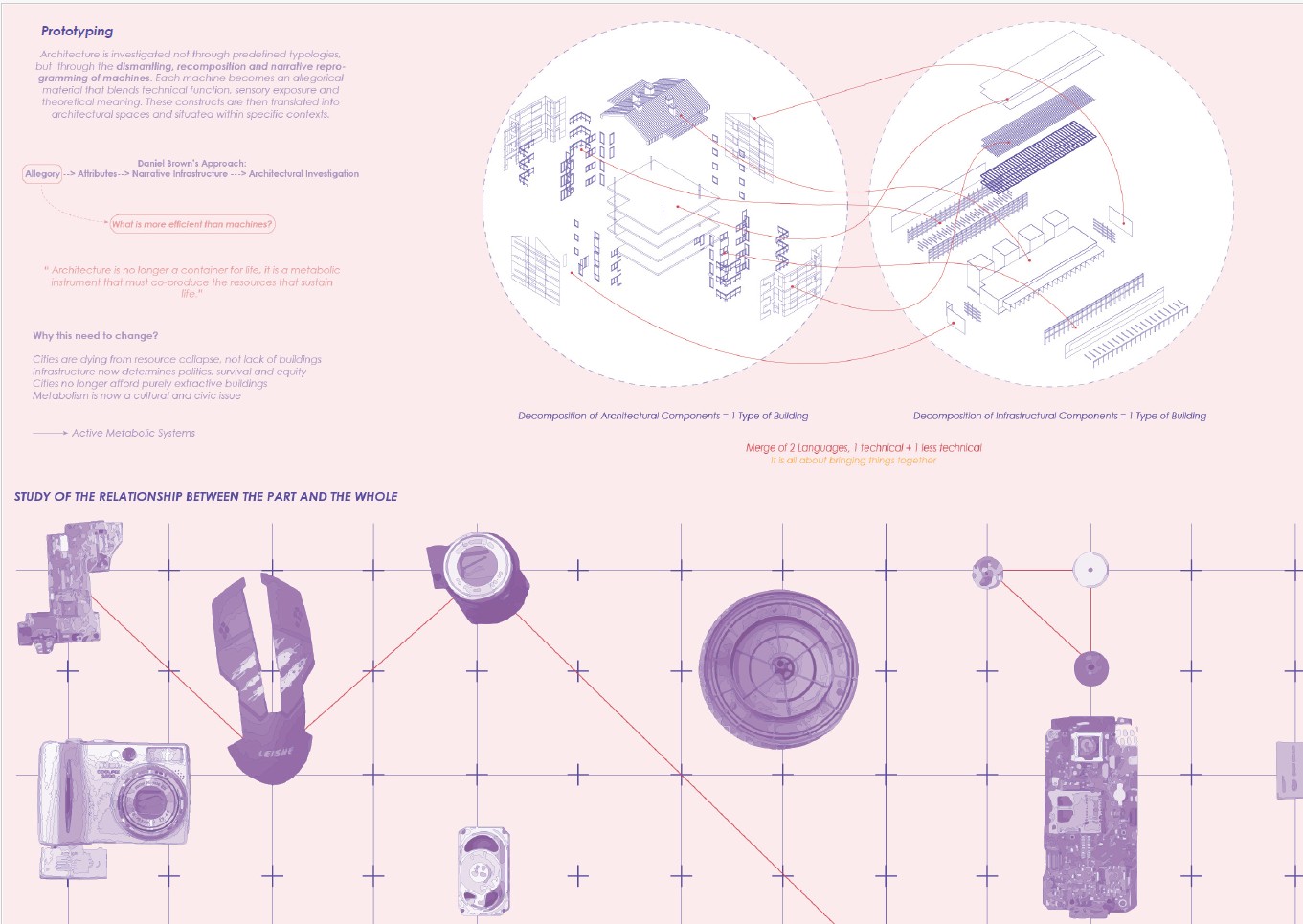
By presenting infrastructure as a basic and objective necessity, dominant definitions obscure its role as a spatial instrument of power. Infrastructure is not merely a set of systems beneath the city, it is a governing architecture that shapes daily life long before buildings do. This thesis departs from the neutrality implied by conventional definitions. It understands infrastructure as a relational condition: produced through social agreements, political priorities, and lived practices. To redefine infrastructure is therefore not a semantic exercise, but a political and architectural act.
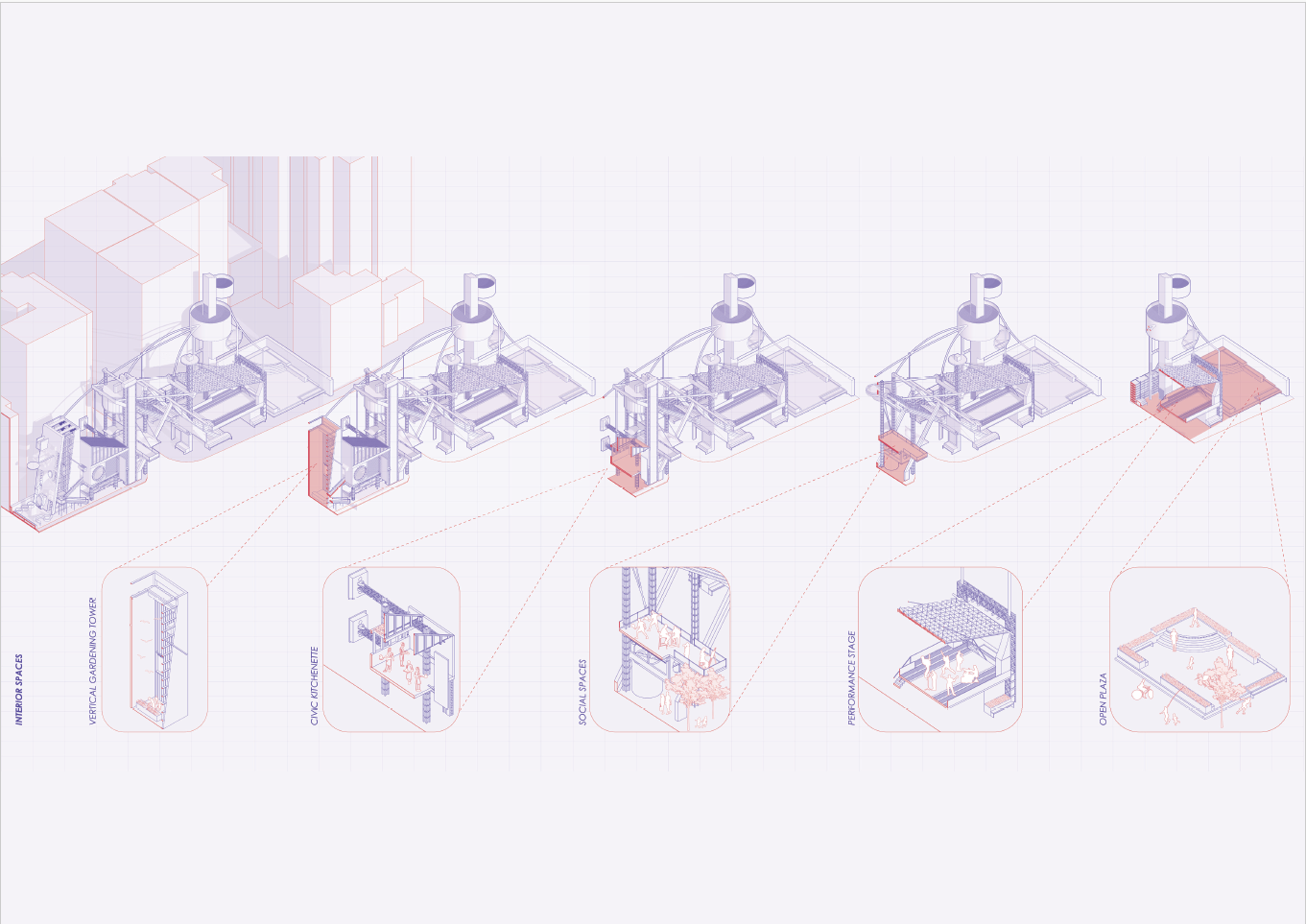
Infrastructure ceased to be debated as a civic right and instead became managed as a logistical system. Failure was no longer understood as political neglect, but as operational inefficiency. Maintenance, once a collective responsibility, was outsourced or deferred, producing conditions of slow infrastructural decay (Star, 1999). As systems fractured, responsibility shifted downward, from institutions to individuals, forcing citizens to compensate for infrastructural gaps through private expenditure and informal networks. This shift marks the moment when infrastructure ceased to function as a shared civic system and instead became a mechanism of differentiation. It produced uneven geographies of connection, risk, and abandonment, redefining urban life through access rather than rights. Understanding this transformation is essential, as it reveals that infrastructural collapse is not an anomaly, but the logical outcome of a system that prioritizes market logic over collective life.